

What is pop-art?
- Show All
- Established
- Discoveries
- Show All
Artworks Related to Pop art
Andy Warhol
Private Listing
Limited Edition Print
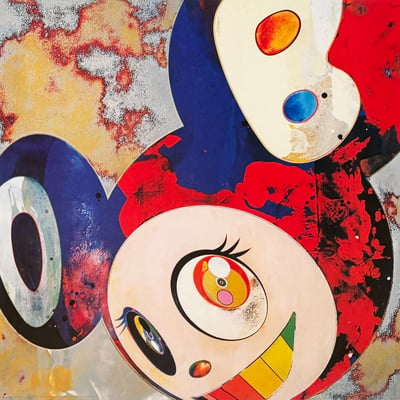
Takashi Murakami
And Then, And Then, And Then, And Then, And Then (Gargle Glop), 2006
Limited Edition Print
Offset Print
USD 3,000
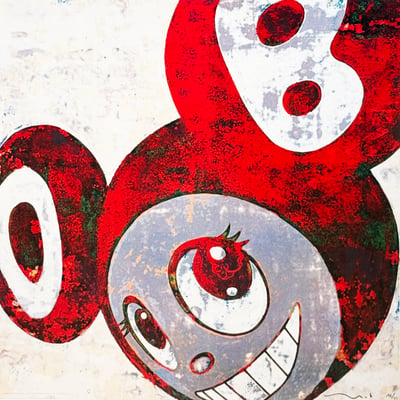
Takashi Murakami
And then, and then, and then, and then, and then, 2006
Limited Edition Print
Offset Print
USD 3,000
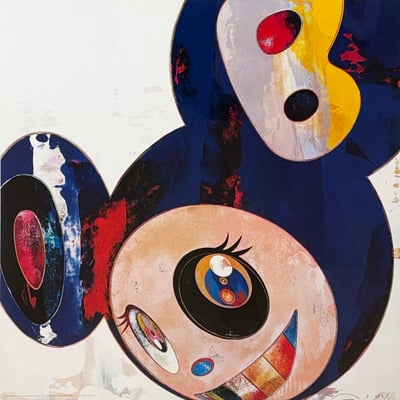
Takashi Murakami
And then, and then and then and then / Hello, 2006
Limited Edition Print
Offset Print
USD 3,000
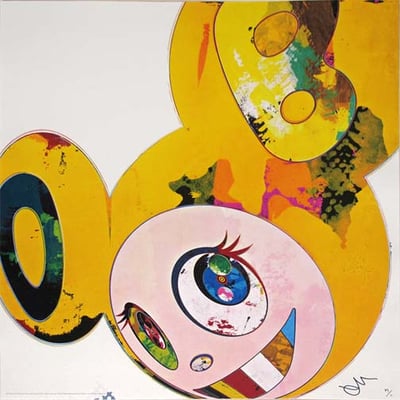
Takashi Murakami
And Then X5 Yellow Universe, 2013
Limited Edition Print
Offset Print
USD 3,000
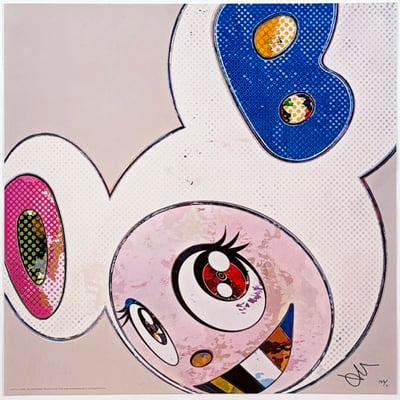
Takashi Murakami
And Then x 6 (White: The Superflat Method Pink and Blue Ears), 2013
Limited Edition Print
Offset Print
USD 3,125
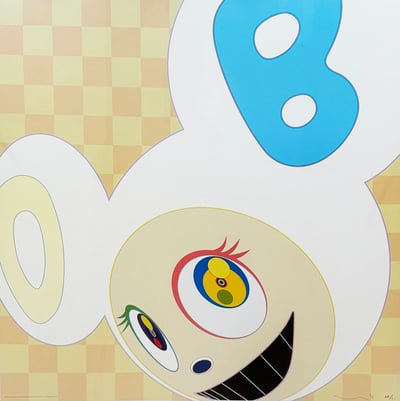
Takashi Murakami
And Then Ichimatsu Pattern, 2006
Limited Edition Print
Offset Print
USD 3,125
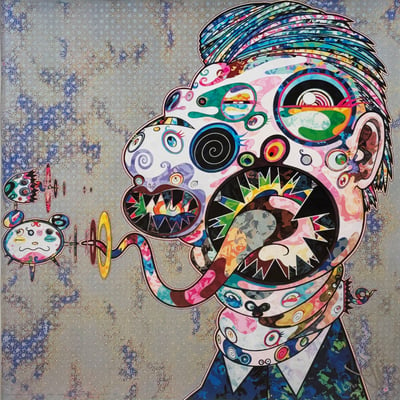
Takashi Murakami
An Homage to Francis Bacon (Study for Head of George Dyer, Moire), 2016
Limited Edition Print
Offset Print
USD 3,725
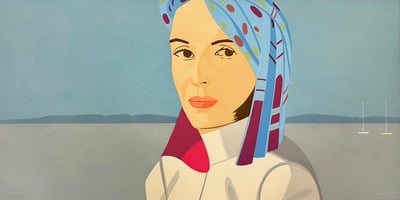
Alex Katz
Ada With Blue Hat, 2004
Limited Edition Print
Etching and Aquatint
Inquire For Price

Alex Katz
Ada 9 from Ada Portfolio 2, 2022
Limited Edition Print
Silkscreen
USD 9,700
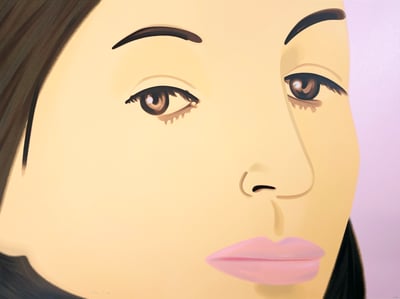
Alex Katz
Ada 8 from Ada Portfolio 2, 2022
Limited Edition Print
Silkscreen
USD 18,000
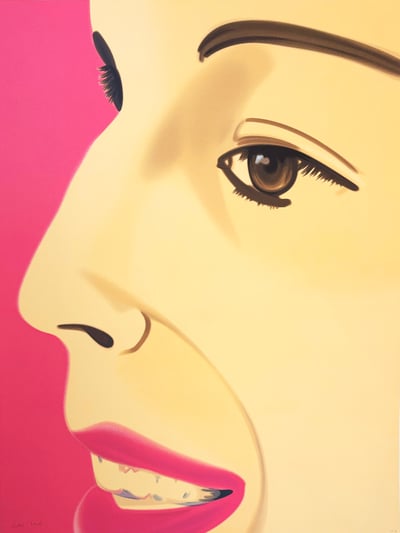
Alex Katz
Ada 7 from Ada Portfolio 2, 2022
Limited Edition Print
Silkscreen
USD 18,000
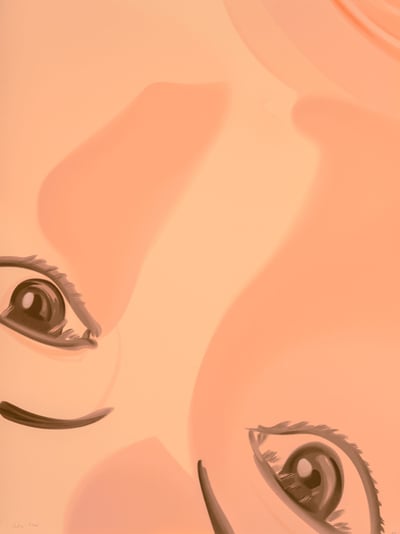
Alex Katz
Ada 6 from Ada Portfolio 1, 2022
Limited Edition Print
Silkscreen
USD 12,000
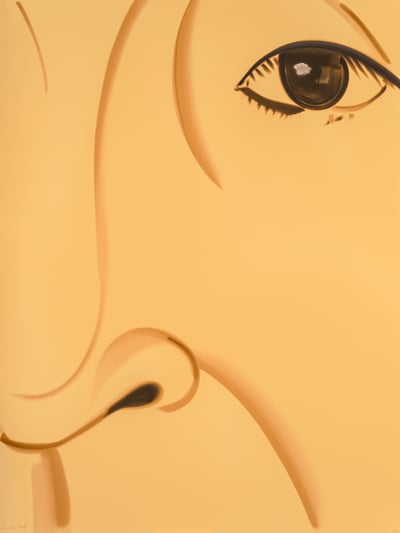
Alex Katz
Ada 5 from Ada Portfolio 2, 2022
Limited Edition Print
Silkscreen
USD 9,700
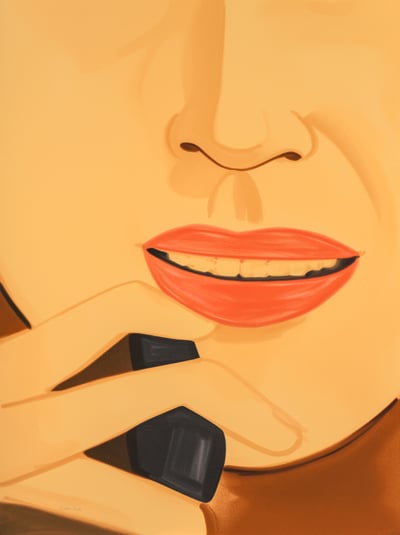
Alex Katz
Ada 4 from Ada Portfolio 1, 2022
Limited Edition Print
Silkscreen
USD 12,000

Alex Katz
Ada 3 from Ada Portfolio 1, 2022
Limited Edition Print
Silkscreen
USD 9,700
Related Articles
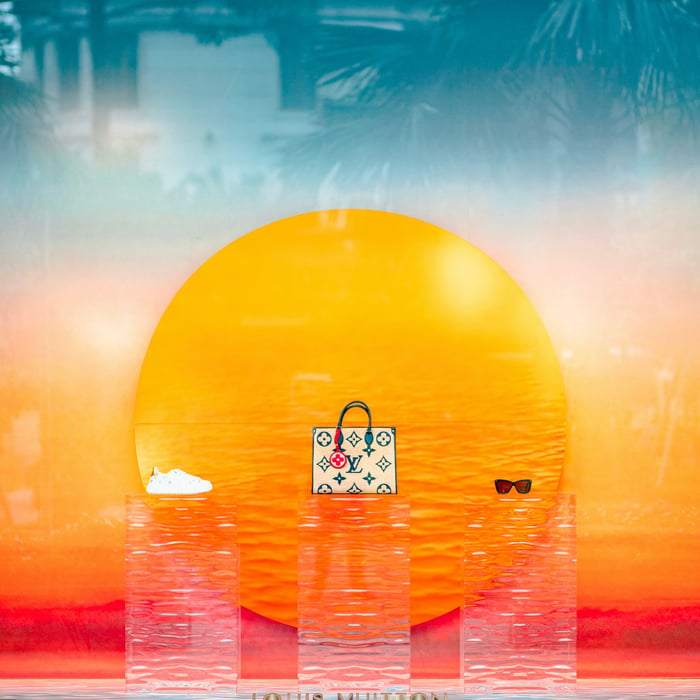
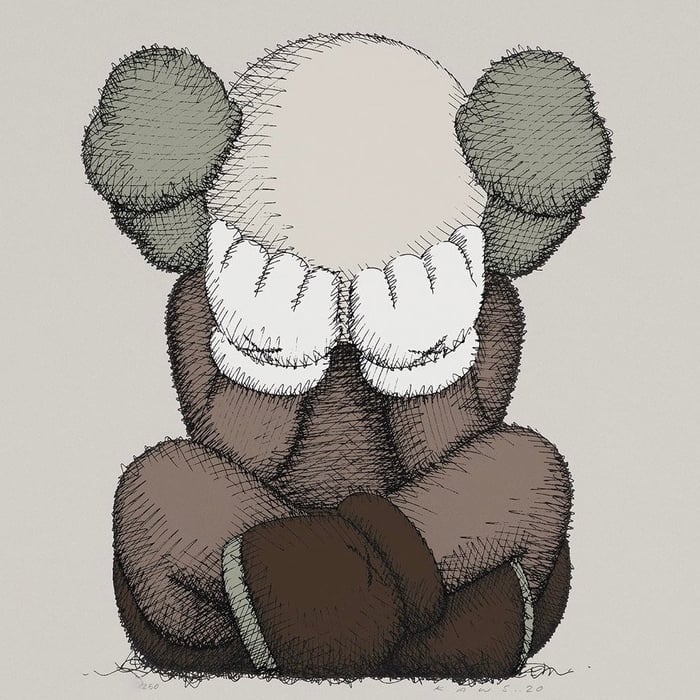


A watermark is an image or pattern embedded into a sheet of paper during the papermaking process. Each papermaker includes a faint trademark, which becomes visible when the paper is held up to a light source. Watermarks serve as a mark of authenticity and are used for identification, often carrying historical significance in determining the origin and age of the paper.
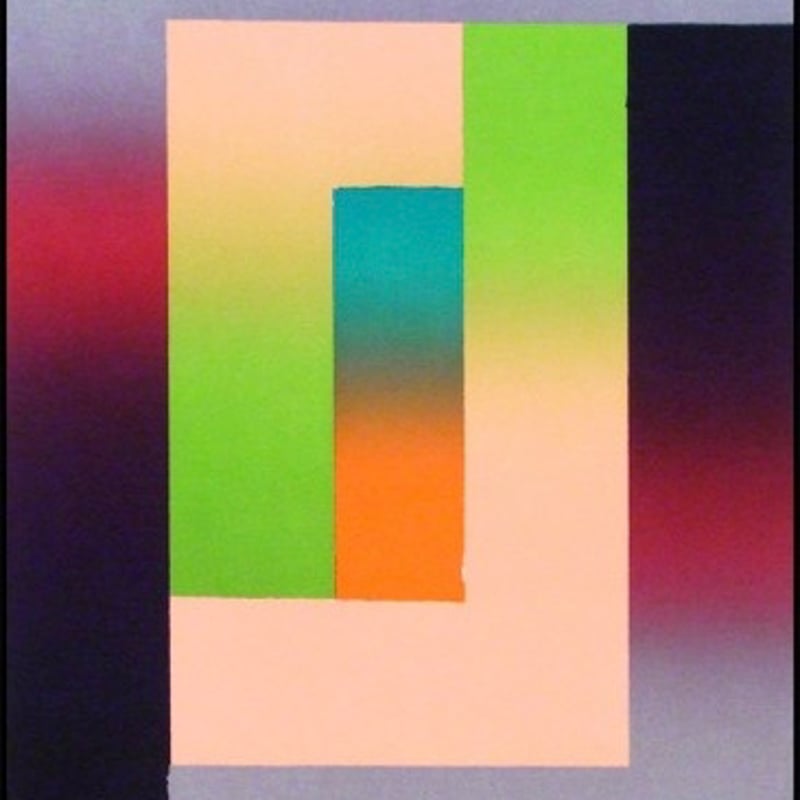
Entropy, in a broader sense, refers to the inevitable deterioration or decline of a society or system. In art, the concept was popularized by artist Robert Smithson in the 1960s. He used the term to critique what he saw as the static and overly simplified nature of contemporary minimalist art. Smithson's work often explored the idea of entropy as a force of chaos and decay, contrasting with the perceived order and purity of minimalist works.

Environmental art is a collective term that refers to a wide range of artistic practices and works that engage with historical and ecological themes. The term often encompasses ecological concerns, although it is not exclusively defined by them. Environmental art acknowledges and appreciates the early history of the environmental art movement, including works with activist themes and those celebrating the connection between nature and the artist through the use of natural materials.
Can't find your Answer?
Thank you! Your question has been sent — we'll get back to you shortly.
