

What is pop-art?
- Show All
- Established
- Discoveries
- Show All
Artworks Related to Pop art
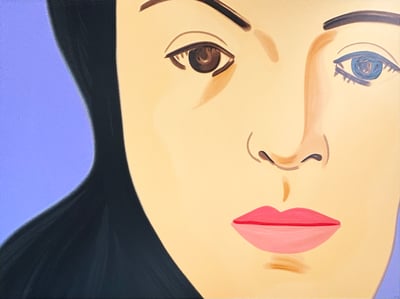
Alex Katz
Ada 2 from Ada Portfolio 1, 2022
Limited Edition Print
Silkscreen
USD 24,000

Alex Katz
Ada 10 from Ada Portfolio 2, 2022
Limited Edition Print
Silkscreen
USD 15,750

Alex Katz
Ada 1 from Ada Portfolio 1, 2022
Limited Edition Print
Silkscreen
USD 29,500
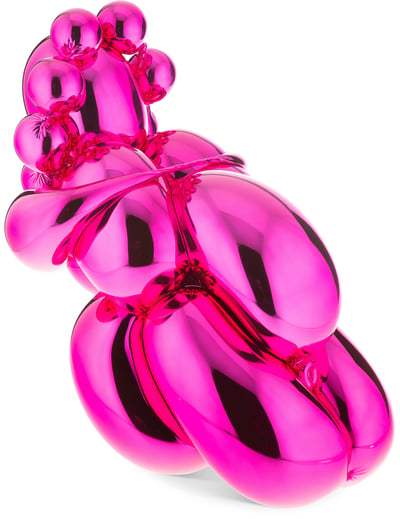
Jeff Koons
Balloon Venus Dom Perignon, 2013
Sculpture / Object
Resin
USD 50,000 - 70,000
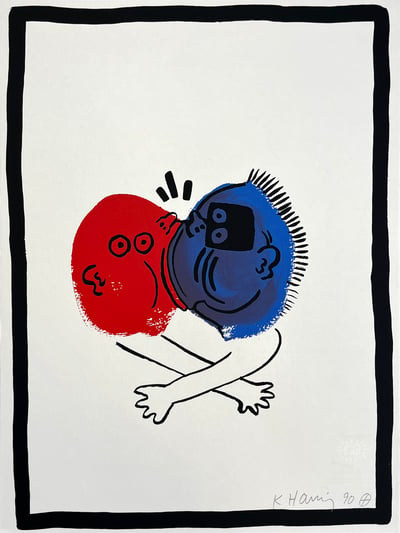
Keith Haring
Story of Red and Blue #19, 1989
Limited Edition Print
Lithograph
USD 6,150
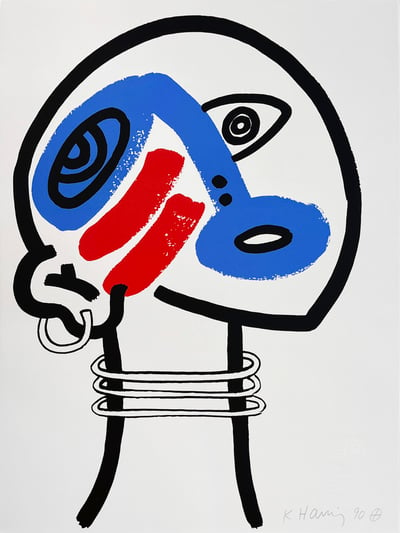
Keith Haring
Story of Red and Blue #17, 1989
Limited Edition Print
Lithograph
USD 5,500
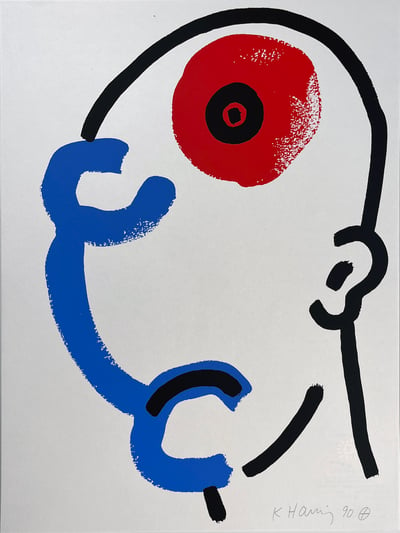
Keith Haring
Story of Red and Blue #13, 1989
Limited Edition Print
Lithograph
USD 4,950
Takashi Murakami
Private Listing
Painting
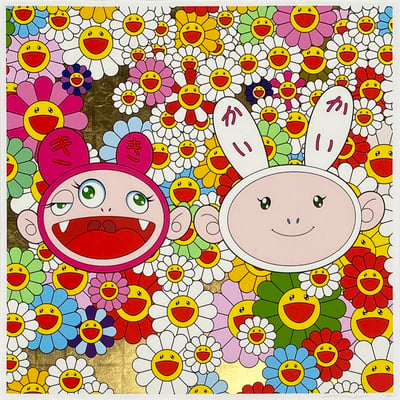
Takashi Murakami
Kai Kai Kiki: Lots of Fun, 2009
Limited Edition Print
Screen-print
USD 14,500
KAWS
Private Listing
Limited Edition Print
KAWS
Private Listing
Limited Edition Print
Damien Hirst
Private Listing
Painting
Damien Hirst
Private Listing
Painting
Damien Hirst
Private Listing
Painting
Keith Haring
Private Listing
Painting
Keith Haring
Private Listing
Drawing / Watercolor
Related Articles


A print proof refers to any test impressions made from a printing plate or block to check the image quality before the final print is completed. These proofs are used as quality checks to ensure that the details and alignment are correct. Different types of proofs, such as artist's proofs or trial proofs, serve specific purposes during the printmaking process.
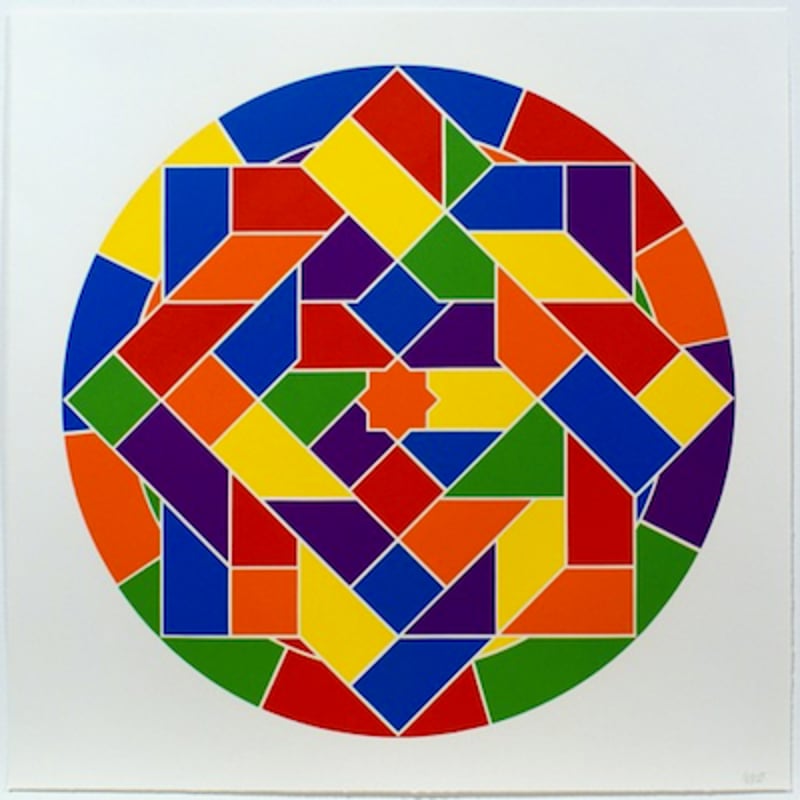
Generative art refers to art that is wholly or partly created through an autonomous system. This system can be independent or non-human, capable of determining features that would otherwise be decided by the artist. The generative system can act as the creator or as a collaborator with the artist. Generative art often refers to works generated algorithmically by computers, where the system plays a significant role in the creation process.

A marker is a drawing tool filled with colorful inks that dry quickly. Markers come in various sizes and use different colorants, such as ink, dye, or paint. They are available with different tip styles and produce smooth marks with sharp edges, making them ideal for a wide range of artistic and design applications.
Can't find your Answer?
Thank you! Your question has been sent — we'll get back to you shortly.
