

What is pop-art?
- Show All
- Established
- Discoveries
- Show All
Artworks Related to Pop art

Red Grooms
Dali Salad, 1980
Limited Edition Print
Mixed Media
USD 5,625

Andy Warhol
Mick Jagger (F & S II.145), 1975
Limited Edition Print
Screen-print
Inquire For Price
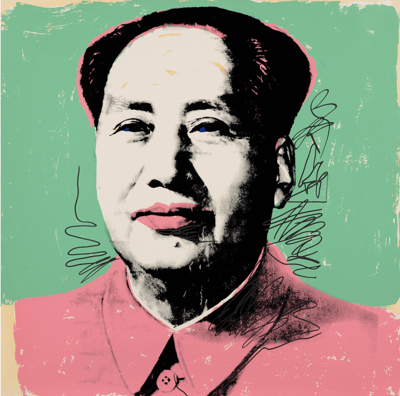
Andy Warhol
Mao (F & S II.95), 1972
Limited Edition Print
Screen-print
Inquire For Price
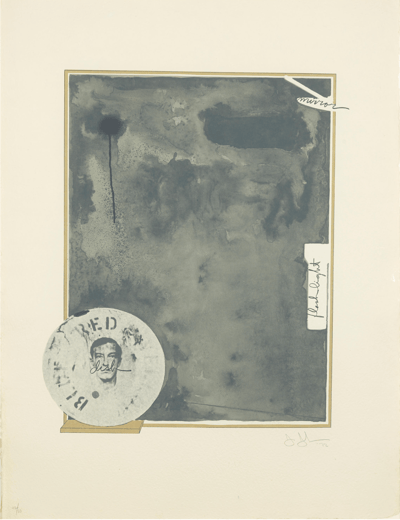
Jasper Johns
Souvenir I, 1972
Limited Edition Print
Lithograph
Inquire For Price

Jasper Johns
Zone, 1972
Limited Edition Print
Lithograph
Inquire For Price
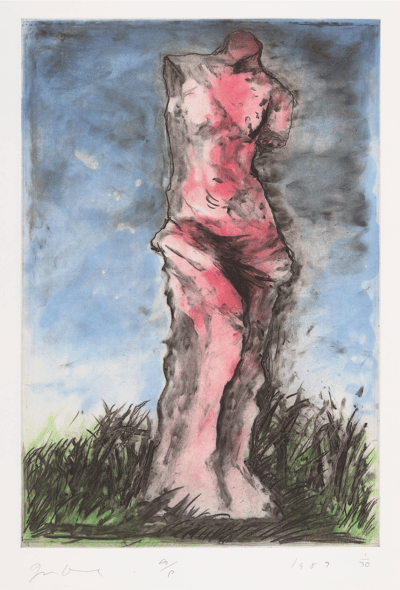
Jim Dine
Albertina Venus, 1989
Limited Edition Print
Etching and Aquatint
USD 3,625
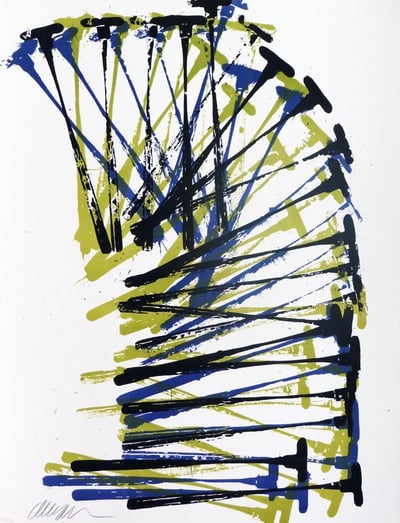
Fernandez Arman
Aesculapius hammer, 1977
Limited Edition Print
Lithograph
EUR 640
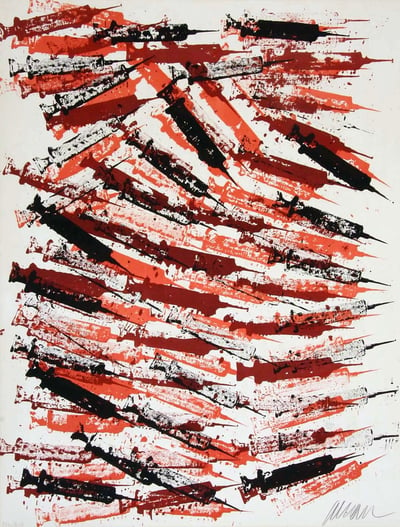
Fernandez Arman
Hypored, 1977
Limited Edition Print
Lithograph
EUR 640
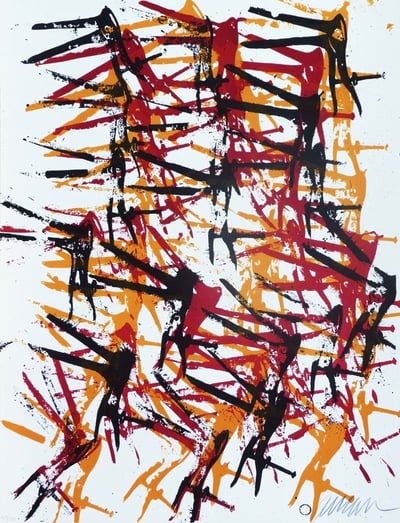
Fernandez Arman
Inside story, 1977
Limited Edition Print
Lithograph
EUR 640
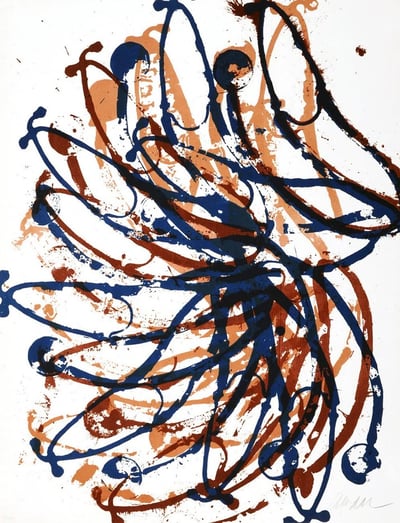
Fernandez Arman
Rien ne bat plus, 1977
Limited Edition Print
Lithograph
EUR 640
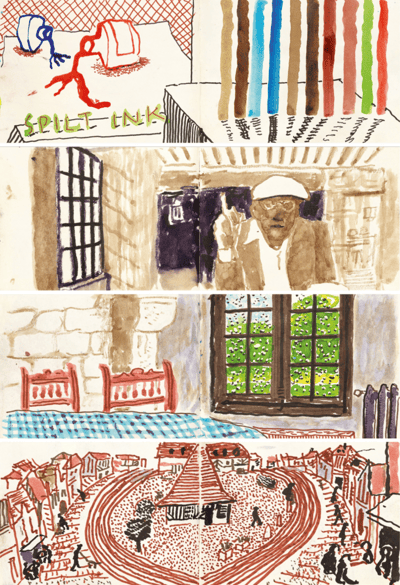
David Hockney
220 for 2020 (Complete Set), 2020
Limited Edition Print
Archival Print
USD 100,000 - 130,000
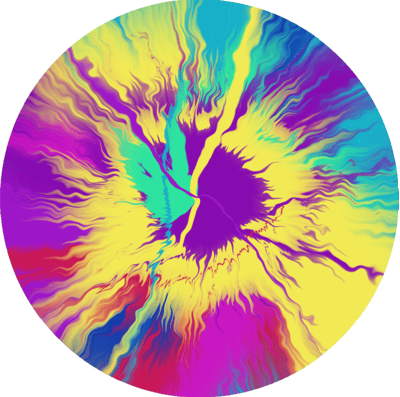
Damien Hirst
Beautiful, Strongest Possible, Yet Unknown Bursting River Painting, 2023
Painting
Mixed Media
USD 10,350
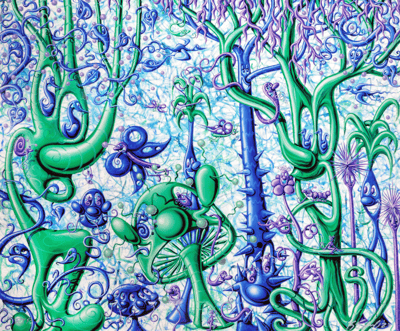
Kenny Scharf
Schrungle, 2022
Limited Edition Print
Archival Print
USD 6,150
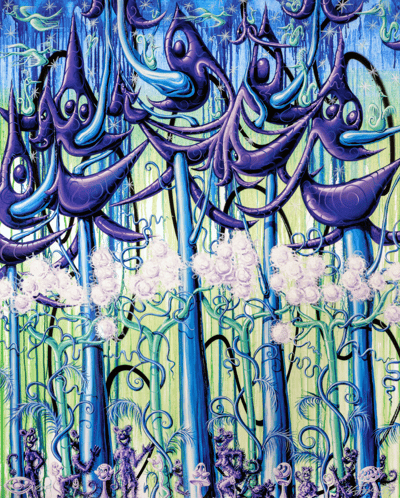
Kenny Scharf
Fuzzoodz, 2022
Limited Edition Print
Archival Print
USD 6,150
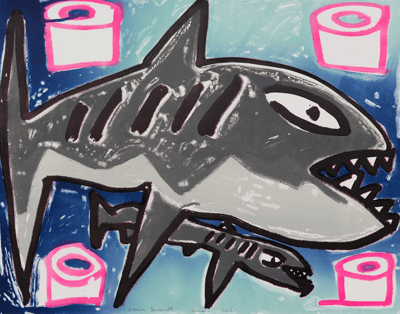
Katherine Bernhardt
Swimmers, 2022
Limited Edition Print
Lithograph
USD 3,490
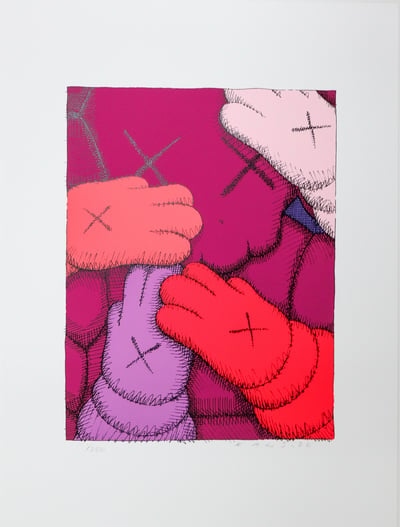
KAWS
Untitled IV (Urge), 2020
Limited Edition Print
Silkscreen
Inquire For Price
Related Articles

Systems Art refers to a group of artists who, during the late 1960s and early 1970s, used the frameworks of conceptualism and minimalism to create art that was responsive to its environment. Rejecting traditional art themes, they embraced aesthetic systems and experimented with diverse media. Systems Art often connected with contemporary political movements of the time, emphasizing the interrelationship between the artwork, its context, and the broader social and political environment.
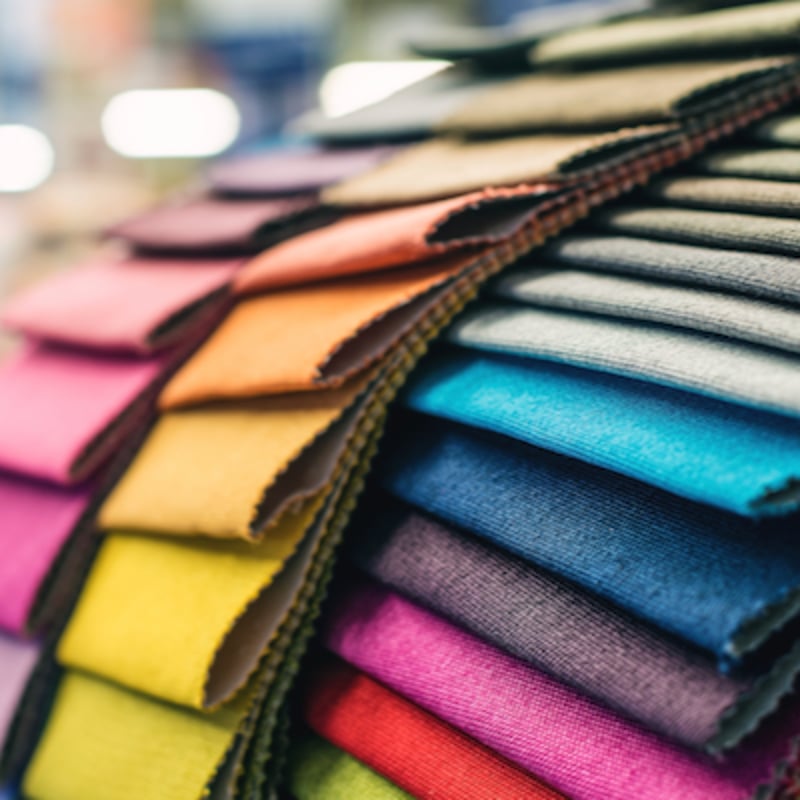
Textile refers to a flexible material made by weaving, felting, crocheting, knitting, or knotting long strands of natural or synthetic yarn or thread. Textile artists often create their own materials or use selected textiles in fabric art compositions, incorporating a wide range of textures and patterns.

A body print is an art technique where the artist uses their body as a printing plate. This can be done by smearing grease, margarine, or oil on the skin, hair, and clothes, then pressing the body against a surface like paper. The oiled imprint is then dusted with pigment. Unlike a self-portrait, a body print explores two competing concepts of identity rather than capturing a likeness of the artist. The method emphasizes the physicality of the body while questioning the boundaries between self-representation and abstraction.
Can't find your Answer?
Thank you! Your question has been sent — we'll get back to you shortly.
