

What is pop-art?
- Show All
- Established
- Discoveries
- Show All
Artworks Related to Pop art
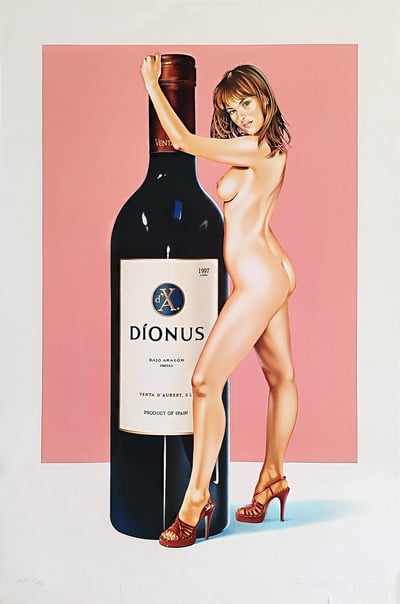
Mel Ramos
Dionus, 2002
Limited Edition Print
Silkscreen
EUR 2,375
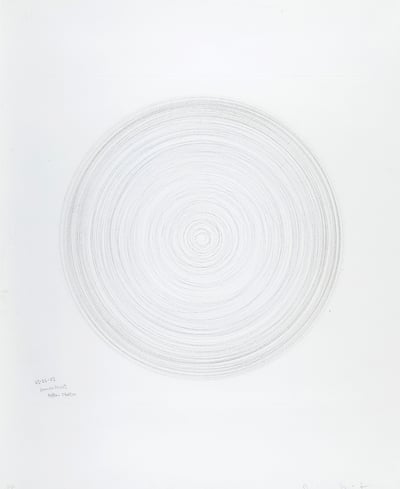
Damien Hirst
Helter Skelter, 2002
Limited Edition Print
Etching
EUR 2,900

Claes Oldenburg
London Knees, 1966
Sculpture / Object
Mixed Media
Currently Not Available
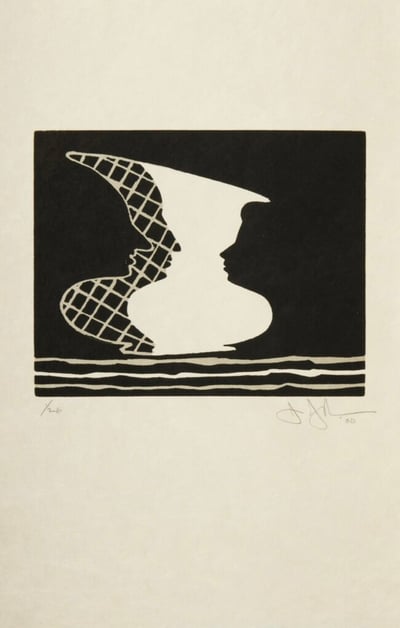
Jasper Johns
Sun on Six, 2000
Limited Edition Print
Linocut
Inquire For Price

Jasper Johns
Hinged Canvas, 1971
Limited Edition Print
Lithograph
USD 5,000

Jasper Johns
Untitled (from The Geldzahler Portfolio), 1998
Limited Edition Print
Etching
USD 6,300

Jasper Johns
Valentine, 2010
Limited Edition Print
Etching and Aquatint
Currently Not Available
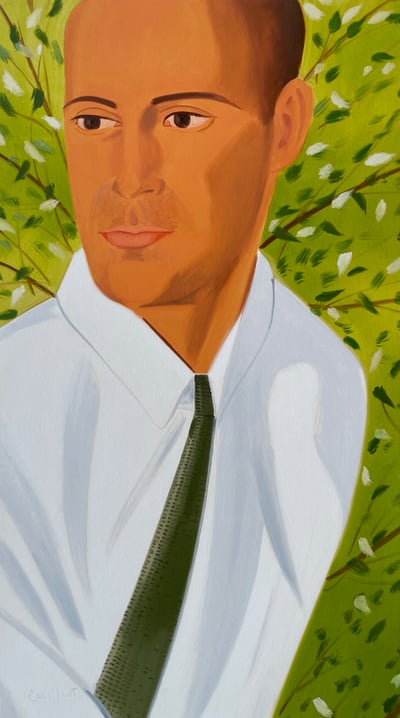
Alex Katz
White Shirt (Perry), 2021
Limited Edition Print
Pigment print
Inquire For Price

Alex Katz
White Shirt (Vincent 1), 2021
Limited Edition Print
Pigment print
Inquire For Price
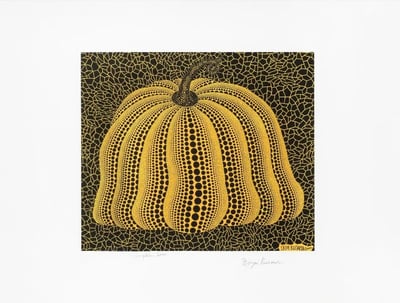
Yayoi Kusama
Pumpkin 2000 (Yellow), 2000
Limited Edition Print
Screen-print
Currently Not Available
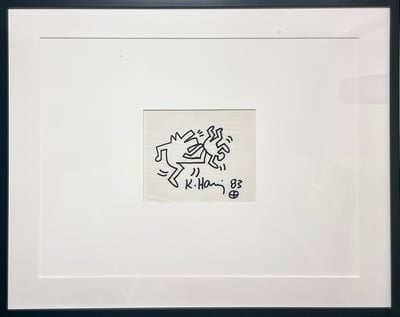
Keith Haring
Untitled (drawing), 1983
Drawing / Watercolor
Marker
Inquire For Price
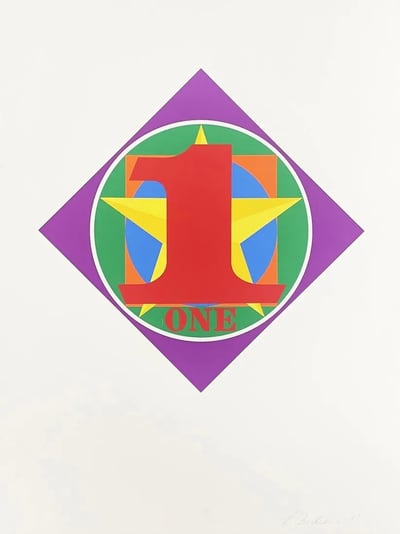
Robert Indiana
The Diamond One, 1983
Limited Edition Print
Serigraph
Inquire For Price
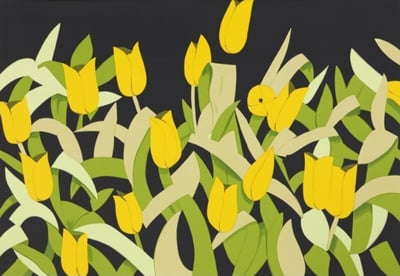
Alex Katz
Yellow Tulips, 2014
Limited Edition Print
Silkscreen
Inquire For Price

Alex Katz
White Roses, 2014
Limited Edition Print
Screen-print
EUR 55,000
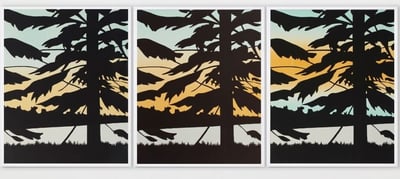
Alex Katz
Twilight (Portfolio of 3), 2009
Limited Edition Print
Aquatint
Inquire For Price
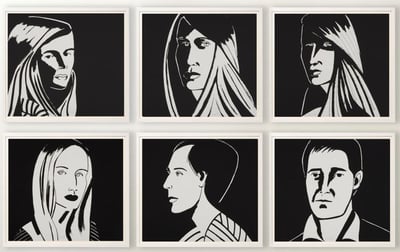
Alex Katz
Six Aquatints (Portfolio of 6), 2013
Limited Edition Print
Aquatint
Inquire For Price
Related Articles

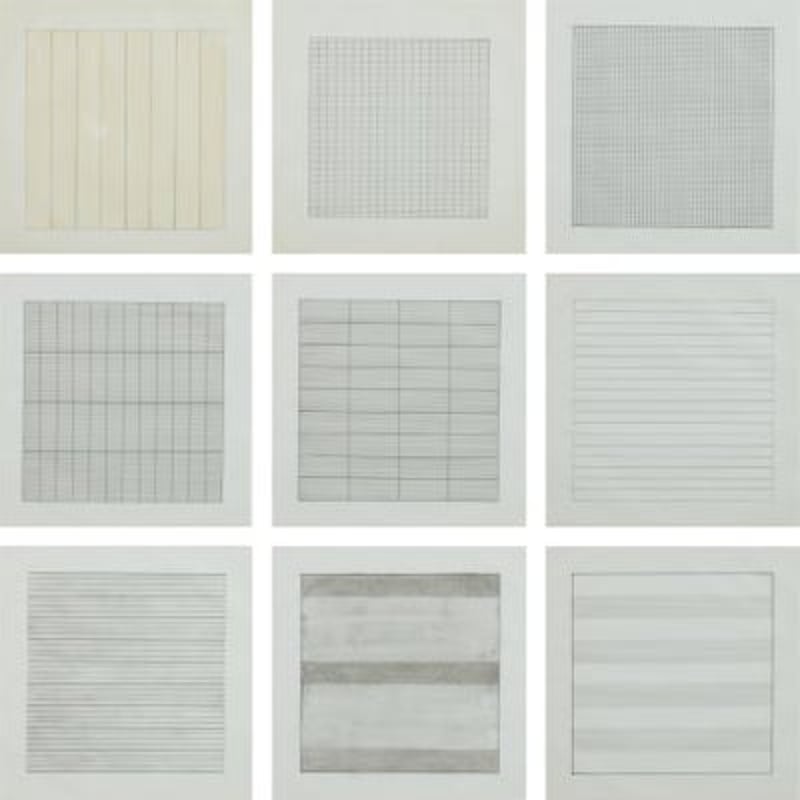
A portfolio is a collection of artworks or images assembled in a folder or digital format for storage or display. Artists often compile portfolios to showcase their work, either thematically related or varied, to present to potential clients, galleries, or institutions. Portfolios are essential tools for artists to demonstrate their skills and artistic development.

Concrete Art is an art movement founded by the Dutch artist Theo van Doesburg in the 1930s. The movement emphasizes pure abstraction, focusing on geometric shapes and colors without any reference to the natural world or symbolic meaning. Unlike other forms of abstract art, Concrete Art is entirely non-representational and is based on mathematical principles and precise execution. It aims to create universal, timeless works by using simple, clear forms that emphasize objectivity and clarity.

Art Informel is a French term referring to the gestural and improvisational techniques common in abstract painting during the 1940s and 50s. It encompasses various styles that dominated these decades, characterized by informal, spontaneous methods. Artists used this term to describe approaches that moved away from traditional structures and embraced more expressive, unstructured techniques.
Can't find your Answer?
Thank you! Your question has been sent — we'll get back to you shortly.
