

Untitled (from The Geldzahler Portfolio), 1998
Form
Medium
Size
- Inches
- Centimeters
Edition
Price
- USD
- EUR
- GBP
- CHF
- Authenticity Guaranteed
- Insured Shipping
- Online Since 2005
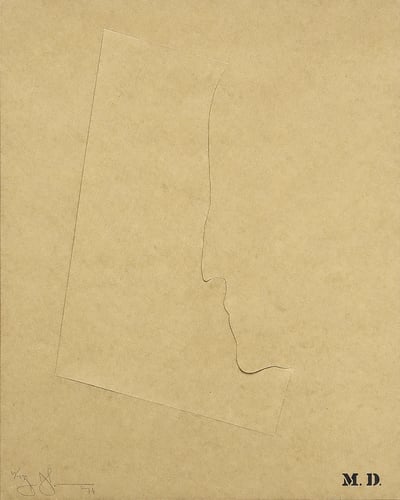
Jasper Johns
M. D., 1974
Limited Edition Print
Mixed Media
Inquire For Price
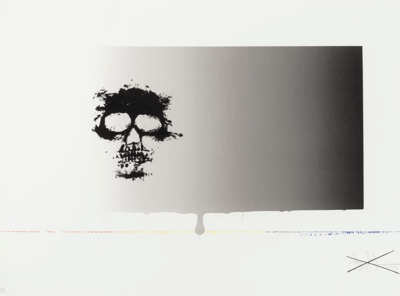
Jasper Johns
Untitled (from Reality and Paradoxes), 1973
Limited Edition Print
Screen-print
USD 3,850
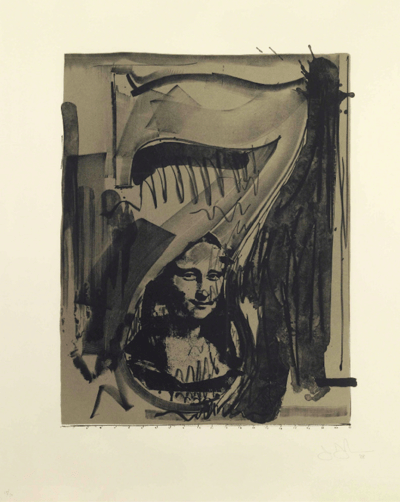
Jasper Johns
Figure 7, Black Numerals Series, 1968
Limited Edition Print
Lithograph
Inquire For Price
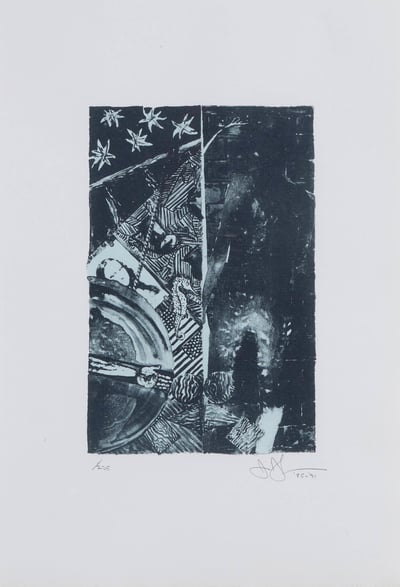
Jasper Johns
Summer (Blue), 1985-91
Limited Edition Print
Lithograph
USD 4,690

Jasper Johns
The Season, 1990
Limited Edition Print
Etching
USD 14,000 - 17,000
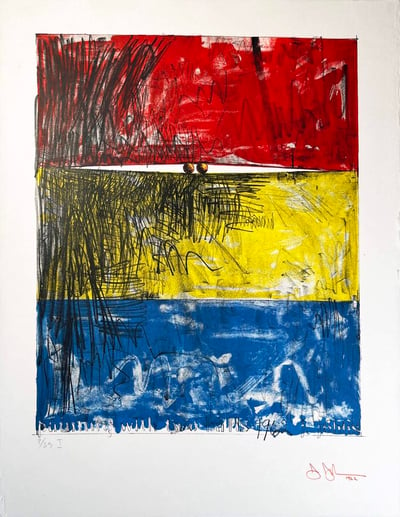
Jasper Johns
Painting with Two Balls I, 1962
Limited Edition Print
Lithograph
USD 31,500

Jasper Johns
Souvenir I, 1972
Limited Edition Print
Lithograph
Inquire For Price
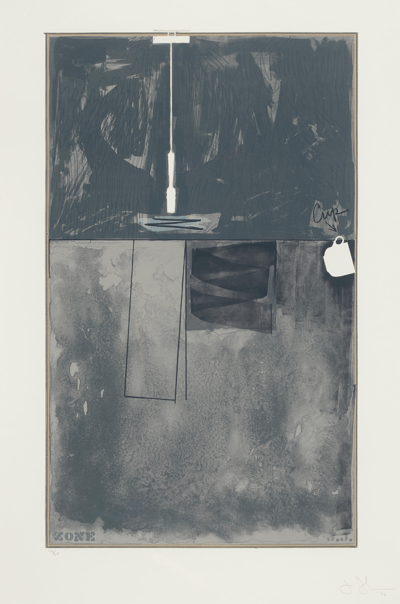
Jasper Johns
Zone, 1972
Limited Edition Print
Lithograph
Inquire For Price

Jasper Johns
Sun on Six, 2000
Limited Edition Print
Linocut
Inquire For Price

Jasper Johns
Hinged Canvas, 1971
Limited Edition Print
Lithograph
USD 5,000

Jasper Johns
Untitled (from The Geldzahler Portfolio), 1998
Limited Edition Print
Etching
USD 6,300

Jasper Johns
Untitled (Fragmented Frame), 1992
Limited Edition Print
Lithograph
USD 10,700
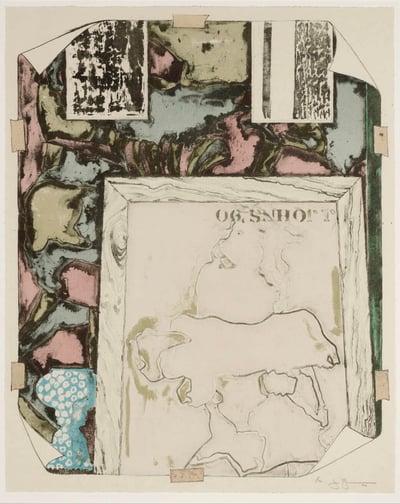
Jasper Johns
Untitled (Faded Impressions), 1992
Limited Edition Print
Lithograph
Inquire For Price
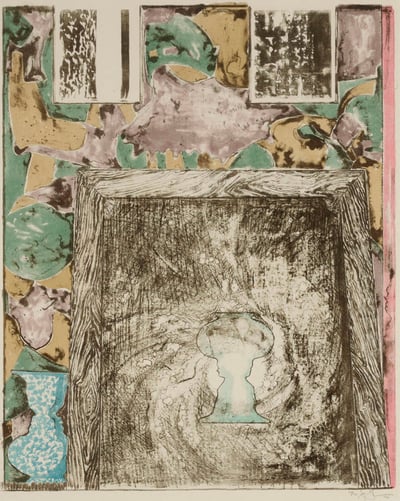
Jasper Johns
Untitled (Shattered Vessel), 1992
Limited Edition Print
Lithograph
Inquire For Price
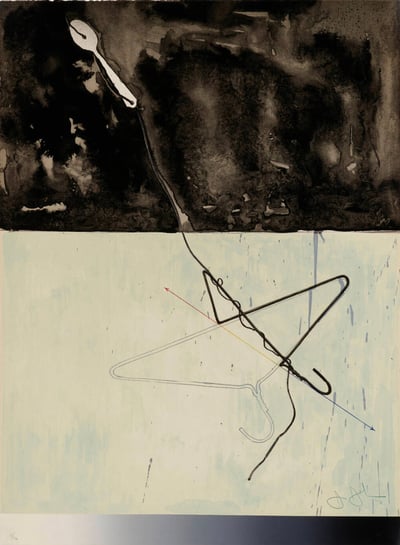
Jasper Johns
Coathanger and Spoon, 1971
Limited Edition Print
Lithograph
Inquire For Price
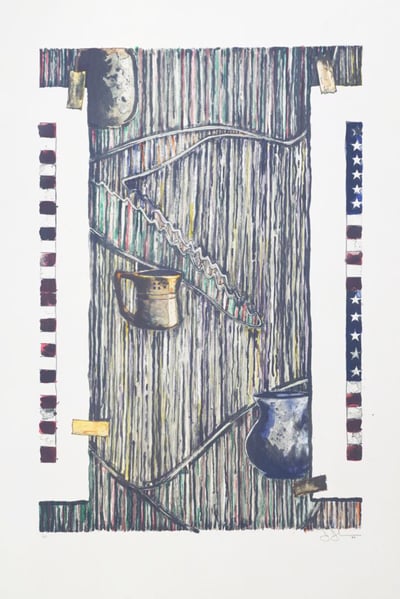
Jasper Johns
Ventriloquist, 1985
Limited Edition Print
Lithograph
USD 13,000

Jasper Johns
Periscope, 1981
Limited Edition Print
Etching and Aquatint
USD 25,000 - 30,000

Jasper Johns
Knee, 1974
Limited Edition Print
Lithograph
USD 7,350
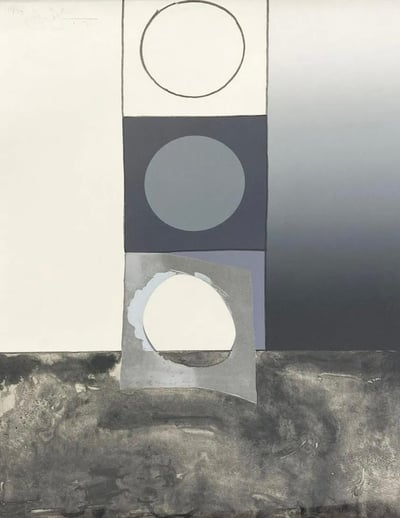
Jasper Johns
Bent Stencil, 1971
Limited Edition Print
Lithograph
USD 7,650
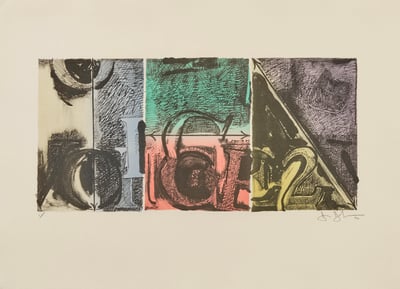
Jasper Johns
Voice 2, 1982
Limited Edition Print
Lithograph
USD 7,670

Jasper Johns
Summer, 1985
Limited Edition Print
Etching and Aquatint
USD 5,250

Jasper Johns
Ventriloquist, 1990
Limited Edition Print
Lithograph
USD 10,000 - 15,000

Jasper Johns
Untitled (Faces on purple), 1988
Limited Edition Print
Carborundum
USD 21,000 - 30,000
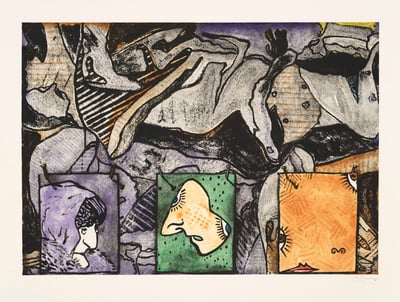
Jasper Johns
Untitled - Faces (ULAE 243), 1988
Limited Edition Print
Carborundum
USD 41,000 - 45,000

Jasper Johns
Valentine, 2010
Limited Edition Print
Etching and Aquatint
Currently Not Available

Jasper Johns
Cross Hatch, 1977
Limited Edition Print
Screen-print
Currently Not Available
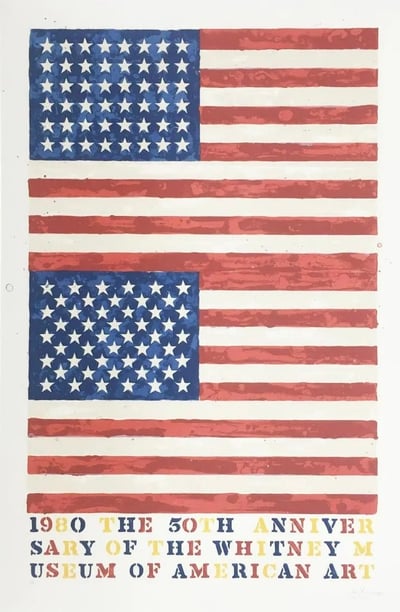
Jasper Johns
Double Flags, 1979-80
Limited Edition Print
Lithograph
Currently Not Available

Jasper Johns
Technics and Creativity, 1971
Limited Edition Print
Mixed Media
Currently Not Available
Related Artists


What is appropriation?
Appropriation in art involves using pre-existing images or objects with little or no modification. This technique has played a significant role across various art forms, including visual arts, music, performance, and literature. In visual arts, appropriation refers to the practice of adopting, sampling, recycling, or borrowing elements—or even entire forms—of existing visual culture, integrating them into new works to create meaning or critique.


Jasper Johns
Untitled (from The Geldzahler Portfolio), 1998
76.2 x 55.9 cm


