

What is pop-art?
- Show All
- Established
- Discoveries
- Show All
Artworks Related to Pop art

Roy Lichtenstein
Haystack #1, 1969
Limited Edition Print
Lithograph
USD 19,300
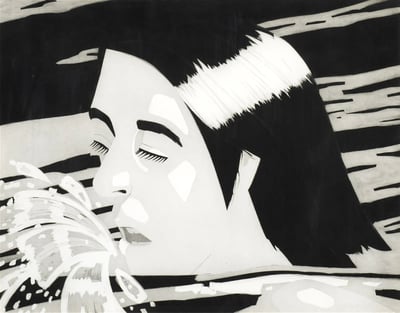
Alex Katz
The Swimmer, 1974
Limited Edition Print
Aquatint
USD 4,500 - 7,000

Ed Ruscha
Wen Out For Cigrets N Never Came Back, 2017
Sculpture / Object
Bronze
USD 150,000 - 170,000
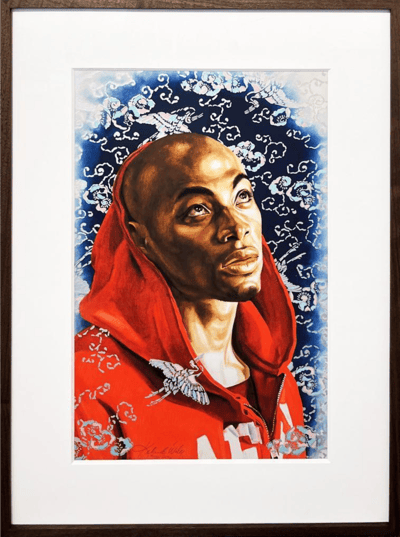
Kehinde Wiley
Sophie Arnould Study II, 2016
Limited Edition Print
Pigment print
Currently Not Available

Ed Ruscha
Mysteries, 2021
Limited Edition Print
Lithograph
USD 50,000 - 60,000
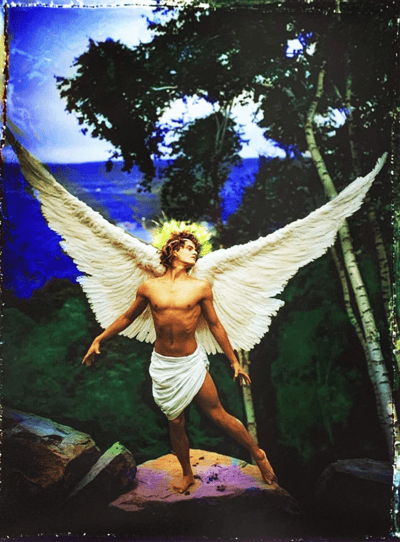
David LaChapelle
Lost and Found - Good News, Art Edition: Arch Angel Uriel, 2019
Limited Edition Print
Archival Print
USD 2,950
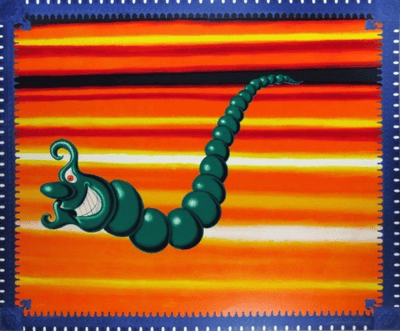
Kenny Scharf
Jade Pea God, 1989
Limited Edition Print
Screen-print
USD 3,750

Ed Ruscha
Ex Libris, 2018
Limited Edition Print
Lithograph
USD 6,100
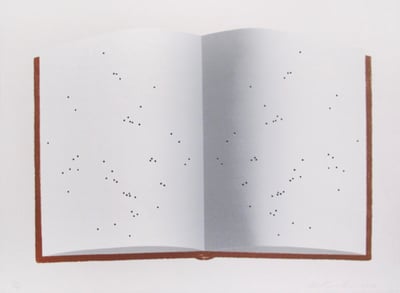
Ed Ruscha
Open Book With Worm Holes, 2012
Limited Edition Print
Lithograph
USD 12,000

Thiebaud Wayne
Crown Tart, 2015
Limited Edition Print
Mixed Media
USD 11,900
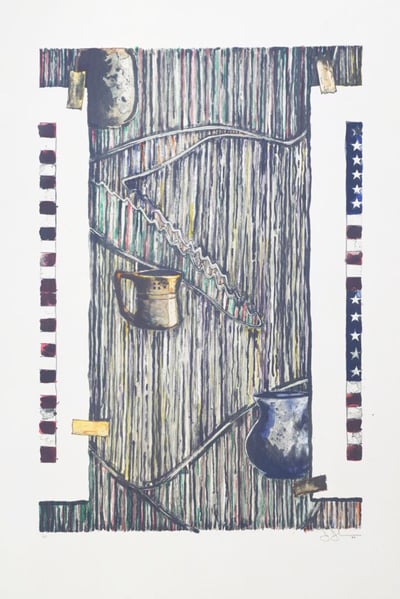
Jasper Johns
Ventriloquist, 1985
Limited Edition Print
Lithograph
USD 13,000
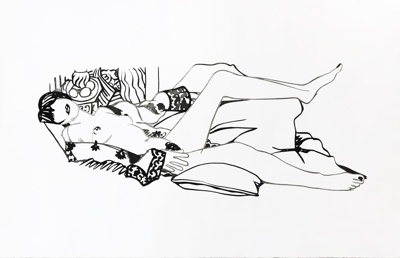
Tom Wesselmann
Monica Nude with Purple Robe, 1990
Limited Edition Print
Mixed Media
USD 18,000
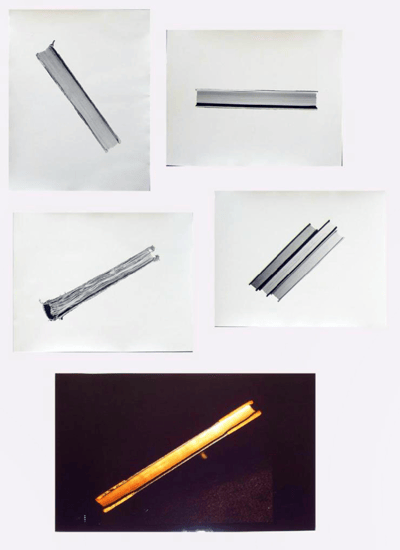
Ed Ruscha
Books, 2001
Limited Edition Print
Photograph
USD 18,000
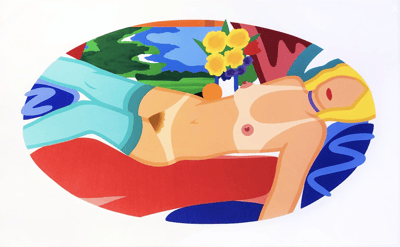
Tom Wesselmann
Beautiful Bedroom Kate, 1998
Limited Edition Print
Screen-print
USD 18,000
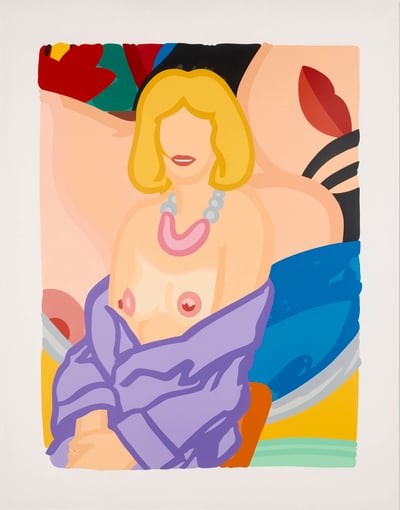
Tom Wesselmann
Claire Sitting with Robe Half Off (Vivienne), 1993
Limited Edition Print
Screen-print
USD 12,500

Jasper Johns
Periscope, 1981
Limited Edition Print
Etching and Aquatint
USD 25,000 - 30,000
Related Articles


EAT (Experiments in Art and Technology) was a movement formed to foster collaborations between engineers and artists. It facilitated direct, person-to-person connections between these two groups. The movement was originally launched in 1967 by artists Robert Whitman and Robert Rauschenberg, along with engineers Fred Waldhauer and Billy Klüver. EAT carried out various projects and activities that expanded the role of artists in contemporary society, encouraging the integration of art and technology.
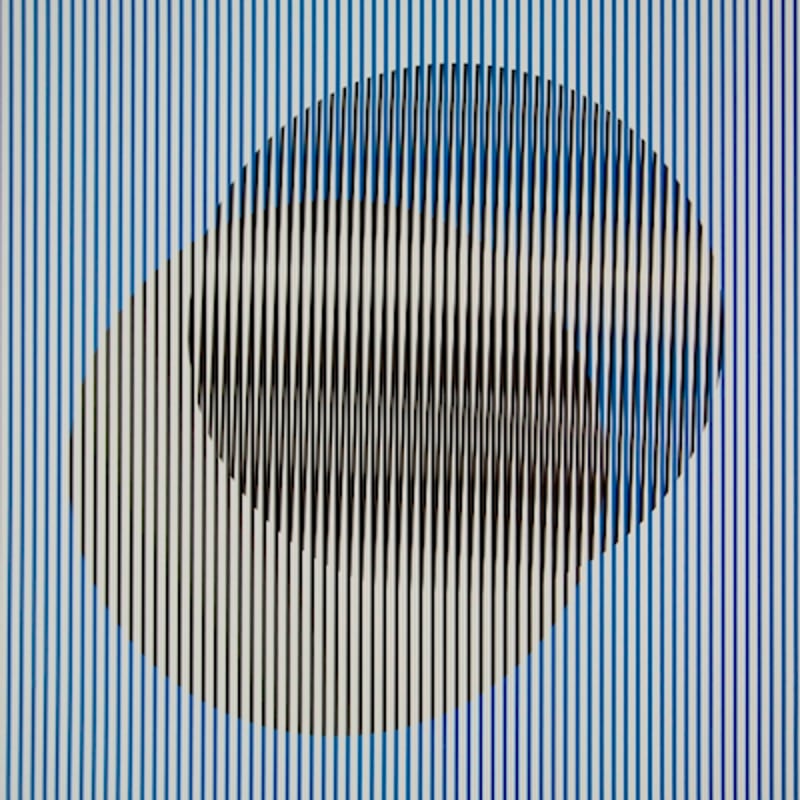
Latin American Art is a style which takes inspiration from its culture, society, politics, native traditions, religions and landscape. Op-Art and Kinetic Art figure prominently in Latin artworks. Colors in Latin American compositions are often bold. Latin American artists work in all media and movements.

Marble is a rare and expensive metamorphic rock composed of recrystallized limestone. It has been used for centuries to create statues, decorative floors, and walls due to its translucency and durability. Marble is ideal for both free-standing statues and relief sculptures. When carving, the material is chiseled away in small increments to achieve the desired form.
Can't find your Answer?
Thank you! Your question has been sent — we'll get back to you shortly.
