
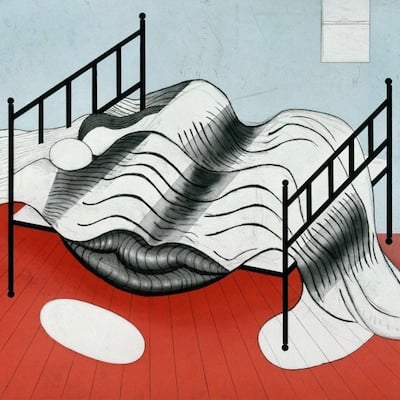
What is Postmodernism?
- Show All
- Established
- Discoveries
- Show All
Artworks Related to Postmodernism
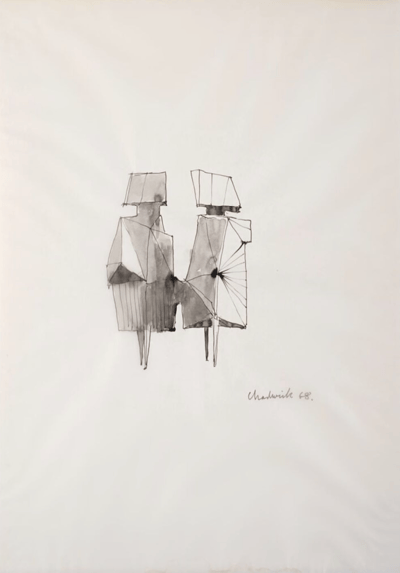
Lynn Chadwick
Two Watchers, 1968
Drawing / Watercolor
Ink
GBP 10,000 - 15,000
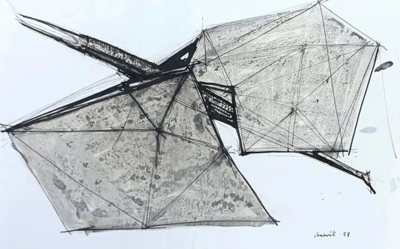
Lynn Chadwick
Study Related to Bird III, 1958
Drawing / Watercolor
Mixed Media
GBP 25,000 - 30,000

Willem de Kooning
Rainbow: Thelonious Monk Devil at the Keyboard, 1972/76
Limited Edition Print
Lithograph
Currently Not Available

Sandro Chia
Untitled (Columbus: In Search of a New Tomorrow), 1992
Limited Edition Print
Screen-print
Inquire For Price

Javacheff Christo
Texas Mastaba, Project For 500,000 Stacked Oil Drums, 1971
Limited Edition Print
Lithograph
USD 1,550

Louise Bourgeois
Untitled (Undulating Ribbon), 1997
Drawing / Watercolor
Mixed Media
Inquire For Price

Francis Bacon
Seated Figure, 1983
Limited Edition Print
Etching and Aquatint
Currently Not Available

Helen Frankenthaler
Reflections IX, 1995
Limited Edition Print
Lithograph
USD 7,150

Willem de Kooning
Untitled from Self Portrait in a Convex Mirror, 1984
Limited Edition Print
Lithograph
Inquire For Price
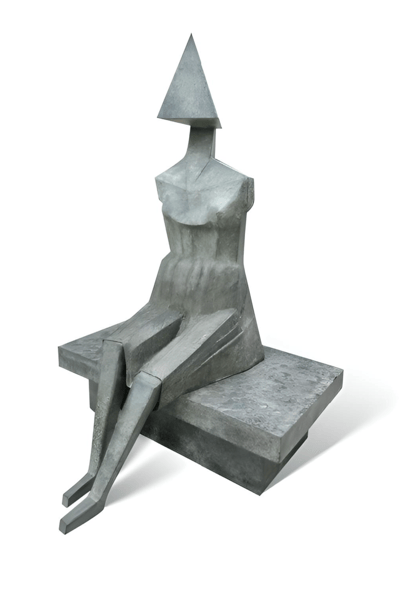
Lynn Chadwick
Little Girl III, 1987
Sculpture / Object
Bronze
Inquire For Price
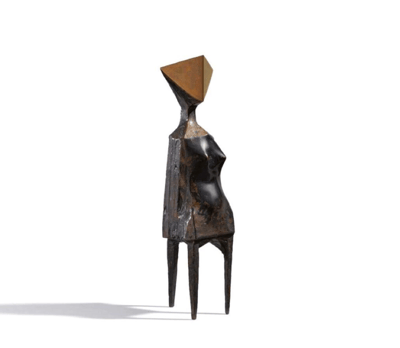
Lynn Chadwick
Little Girl, 1970
Sculpture / Object
Bronze
Inquire For Price
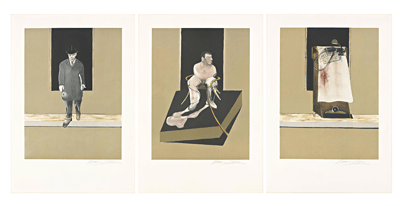
Francis Bacon
Tryptych, 1986/1987
Limited Edition Print
Etching and Aquatint
Inquire For Price
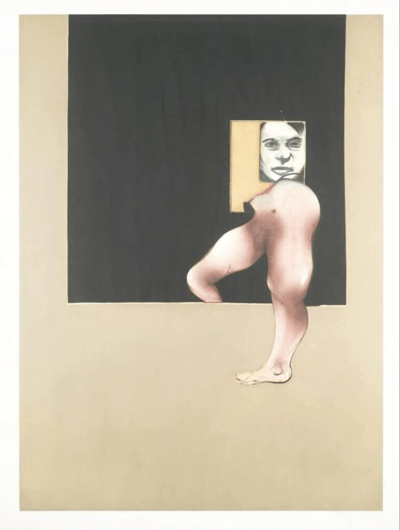
Francis Bacon
Tryptych, 1992
Limited Edition Print
Aquatint
Inquire For Price
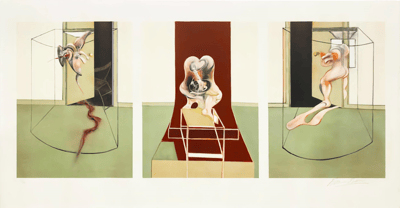
Francis Bacon
Triptych Inspired by Oresteia of Aeschylus (s.9503), 1981
Limited Edition Print
Lithograph
Inquire For Price
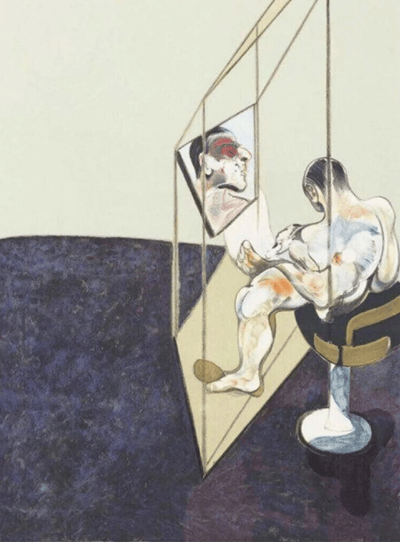
Francis Bacon
Three Studies of Male Back (One Work - Right hand panel of the triptych), 1987
Limited Edition Print
Lithograph
Inquire For Price
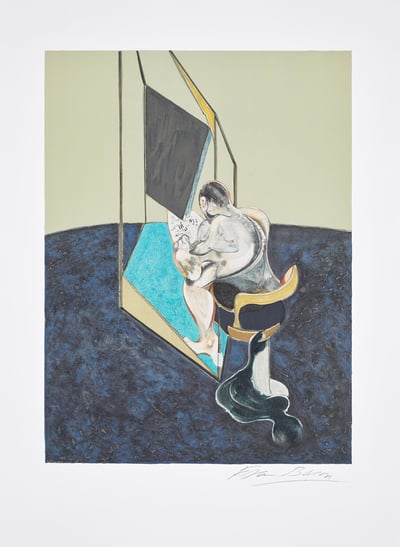
Francis Bacon
Three Studies of Male Back (One Work - Central panel of the triptych), 1987
Limited Edition Print
Lithograph
GBP 18,000 - 22,000
Related Articles

Colored pencils consist of a core made from various colored pigments mixed with a binder, encased in wood. They can also be found as solid pigment sticks without the wooden casing. When drawing, the pigment is transferred to a surface, allowing for lines and shading in different thicknesses.

The Uncanny is a concept described by psychologist Sigmund Freud as the eerie or unsettling feeling that arises when something familiar is presented in a strange or unfamiliar way. Surrealist artists, who aimed to reveal the subconscious and merge it with reality, often utilized this concept by combining familiar objects in unexpected and bizarre ways. This approach created a sense of discomfort or unease, challenging the viewer's perception of reality.
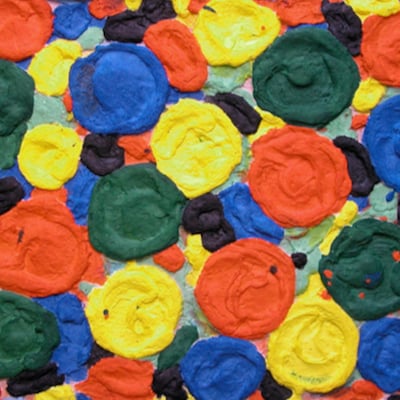
Aquagravure is a technique that combines multiple processes. It involves compressing wet paper pulp in a carved wood mold until the water drains off. The compressed paper is then painted, and ink is added to the mold to print onto the painted paper. The final work is allowed to dry. This method results in a unique textural and visual effect, blending elements of printmaking and papermaking.
Can't find your Answer?
Thank you! Your question has been sent — we'll get back to you shortly.
