
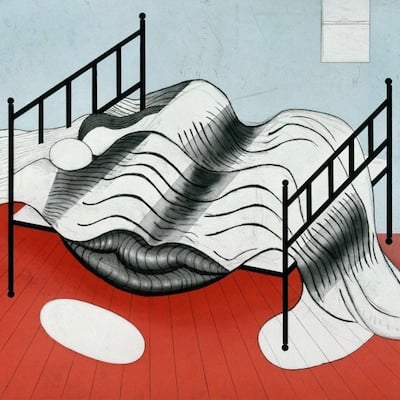
What is Postmodernism?
- Show All
- Established
- Discoveries
- Show All
Artworks Related to Postmodernism
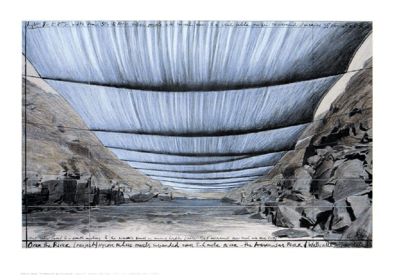
Javacheff Christo
Over The River Project V Under, 1992
Limited Edition Print
Offset Print
USD 1,450

Javacheff Christo
Over The River Project V, 1992
Limited Edition Print
Offset Print
USD 1,400
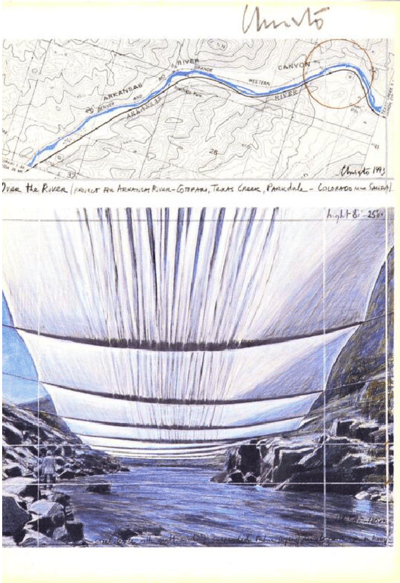
Javacheff Christo
Over The River Project IV, 1993
Limited Edition Print
Offset Print
USD 1,400

Javacheff Christo
Over The River Project III, 1993
Limited Edition Print
Offset Print
USD 1,400
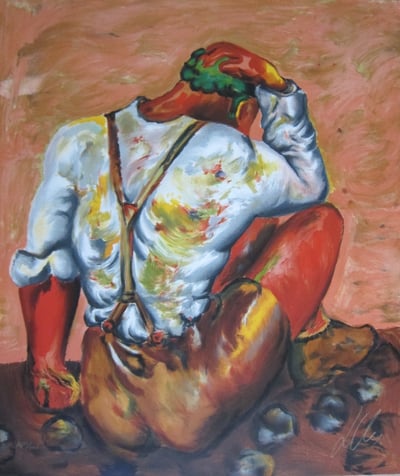
Sandro Chia
Lonely Explore, 1991
Limited Edition Print
Lithograph
EUR 1,900
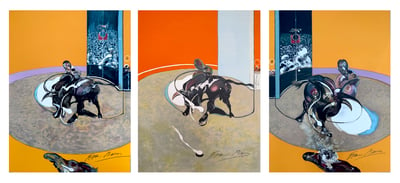
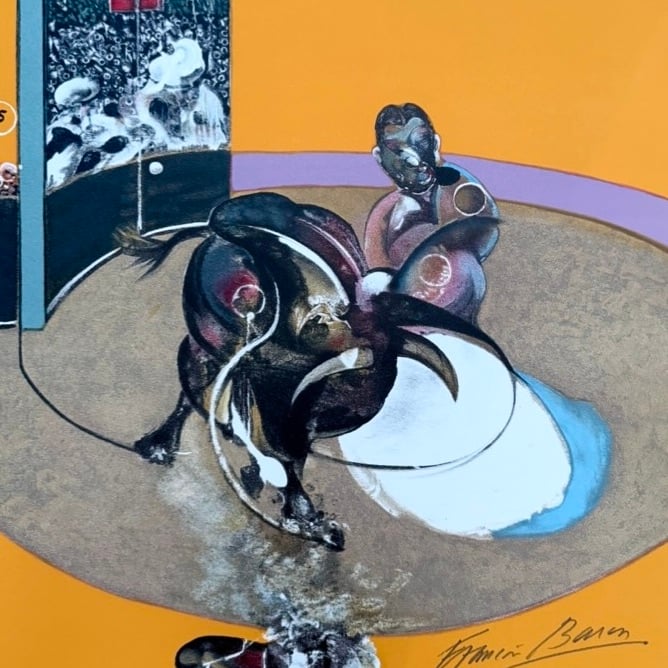
Francis Bacon
Miroir de la Tauromachie, 1990
Limited Edition Print
Lithograph
Inquire For Price

Javacheff Christo
Wrapped Trees Portfolio, 1997-1998
Limited Edition Print
Photograph
EUR 15,500

Helen Frankenthaler
Orange Hoop, 1965
Limited Edition Print
Lithograph
Currently Not Available
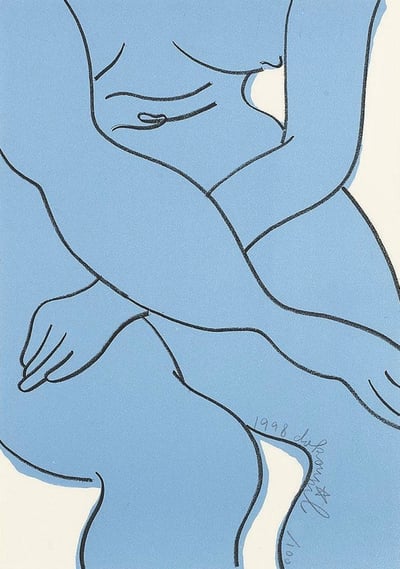
Georg Jiri Dokoupil
Blue Nude, 1998
Limited Edition Print
Lithograph
Currently Not Available

Marina Abramovic
512 Hours (2014), 2021
Photography
C-Print
EUR 2,400
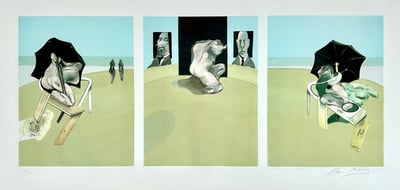
Francis Bacon
Triptych, 1974-1977
Limited Edition Print
Etching and Aquatint
Currently Not Available

Jordi Alcaraz
Sense títol I, 2024
Limited Edition Print
Mixed Media
Currently Not Available

Paul Delvaux
Le tramway, 1971
Limited Edition Print
Lithograph
EUR 2,600
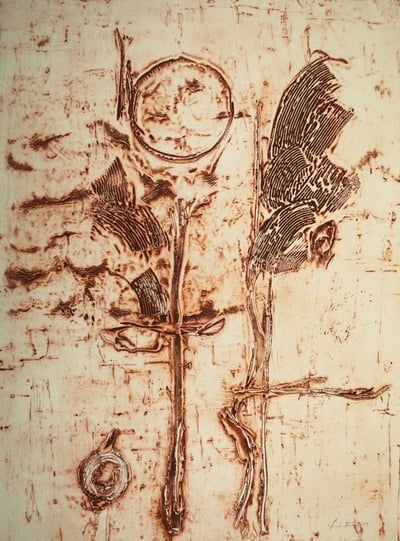
Helen Frankenthaler
Parets, 1987
Limited Edition Print
Etching
EUR 11,900

Robert Motherwell
Untitled (Gesture #6), 1976
Limited Edition Print
Etching
USD 11,900
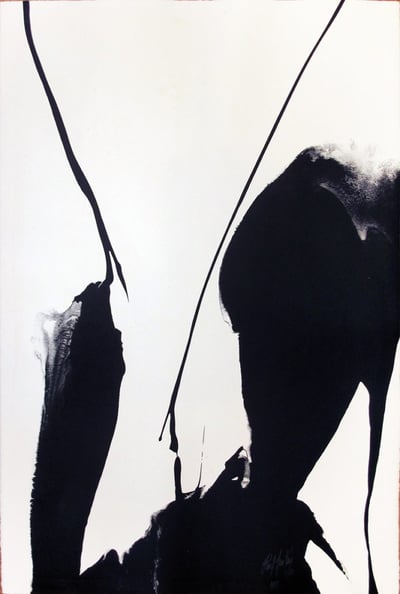
Paul Jenkins
Untitled (Black Strokes), 1971
Limited Edition Print
Lithograph
USD 1,580
Related Articles
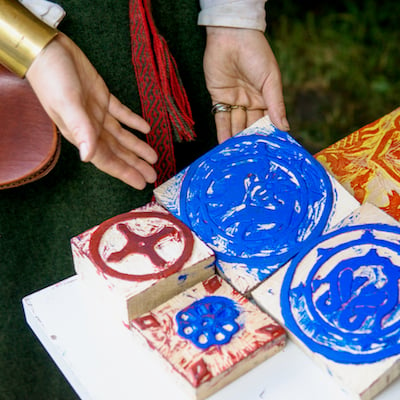
Woodcut is a printing technique where an image is carved into the surface of a woodblock using gouges, with the remaining flat surface holding the ink for printing. The areas cut away by the artist do not carry ink, while the uncut areas do, producing the desired print. The carving follows the wood's grain, unlike wood engraving, where the block is cut across the end-grain. Ink is applied to the surface with a roller, ensuring only the flat, uncarved areas receive ink, leaving the recessed, non-printing areas clean.

Site-Specific Art is a form of artwork created to exist in a particular location, with the artist considering the site as an integral part of the creative process. Robert Irwin was a key figure in promoting this art form in California. Site-Specific Art emerged as a reaction against modernist objects, which were often portable, commodified, and confined to museum spaces. In contrast, Site-Specific Art is inherently tied to its location, challenging the traditional notions of art as a transportable and marketable commodity.

Tempera is a paint traditionally made by mixing colored pigments with egg yolk. It dries quickly and is highly durable, with some examples dating back to 100 AD still in existence. Modern tempera paint often uses glue size as a binder instead of egg yolk. Tempera is known for its bright colors and fine, detailed application, making it popular for panel paintings and icons.
Can't find your Answer?
Thank you! Your question has been sent — we'll get back to you shortly.
