
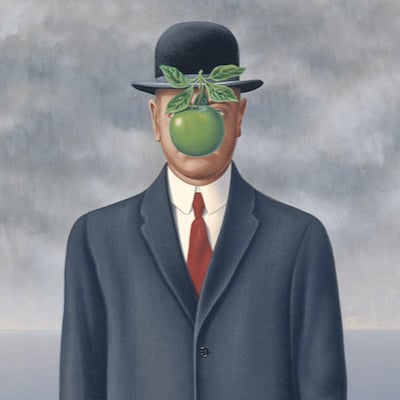
What is Surrealism?
- Show All
- Established
- Discoveries
- Show All
Artworks Related to Surrealism

Marc Chagall
Le Peintre, from Songes (cf. C. books 112), 1981
Limited Edition Print
Etching and Aquatint
USD 6,000
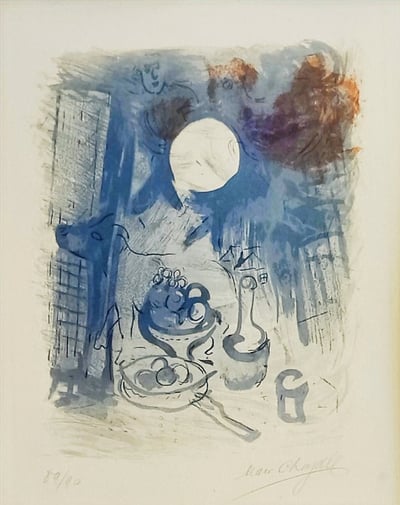
Marc Chagall
Nature morte bleue, 1957
Limited Edition Print
Lithograph
USD 6,000
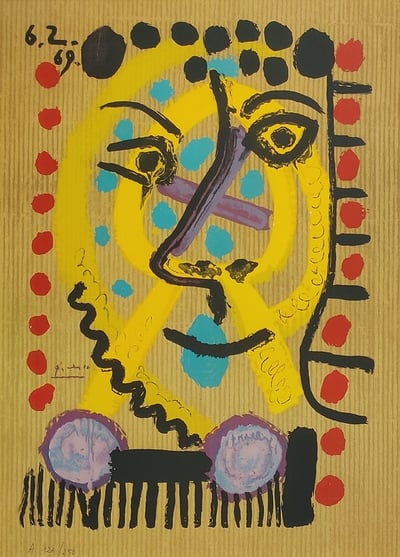
Pablo Picasso
One plate, from Les Portraits Imaginaires, 1969
Limited Edition Print
Lithograph
USD 8,150

Pablo Picasso
Mother and Child with Shawl, from Barcelona Suite, 1966
Limited Edition Print
Offset Print
USD 9,800

Pablo Picasso
Jacqueline (La Dame aux Des), 1958
Limited Edition Print
Lithograph
USD 15,200

Pablo Picasso
Untitled from Le Cocu Magnifique, 1966
Limited Edition Print
Etching and Aquatint
USD 9,350
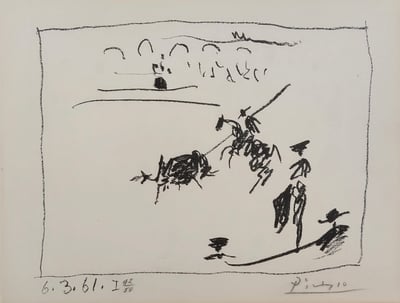
Pablo Picasso
La Pique, from A los toros avec Picasso, 1961
Limited Edition Print
Lithograph
USD 15,200
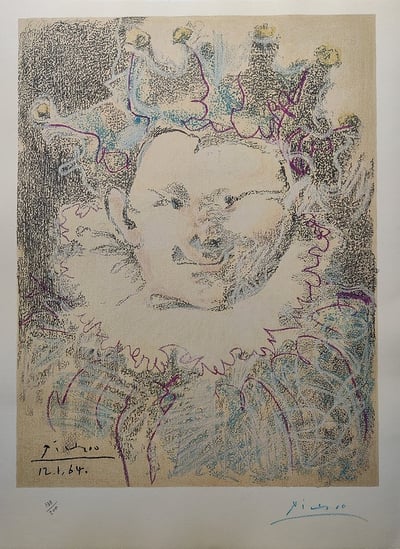
Pablo Picasso
Tête de Buffon (Arlequin), 1964
Limited Edition Print
Lithograph
USD 13,900
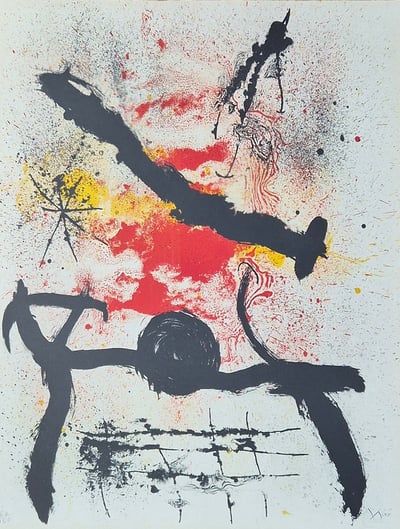
Joan Miró
Untitled from Graphikmappe Hochschule St. Gallen, 1964
Limited Edition Print
Lithograph
USD 6,800

Joan Miró
Composition for from XXe Siecle, No. 16, 1961
Limited Edition Print
Lithograph
USD 7,500

Joan Miró
Arlequin Circonscrit, 1973
Limited Edition Print
Lithograph
USD 8,450

Joan Miró
L'Hypnotiseur (orange), 1969
Limited Edition Print
Lithograph
USD 8,800

Joan Miró
Obra Gràfica, 1980
Limited Edition Print
Lithograph
USD 9,900
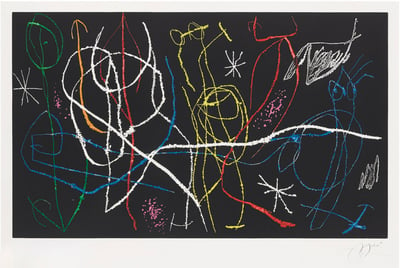
Joan Miró
Sunday Guest III (L'Invitée du Dimanche), 1969
Limited Edition Print
Etching
USD 10,900
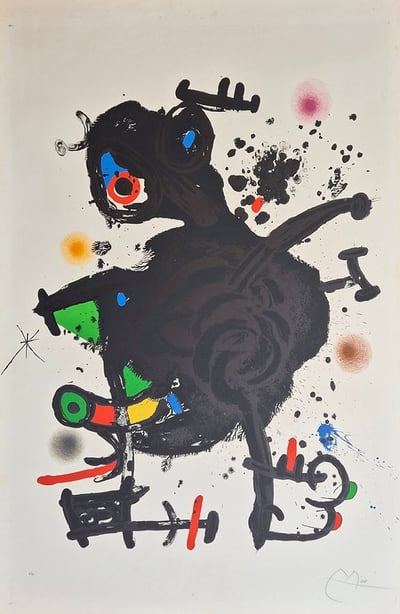
Joan Miró
Le gourou déployé, 1971
Limited Edition Print
Lithograph
USD 23,000

Marc Chagall
The Tribe of Gad CS19, 1964
Limited Edition Print
Lithograph
USD 10,700
Related Articles

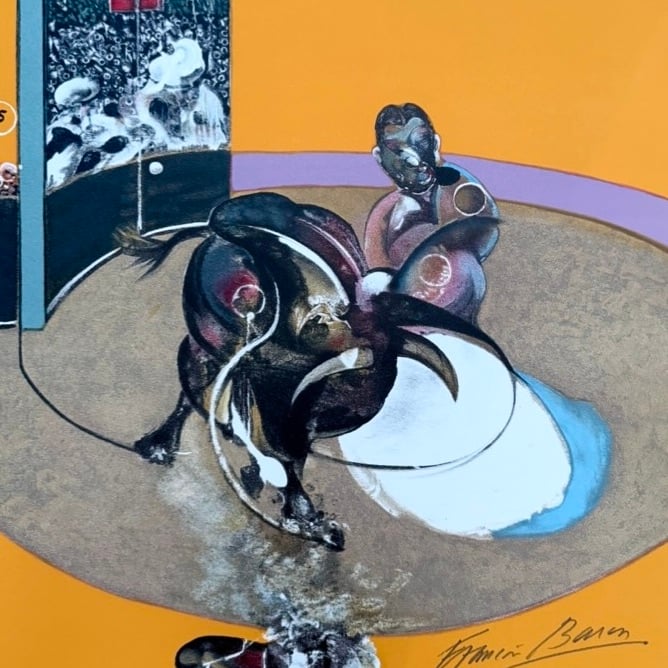


Acrylic paint is a fast-drying paint made from pigment suspended in an acrylic polymer emulsion. It is water-soluble when wet but becomes water-resistant once dry. Acrylic paints offer unique characteristics that are not easily achieved with other media, allowing for effects similar to both oil and watercolor paintings while providing their own distinct qualities.
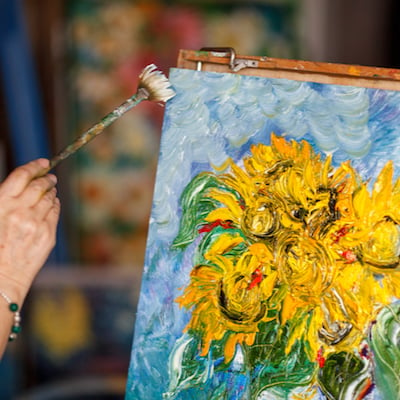
Oil paint is a slow-drying type of paint made from pigment particles suspended in a drying oil, typically linseed oil. The viscosity of the paint can be adjusted by adding a solvent like turpentine, and varnish can be added to increase the glossiness of the dried paint film. Oil painting has been used since the 12th century in Europe, initially for decoration, but it was not widely adopted as a primary painting medium until the 15th century.
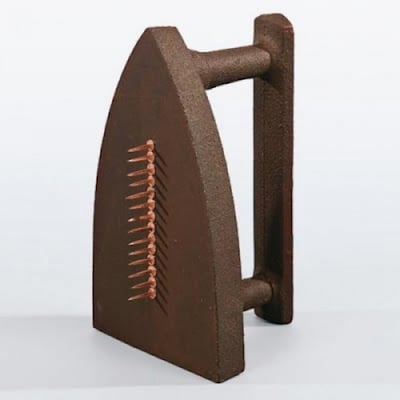
Readymade is the term coined by French artist Marcel Duchamp to describe artworks created from manufactured objects. Duchamp selected ordinary, functional items that he felt had visual indifference, turning them into art simply by choosing and presenting them in a new context. This concept challenged traditional notions of art and continues to influence artists who adopt similar approaches today.
Can't find your Answer?
Thank you! Your question has been sent — we'll get back to you shortly.
