
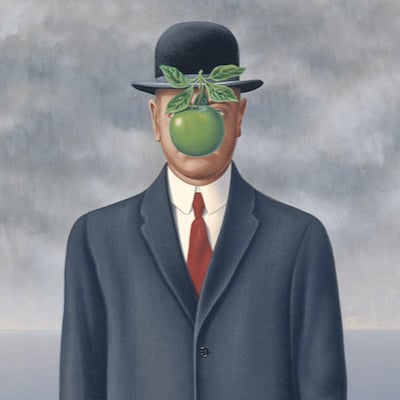
What is Surrealism?
- Show All
- Established
- Discoveries
- Show All
Artworks Related to Surrealism
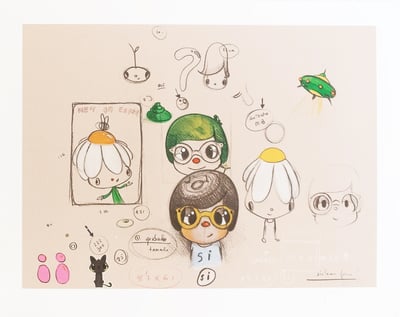
Javier Calleja
Si, 2024
Limited Edition Print
Serigraph
USD 6,600
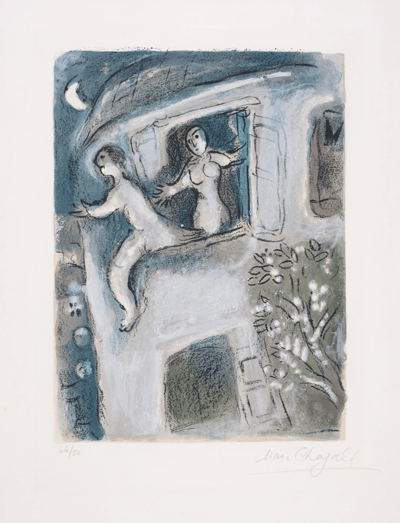
Marc Chagall
David Sauvé par Michal, from La Bible, 1960
Limited Edition Print
Lithograph
USD 4,690
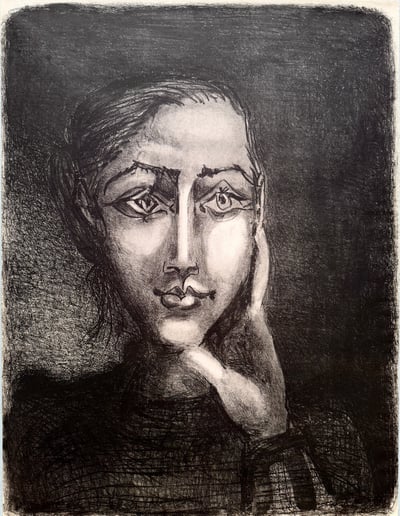
Pablo Picasso
Françoise sur fond gris, 1950
Limited Edition Print
Lithograph
EUR 70,000 - 80,000

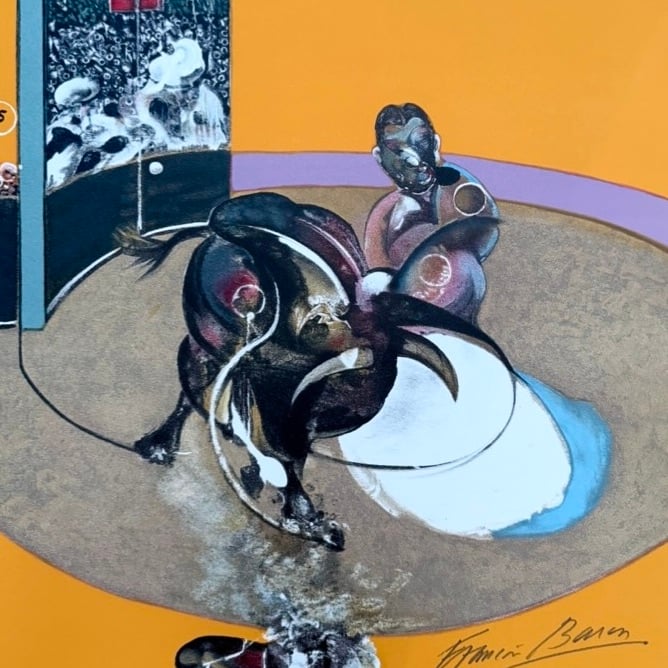
Francis Bacon
Triptych, March 1974 ( Centre Panel ), 1978
Limited Edition Print
Offset Print
Currently Not Available
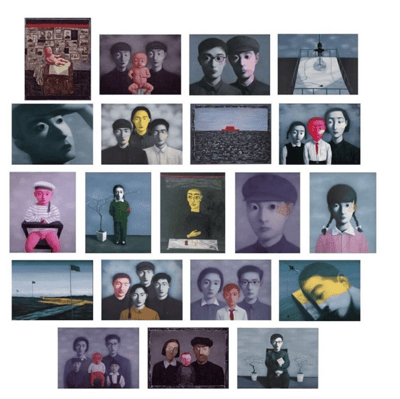
Zhang Xiaogang
The Storyteller's Enchantments (Portfolio of 20), 2009
Limited Edition Print
Lithograph
Inquire For Price
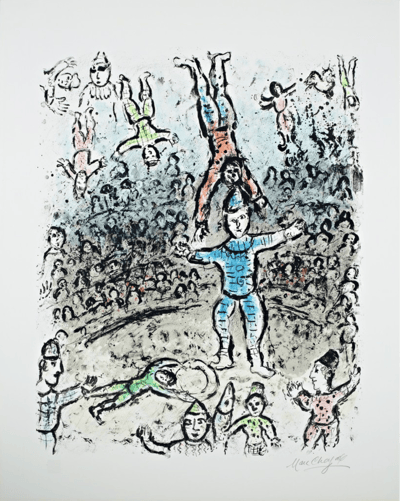
Marc Chagall
The Acrobats, 1984
Limited Edition Print
Lithograph
Inquire For Price

Joan Miró
One plate, Homenatge à Joan Prats, 1975
Limited Edition Print
Lithograph
USD 4,250

Joan Miró
Sobreteixims I Escultures, 1972
Limited Edition Print
Lithograph
Currently Not Available

Robert Motherwell
Newport Opera, 1979
Limited Edition Print
Offset Print
USD 2,310

Marc Chagall
La Mise en Mot (Mourlot 584a), 1969
Limited Edition Print
Lithograph
EUR 3,750

Alberto Giacometti
La Mère de l’artiste assise III, 1963
Limited Edition Print
Lithograph
EUR 5,250

Francis Bacon
Triptych (Centre), 1983
Limited Edition Print
Lithograph
EUR 18,800
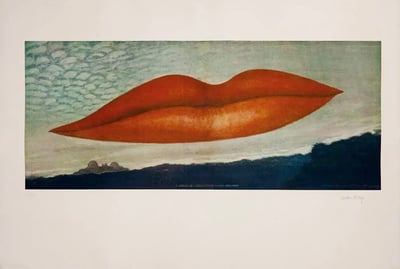
Man Ray
À l’heure de l’observatoire – Les amoureux, 1970
Limited Edition Print
Lithograph
EUR 38,500

Joan Miró
Preparatifs d’Oiseaux, 1963
Limited Edition Print
Etching and Aquatint
USD 4,060

Roberto Matta
Centre noeuds, 1974
Limited Edition Print
Etching and Aquatint
USD 6,250

Zhang Xiaogang
Girl and Tree - Planche No. 13, 2009
Limited Edition Print
Lithograph
USD 8,400
Related Articles



Plaster is a mixture of heat-treated powdered gypsum combined with water to create a workable material. It can be used to make solid sculptures, cast in molds, carved, modeled, or attached to other materials. Artists have used plaster for both working models and finished artworks for centuries due to its versatility.

Assemblage is an artistic process involving the combination of three-dimensional objects to create a work of art. The term, which originates from the French word for assembly, often involves the use of found objects like leaves, stones, discarded items, or recycled materials. These objects are arranged creatively to form a unique and often thought-provoking artwork.

Nouveau Réalisme is an artistic movement founded in 1960 by art critic Pierre Restany and painter Yves Klein during a collective exhibition at a gallery in Milan. Restany wrote the original manifesto in April 1960, proclaiming the movement. In October of that year, nine artists, including Martial Raysse, Yves Klein, Daniel Spoerri, Jean Tinguely, Arman, Pierre Restany, and three Ultra-Lettrists—Jacques de la Villeglé, François Dufrêne, and Raymond Hains—signed the declaration. In 1961, the movement expanded to include Mimmo Rotella, Niki de Saint Phalle, Gérard Deschamps, and César. The movement emphasized a return to reality in art, often incorporating everyday objects and exploring the boundaries between art and life.
Can't find your Answer?
Thank you! Your question has been sent — we'll get back to you shortly.
