
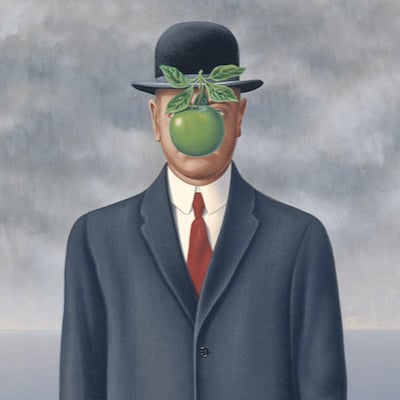
What is Surrealism?
- Show All
- Established
- Discoveries
- Show All
Artworks Related to Surrealism

James Ensor
La Mare aux Peupliers, 1889
Limited Edition Print
Etching
EUR 3,650

James Ensor
Les Toits a Ostende, 1903
Limited Edition Print
Etching
Currently Not Available

James Ensor
La Cathédrale, 1896
Limited Edition Print
Etching
Currently Not Available

James Ensor
Chaumières, 1888
Limited Edition Print
Etching
EUR 1,495
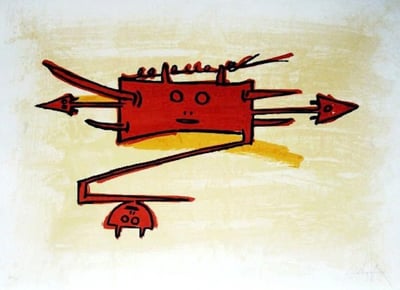
Wifredo Lam
El último viaje del buque fantasma VI, 1976
Limited Edition Print
Lithograph
EUR 850
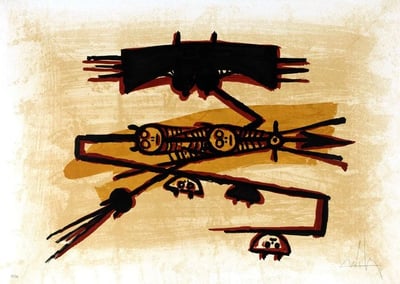
Wifredo Lam
El último viaje del buque fantasma III, 1976
Limited Edition Print
Lithograph
EUR 850
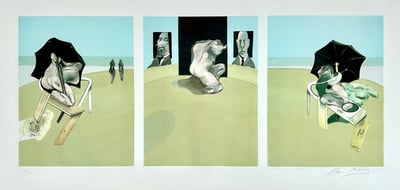
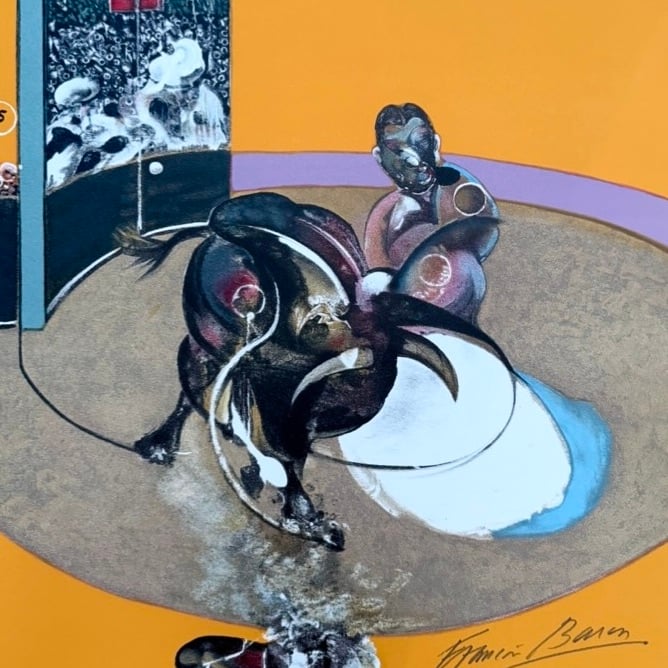
Francis Bacon
Triptych, 1974-1977
Limited Edition Print
Etching and Aquatint
Currently Not Available

Liliana Porter
La faena, 2024
Limited Edition Print
Collage
EUR 3,000

Liliana Porter
Uno más, 2024
Limited Edition Print
Collage
EUR 3,000

Liliana Porter
La espiral, 2024
Limited Edition Print
Collage
EUR 3,000
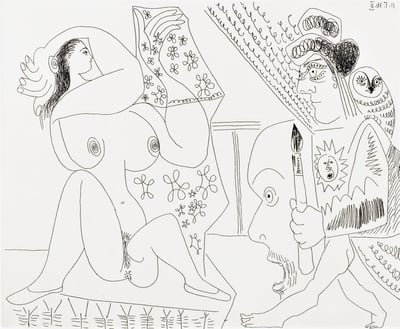
Pablo Picasso
Peintre et modèle , 1970
Limited Edition Print
Etching
EUR 2,400

Jordi Alcaraz
Sense títol I, 2024
Limited Edition Print
Mixed Media
Currently Not Available

Paul Delvaux
Le tramway, 1971
Limited Edition Print
Lithograph
EUR 2,600
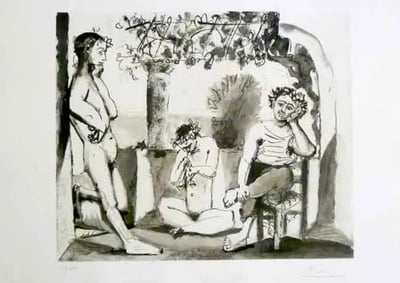
Pablo Picasso
Bacchanale, 1955
Limited Edition Print
Etching and Aquatint
EUR 13,150
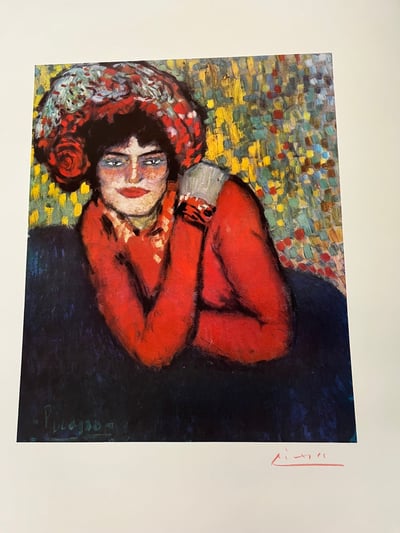
Pablo Picasso
L`Attente, 1966
Limited Edition Print
Lithograph
EUR 6,400

Henry Moore
Album internacional, 1973
Limited Edition Print
Lithograph
EUR 1,150
Related Articles



Patina is the distinctive greenish surface that bronze develops over time due to exposure to air and humidity. Artists can also apply chemicals to bronze to artificially create patina. Alternatively, bronze can be polished to reveal its natural rich gold color. Patina is not exclusive to bronze; it can also occur on other metals like copper and even on wood and stone, enhancing the material's character over time.

The Light and Space Movement refers to loosely affiliated art movements connected to minimalism, geometric abstraction, and op art that originated in Southern California in the 1960s. Greatly influenced by artist John McLaughlin, these artists focused on sensory phenomena such as light, perception, and space as central elements of their work. They also incorporated cutting-edge technologies from the aerospace and engineering industries to develop light-filled and sensuous objects, creating immersive experiences that emphasize the viewer's perception.
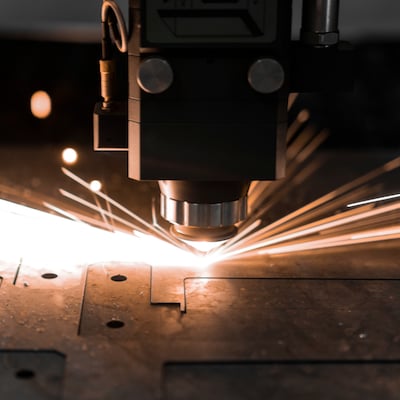
Metalcut was a relief printing technique used primarily in Europe from around 1450 to 1540. The technique involved using thin metal plates. One method involved cutting or hammering away parts of the plate that were not intended to print, while the other method used engraving to create white lines on a black background.
Can't find your Answer?
Thank you! Your question has been sent — we'll get back to you shortly.
