
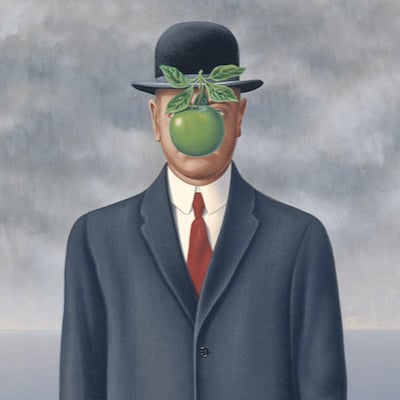
What is Surrealism?
- Show All
- Established
- Discoveries
- Show All
Artworks Related to Surrealism

Joan Miró
Le Bagnard - M594 , 1969
Limited Edition Print
Lithograph
USD 7,450

Joan Miró
Maravillas - M1055
Limited Edition Print
Lithograph
USD 6,250

Joan Miró
Le Roi des lapins, 1981
Limited Edition Print
Etching and Aquatint
Currently Not Available
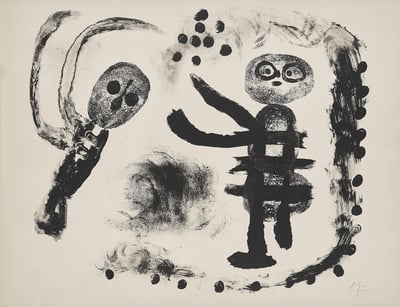
Joan Miró
Petite Fille au Bois, 1958
Limited Edition Print
Lithograph
EUR 3,750

Joan Miró
Passage de L´Egyptienne 2, 1985
Limited Edition Print
Etching
EUR 6,600
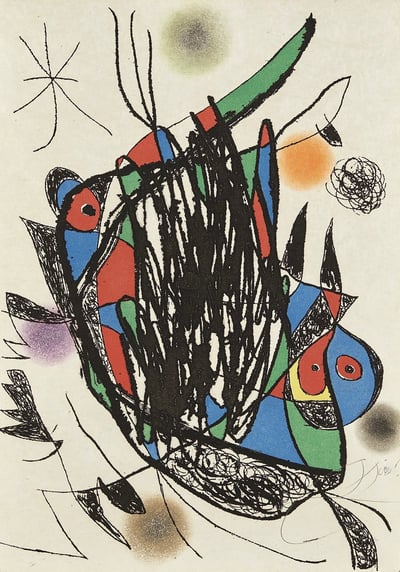
Joan Miró
Passage De L'Egyptienne 5, 1985
Limited Edition Print
Etching and Aquatint
EUR 7,200

Joan Miró
Passage De L'Egyptienne 3, 1985
Limited Edition Print
Etching
EUR 6,600
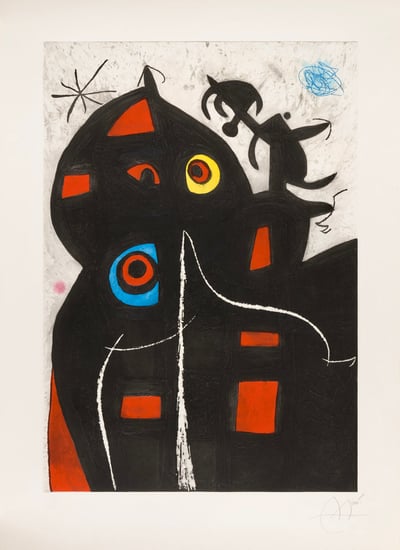
Joan Miró
Pantagruel, 1978
Limited Edition Print
Etching and Aquatint
EUR 30,000

Joan Miró
La chevelure De Bérénice II, 1963
Limited Edition Print
Etching and Aquatint
EUR 6,250

Joan Miró
Miró 1959-1961, 1959
Limited Edition Print
Aquatint
EUR 2,250

Joan Miró
Fusées 1, 1959
Limited Edition Print
Etching
EUR 8,400

Joan Miró
Gravures Pour Une Exposition , 1973
Limited Edition Print
Etching and Aquatint
EUR 10,800
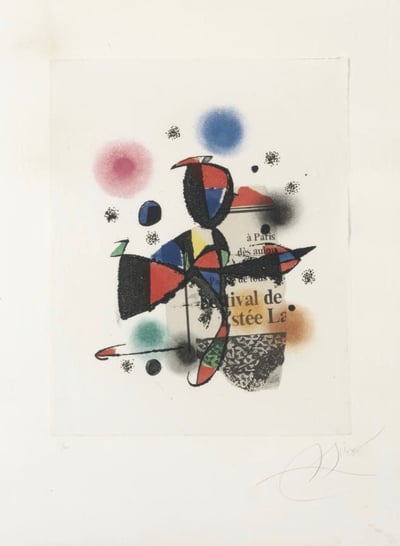
Joan Miró
Gaudi XV, 1979
Limited Edition Print
Etching and Aquatint
EUR 9,600

Joan Miró
El Aguador I, 1962
Limited Edition Print
Aquatint
EUR 5,000

Joan Miró
Derrière Le Miroir, Nº 119., 1960
Limited Edition Print
Lithograph
EUR 5,000

Joan Miró
Passage De L'Egyptienne 4, 1985
Limited Edition Print
Etching and Aquatint
EUR 7,200
Related Articles

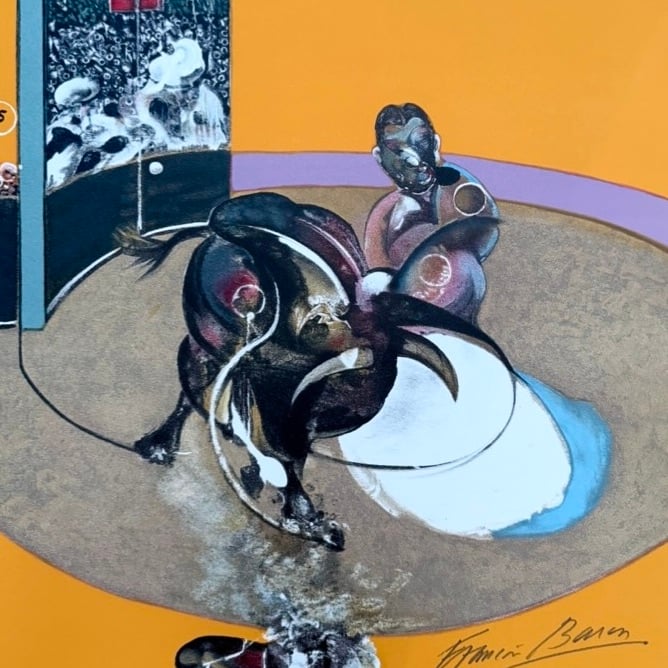


Sand consists of loose grains of material primarily made up of minerals like quartz, mica, and feldspar, as well as small fragments of rocks. Sand paintings are created by pouring colored sand into intricate designs, often for cultural rituals or special celebrations. These designs can take many days to complete and are traditionally brushed away after the ceremony, emphasizing the impermanence of the artwork.
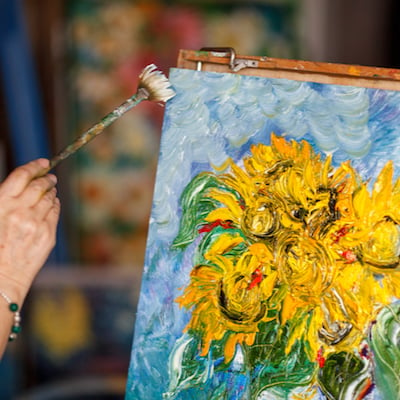
Oil paint is a slow-drying type of paint made from pigment particles suspended in a drying oil, typically linseed oil. The viscosity of the paint can be adjusted by adding a solvent like turpentine, and varnish can be added to increase the glossiness of the dried paint film. Oil painting has been used since the 12th century in Europe, initially for decoration, but it was not widely adopted as a primary painting medium until the 15th century.
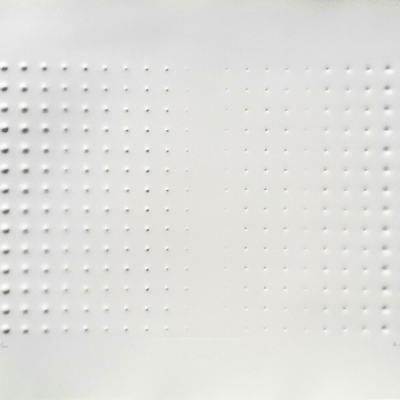
Relief printing is a printmaking process where the design to be printed is etched or cut into a surface, leaving only the raised areas to transfer ink. The non-printing areas are removed, so only the design is inked and printed. Common relief printing techniques include woodcut, linocut, and wood engraving.
Can't find your Answer?
Thank you! Your question has been sent — we'll get back to you shortly.
