
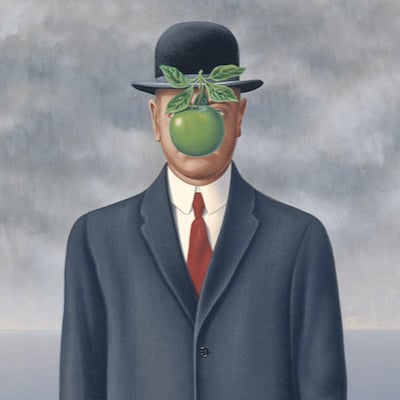
What is Surrealism?
- Show All
- Established
- Discoveries
- Show All
Artworks Related to Surrealism
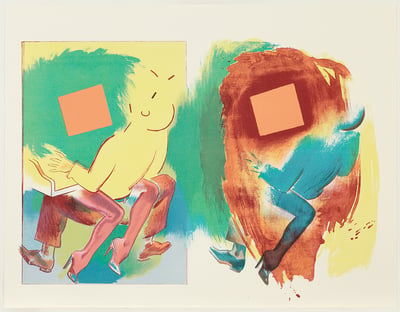
Allen Jones
Two Part Invention, 2012
Limited Edition Print
Lithograph
EUR 2,500

Allen Jones
Study for Night Fever, 1990
Drawing / Watercolor
Pencil
EUR 8,500

Allen Jones
Swing Low, 2012
Limited Edition Print
Lithograph
EUR 2,500

Allen Jones
Gentlemen, 2012
Limited Edition Print
Lithograph
EUR 2,500
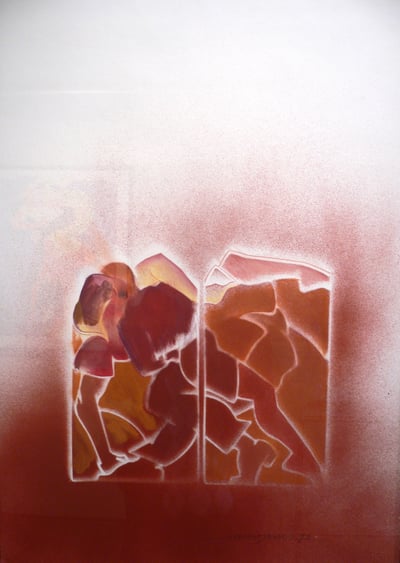
Allen Jones
Dancing Gate, 1993
Limited Edition Print
Mixed Media
EUR 12,000
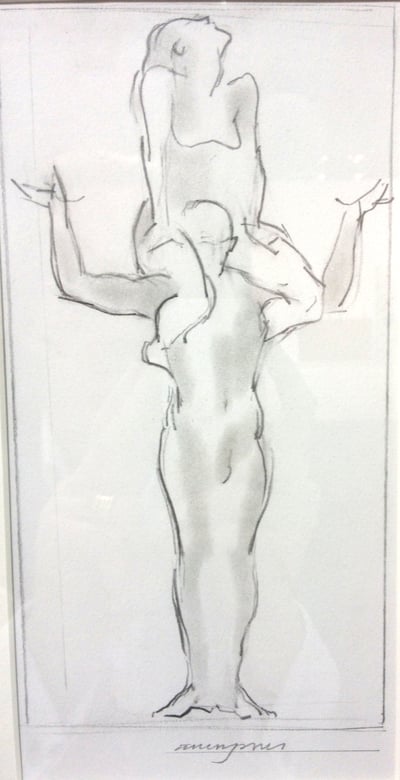
Allen Jones
Cascade, 1999
Drawing / Watercolor
Pencil
EUR 8,500

Allen Jones
Just Like That, 2012
Limited Edition Print
Lithograph
EUR 2,500
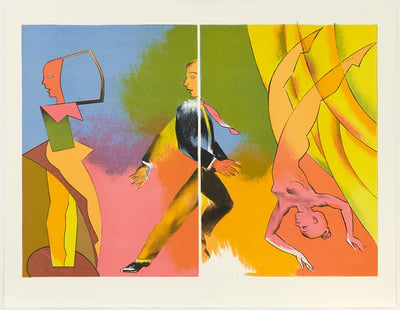
Allen Jones
Split Performance, 2012
Limited Edition Print
Lithograph
EUR 2,500
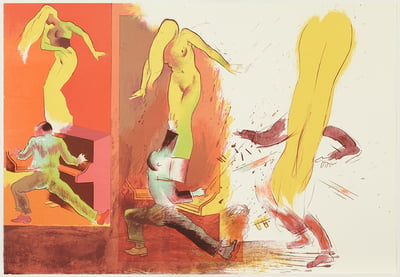
Allen Jones
Second Thought, 2012
Limited Edition Print
Lithograph
EUR 2,500

Allen Jones
Maitresse I, 2016
Limited Edition Print
Screen-print
EUR 2,800

Antonio Saura
Tu Cabello Es Amarillo, 1962
Limited Edition Print
Serigraph
EUR 2,250

Antonio Saura
7, Moi, Planche 7, 1976
Limited Edition Print
Serigraph
EUR 1,875

Antonio Saura
El Perro De Goya I, 1972
Limited Edition Print
Serigraph
EUR 1,875

Antonio Saura
Rompecabezas, 1984
Limited Edition Print
Mixed Media
EUR 3,125

Antonio Saura
L'Envie, 1994
Limited Edition Print
Mixed Media
EUR 1,150

Antonio Saura
1. Crucifixion, 1991
Limited Edition Print
Mixed Media
EUR 1,875
Related Articles



Site-Specific Art is a form of artwork created to exist in a particular location, with the artist considering the site as an integral part of the creative process. Robert Irwin was a key figure in promoting this art form in California. Site-Specific Art emerged as a reaction against modernist objects, which were often portable, commodified, and confined to museum spaces. In contrast, Site-Specific Art is inherently tied to its location, challenging the traditional notions of art as a transportable and marketable commodity.

This Italian art movement includes artists from Italy, Belgium, and France who are known for creating public installations using recyclable plastic to craft massive animal sculptures. The artwork explores the rupture between the synthetic and natural worlds, with the plastic construction symbolizing the synthetic, and the animal forms representing the natural world.
A Happening is a term used to describe artistic and theatrical events held by artists in the 1950s and 60s. These events were typically staged in gallery installations or planned environments and often involved audience participation, along with elements like lighting, sounds, and slide projections. Happenings were a precursor to performance art, which later included the active participation of the artists themselves.
Can't find your Answer?
Thank you! Your question has been sent — we'll get back to you shortly.
