
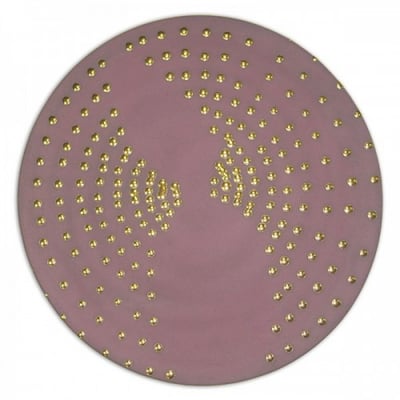
What is the Zero Movement?
- Show All
- Established
- Discoveries
- Show All
Artworks Related to Zero Movement

Luis Tomasello
S/T 3 - Naranja, 2013
Limited Edition Print
Lithograph
EUR 3,000

Luis Tomasello
S/T 2 - Verde, 2013
Limited Edition Print
Lithograph
EUR 3,000

Luis Tomasello
S/T 2 - Rosa, 2013
Limited Edition Print
Lithograph
EUR 3,000
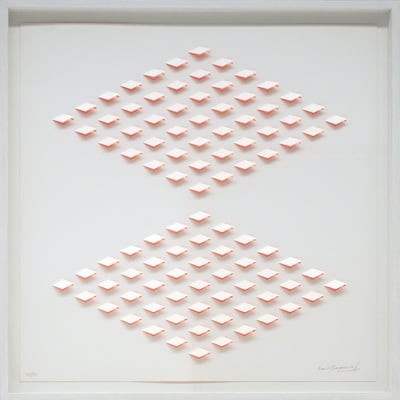
Luis Tomasello
S/T 2 - Naranja , 2013
Limited Edition Print
Lithograph
EUR 3,000

Luis Tomasello
S/T 1 - Rosa , 2013
Limited Edition Print
Lithograph
EUR 3,000

Luis Tomasello
S/T 1 - Naranja , 2013
Limited Edition Print
Lithograph
EUR 3,000

Antoni Tapies
Poligrafa XV Anys , 1980
Limited Edition Print
Lithograph
EUR 1,700

Antoni Tapies
Oval i blanc , 1982
Limited Edition Print
Etching
EUR 3,300
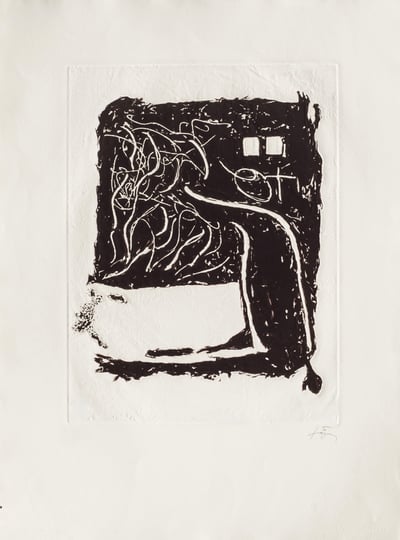
Antoni Tapies
Aparicions-9 , 1982
Limited Edition Print
Etching
EUR 3,300

Antoni Tapies
Aparicions-7 , 1982
Limited Edition Print
Etching
EUR 3,300

Antoni Tapies
Aparicions-4 , 1982
Limited Edition Print
Etching
EUR 2,500
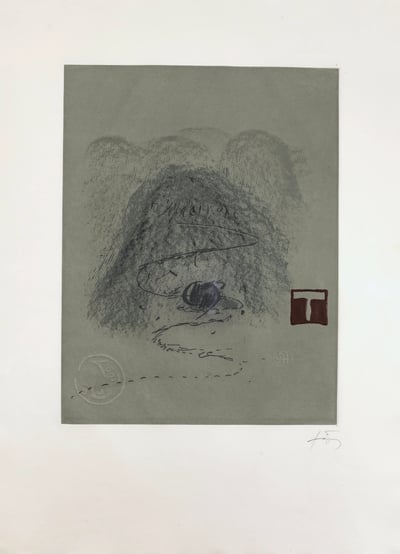
Antoni Tapies
Aparicions-3 , 1982
Limited Edition Print
Etching
EUR 3,300

Antoni Tapies
Aparicions-1 , 1982
Limited Edition Print
Etching
EUR 3,300
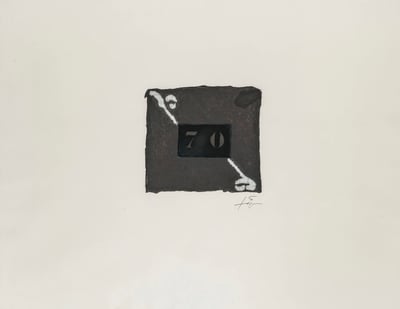
Antoni Tapies
70, 1973
Limited Edition Print
Mixed Media
EUR 3,300
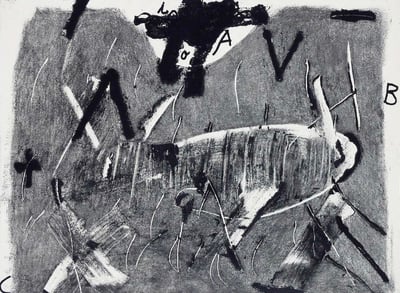
Antoni Tapies
Lletres i gris , 1976
Limited Edition Print
Etching
EUR 4,000
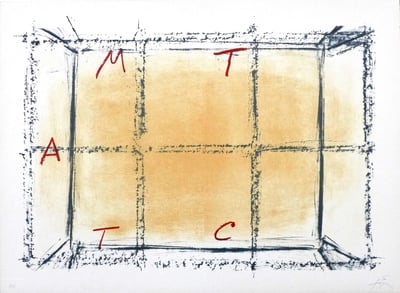
Antoni Tapies
Llambrec-18 , 1975
Limited Edition Print
Lithograph
EUR 1,800
Related Articles

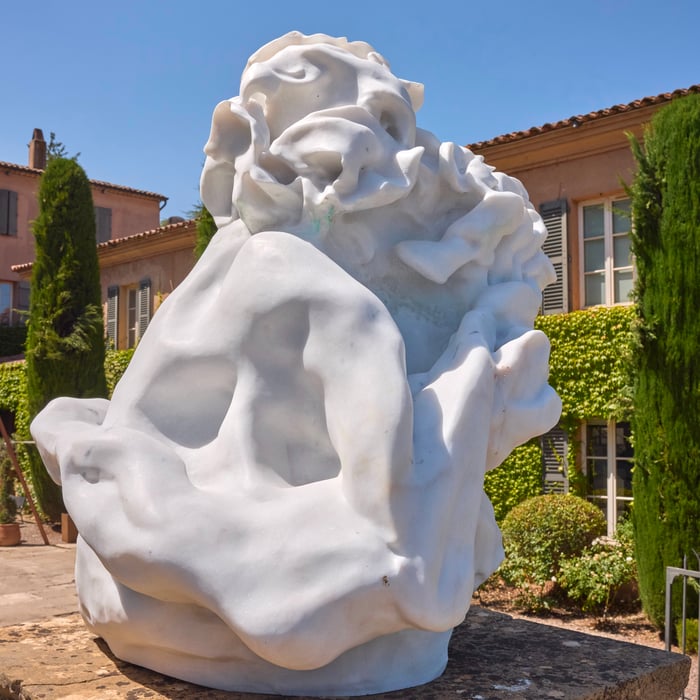


Site-Specific Art is a form of artwork created to exist in a particular location, with the artist considering the site as an integral part of the creative process. Robert Irwin was a key figure in promoting this art form in California. Site-Specific Art emerged as a reaction against modernist objects, which were often portable, commodified, and confined to museum spaces. In contrast, Site-Specific Art is inherently tied to its location, challenging the traditional notions of art as a transportable and marketable commodity.

EAT (Experiments in Art and Technology) was a movement formed to foster collaborations between engineers and artists. It facilitated direct, person-to-person connections between these two groups. The movement was originally launched in 1967 by artists Robert Whitman and Robert Rauschenberg, along with engineers Fred Waldhauer and Billy Klüver. EAT carried out various projects and activities that expanded the role of artists in contemporary society, encouraging the integration of art and technology.

A foundry is a place where metal is melted and shaped to create sculptures. Artists bring their completed wax sculptures to the foundry, where molds are made in the same shape. The foundry then uses these molds to cast the sculpture in metal, often resulting in a finished metal artwork.
Can't find your Answer?
Thank you! Your question has been sent — we'll get back to you shortly.
