
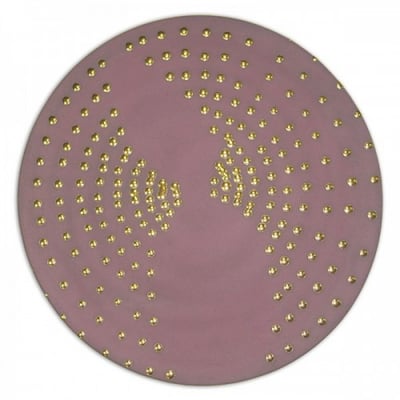
What is the Zero Movement?
- Show All
- Established
- Discoveries
- Show All
Artworks Related to Zero Movement
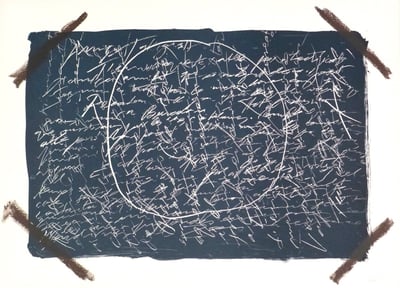
Antoni Tapies
Llambrec-16 , 1975
Limited Edition Print
Lithograph
EUR 2,000

Antoni Tapies
Llambrec-13 , 1975
Limited Edition Print
Lithograph
EUR 2,000
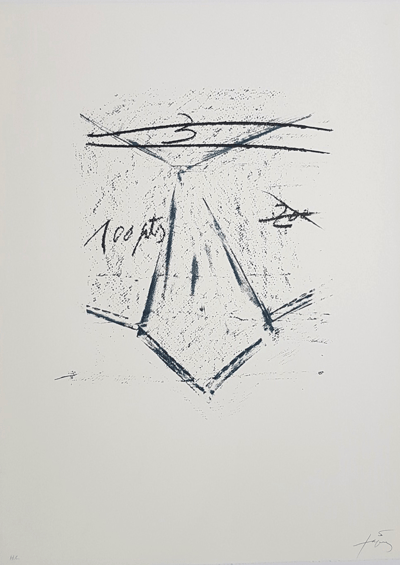
Antoni Tapies
Llambrec-12 , 1975
Limited Edition Print
Lithograph
EUR 1,500
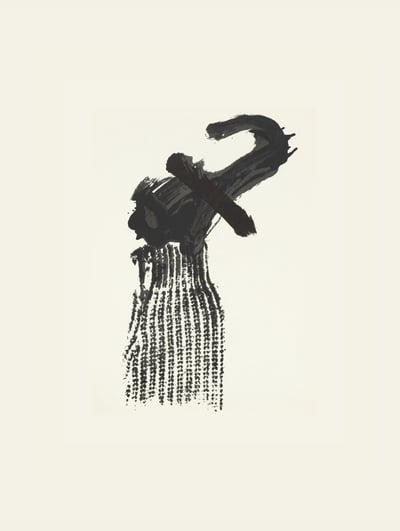
Antoni Tapies
Llambrec-10 , 1975
Limited Edition Print
Lithograph
EUR 1,500

Antoni Tapies
Llambrec-9 , 1975
Limited Edition Print
Lithograph
EUR 1,200
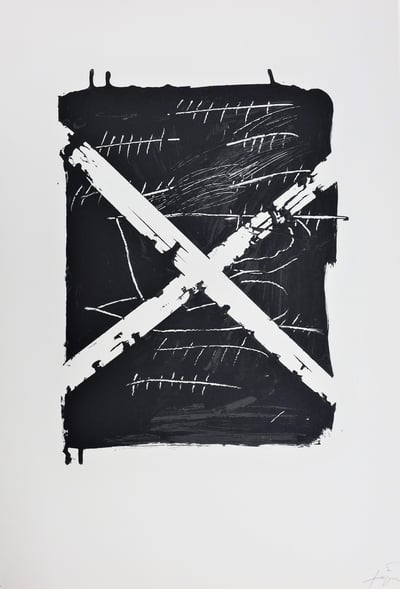
Antoni Tapies
Llambrec-8 , 1975
Limited Edition Print
Lithograph
EUR 1,500
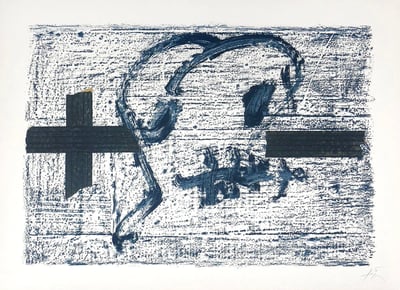
Antoni Tapies
Llambrec-7 , 1975
Limited Edition Print
Lithograph
EUR 2,000

Antoni Tapies
Llambrec-6 , 1975
Limited Edition Print
Lithograph
EUR 1,200
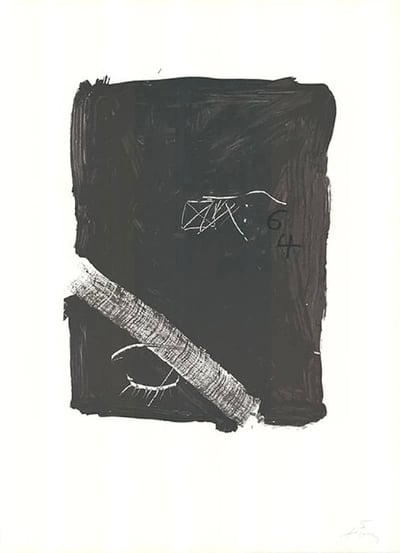
Antoni Tapies
Llambrec-5 , 1975
Limited Edition Print
Lithograph
EUR 1,500

Antoni Tapies
Llambrec-4 , 1975
Limited Edition Print
Lithograph
EUR 1,200

Antoni Tapies
Llambrec-3 , 1975
Limited Edition Print
Lithograph
EUR 1,500
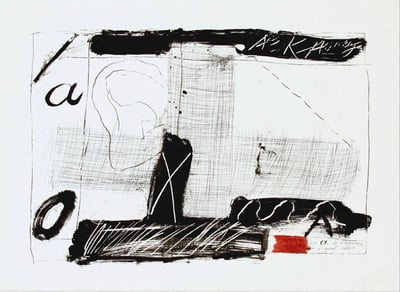
Antoni Tapies
Llambrec-2 , 1975
Limited Edition Print
Lithograph
EUR 2,200

Antoni Tapies
Llambrec-1 , 1975
Limited Edition Print
Lithograph
EUR 1,500
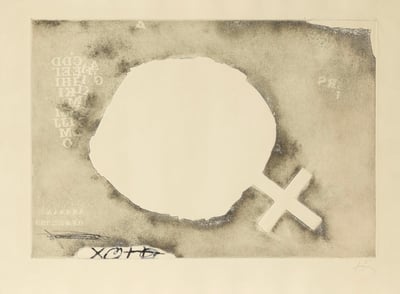
Antoni Tapies
Paper Cremat , 1975
Limited Edition Print
Etching
EUR 5,000

Antoni Tapies
Clau-19 , 1973
Limited Edition Print
Etching
EUR 2,600
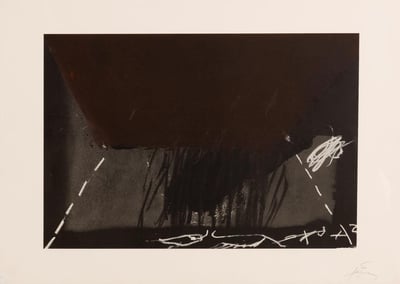
Antoni Tapies
Clau-12 , 1973
Limited Edition Print
Lithograph
EUR 1,600
Related Articles

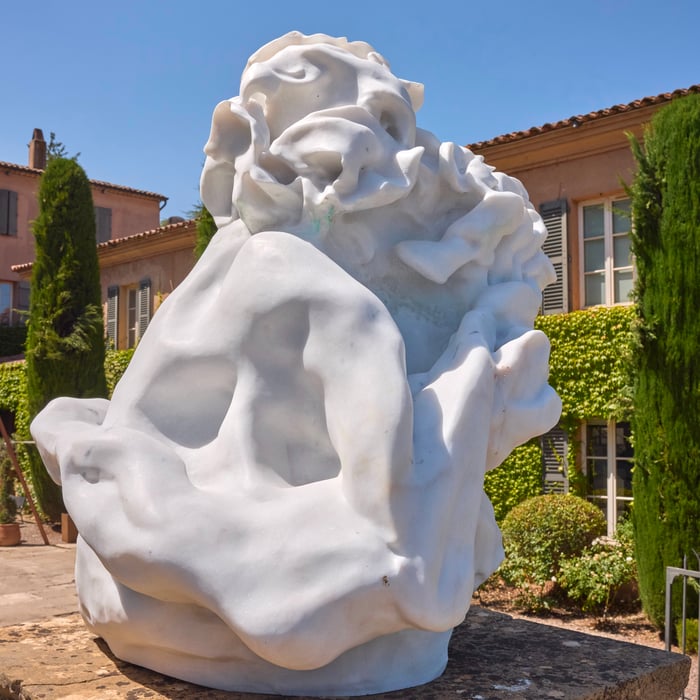
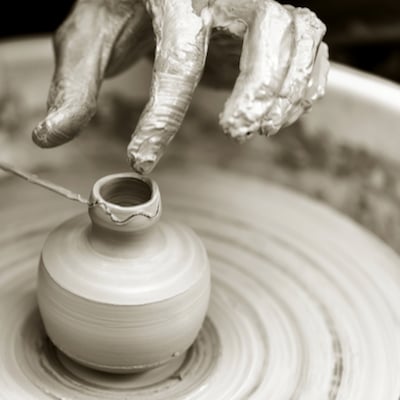
Ceramics is an art form that involves creating objects from clay. The clay is shaped, molded, and formed by hand or with specialized tools, then baked (or fired) in a high-temperature oven called a kiln. Decorative colors and special glazes can be applied to the surface, which are then fired again to finish the piece.

Hypermodernism is a cultural and artistic movement that emerged in the late 20th and early 21st centuries, characterized by an intense embrace of technology and a focus on speed, complexity, and the future. This movement often challenges traditional modernist values by emphasizing hyper-reality, where the boundaries between reality and virtuality blur. Hypermodernism is evident in architecture, design, and visual arts, where artists and creators use advanced digital tools and futuristic aesthetics to explore themes of globalization, identity, and the impact of technology on society.

Glass is a transparent solid that varies in composition depending on the type. Artists use different types of glass to create art forms such as stained glass, blown glass, and various decorated pieces. Glass can be cut, textured, overlaid, engraved, and shaped in many ways to produce intricate and beautiful works of art.
Can't find your Answer?
Thank you! Your question has been sent — we'll get back to you shortly.
