
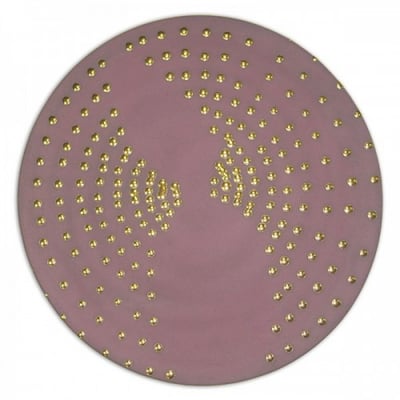
What is the Zero Movement?
- Show All
- Established
- Discoveries
- Show All
Artworks Related to Zero Movement

Arnulf Rainer
Body Pose III, 1971 - 1975
Limited Edition Print
Mixed Media
EUR 3,800

Arnulf Rainer
Body Pose II, 1971 - 1975
Limited Edition Print
Mixed Media
EUR 3,800
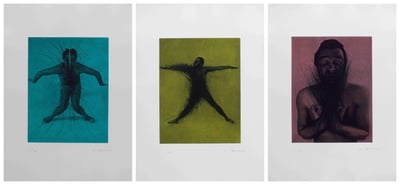
Arnulf Rainer
Body Poses, 1971/72, 1971 - 1975
Limited Edition Print
Mixed Media
EUR 12,000

Arnulf Rainer
Kosmos II (violett), 2003
Limited Edition Print
Drypoint
Currently Not Available
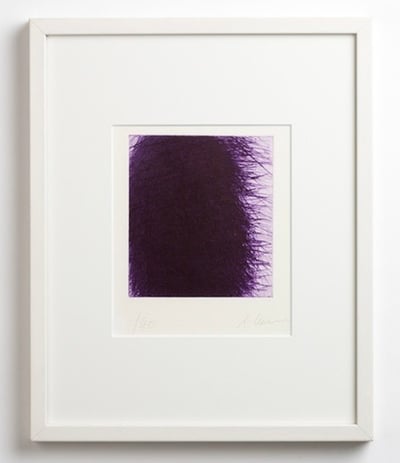
Arnulf Rainer
lila Wald, 2001
Limited Edition Print
Drypoint
Currently Not Available

Antoni Tapies
Memoria Personal, 1988
Limited Edition Print
Lithograph
EUR 2,800
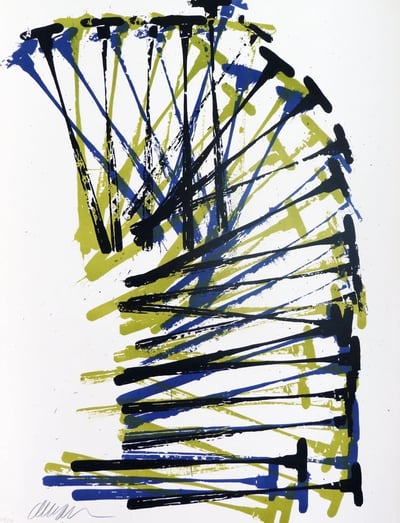
Fernandez Arman
Aesculapius hammer, 1977
Limited Edition Print
Lithograph
EUR 640
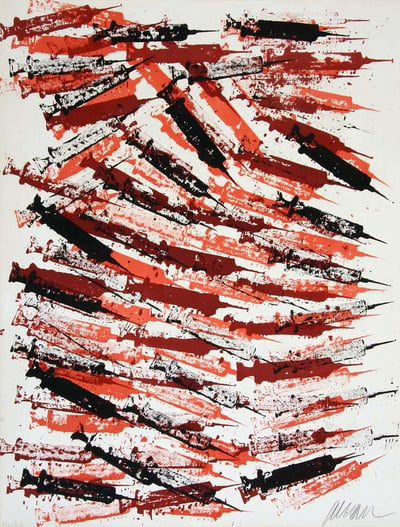
Fernandez Arman
Hypored, 1977
Limited Edition Print
Lithograph
EUR 640
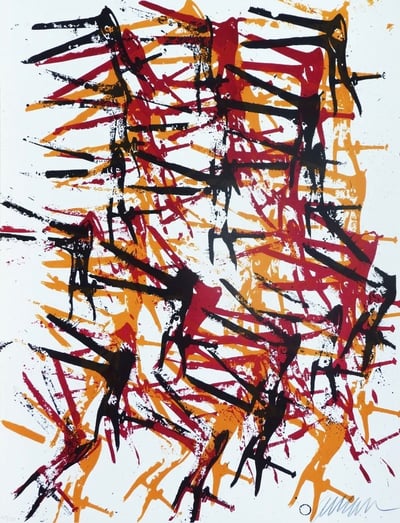
Fernandez Arman
Inside story, 1977
Limited Edition Print
Lithograph
EUR 640
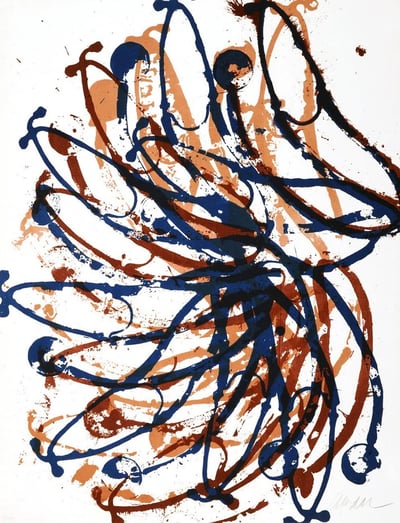
Fernandez Arman
Rien ne bat plus, 1977
Limited Edition Print
Lithograph
EUR 640

Ben Vautier
Tout est survie , 1994
Painting
Acrylic on canvas
EUR 17,900
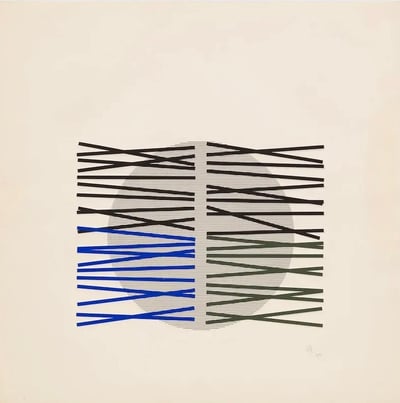
Rafael Jesus Soto
Untitled (circles and lines), 1970
Limited Edition Print
Screen-print
EUR 3,750
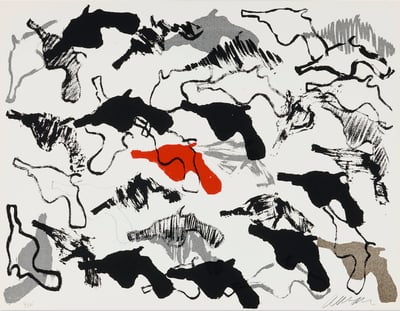
Fernandez Arman
Boom Boom, 1966
Limited Edition Print
Screen-print
Inquire For Price

Rafael Jesus Soto
Composición, 1971
Limited Edition Print
Silkscreen
EUR 3,125
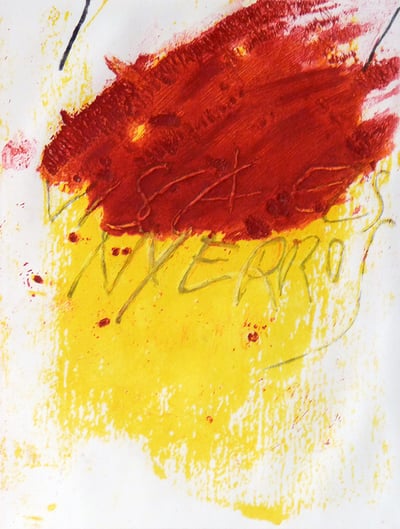
Antoni Tapies
Clau 18, 1973
Limited Edition Print
Etching
EUR 3,700

Antoni Tapies
Roig i negre I, 1985
Limited Edition Print
Etching
EUR 11,900
Related Articles


Lettrism is an art form that uses letters, words, and symbols to create artwork. The movement was established in Paris in the 1940s and later gained popularity in the 1950s in America. Lettrisme is the French spelling of the movement's name, derived from the French word for letter.
Attribute can function as both a noun and a verb. As a noun, it refers to an object, symbol, or animal commonly associated with a specific person, often used in art to identify figures, such as a lion with St. Mark. As a verb, it means to assign a work of art to a particular artist, usually based on stylistic analysis or other evidence, such as attributing a painting to an artist based on its technique and composition.

Nouveau Réalisme is an artistic movement founded in 1960 by art critic Pierre Restany and painter Yves Klein during a collective exhibition at a gallery in Milan. Restany wrote the original manifesto in April 1960, proclaiming the movement. In October of that year, nine artists, including Martial Raysse, Yves Klein, Daniel Spoerri, Jean Tinguely, Arman, Pierre Restany, and three Ultra-Lettrists—Jacques de la Villeglé, François Dufrêne, and Raymond Hains—signed the declaration. In 1961, the movement expanded to include Mimmo Rotella, Niki de Saint Phalle, Gérard Deschamps, and César. The movement emphasized a return to reality in art, often incorporating everyday objects and exploring the boundaries between art and life.
Can't find your Answer?
Thank you! Your question has been sent — we'll get back to you shortly.
