
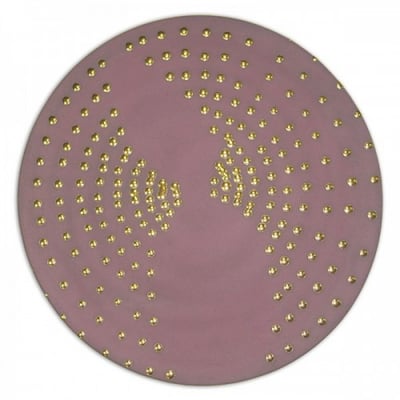
What is the Zero Movement?
- Show All
- Established
- Discoveries
- Show All
Artworks Related to Zero Movement

Antoni Tapies
Damunt diari, 1975
Limited Edition Print
Etching
EUR 4,250
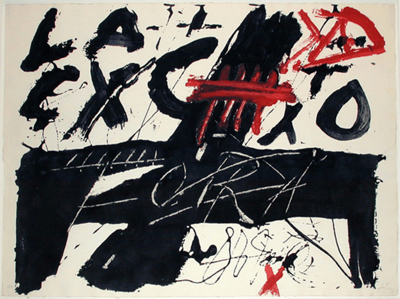
Antoni Tapies
Fora, 1976
Limited Edition Print
Mixed Media
EUR 5,450

Gunther Uecker
Baum. Kunstpranger, 1984
Sculpture / Object
Mixed Media
EUR 10,800

Dadamaino
Il movimento delle cose, 1994
Drawing / Watercolor
Pen and ink
EUR 8,350

Rafael Jesus Soto
Espiral Doble, 1979
Sculpture / Object
Mixed Media
USD 8,950

Rafael Jesus Soto
Escritura, 1979
Sculpture / Object
Mixed Media
USD 8,950
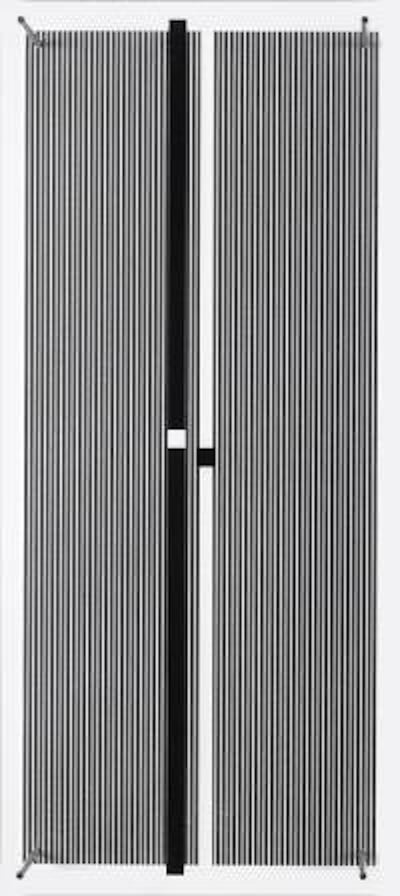
Rafael Jesus Soto
Permutacion, 1979
Sculpture / Object
Mixed Media
USD 8,950

Rafael Jesus Soto
La Escalera Azul , 1979
Sculpture / Object
Mixed Media
USD 8,950

Rafael Jesus Soto
Sotomagie II, 1967
Sculpture / Object
Mixed Media
USD 8,950

Ben Vautier
Regardez ailleurs, c. 1980
Limited Edition Print
Lithograph
EUR 1,750

Ben Vautier
N’importe qui peut avoir une idée, c. 1980
Limited Edition Print
Lithograph
Currently Not Available

Alberto Biasi
Red Rain, 2022
Sculpture / Object
Mixed Media
EUR 3,000

Alberto Biasi
Rilievo ottico cinetico, 1972
Limited Edition Print
Screen-print
EUR 1,900
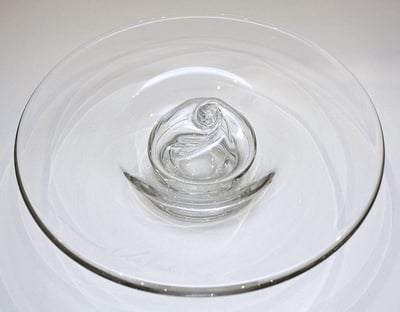
Gunther Uecker
Jahresteller, 1975
Sculpture / Object
Glass
EUR 1,620

Antoni Tapies
Llambrec-11, 1975
Limited Edition Print
Lithograph
EUR 1,800

Antoni Tapies
Poems 5, 1974
Limited Edition Print
Lithograph
EUR 1,900
Related Articles


Tempera is a paint traditionally made by mixing colored pigments with egg yolk. It dries quickly and is highly durable, with some examples dating back to 100 AD still in existence. Modern tempera paint often uses glue size as a binder instead of egg yolk. Tempera is known for its bright colors and fine, detailed application, making it popular for panel paintings and icons.

New British Sculpture is the name referring to the work produced by a group of sculptors, installation artists, and other creators who exhibited together in London during the 1980s. This group included artists like Richard Deacon, Richard Wentworth, and Tony Cragg. Tim Woods helped define this movement by identifying four major themes: the blending of kitsch and pop culture, the use of UK urban waste in a bricolage style, the assignment of new meanings to everyday objects, and a playful approach using wit and humor.
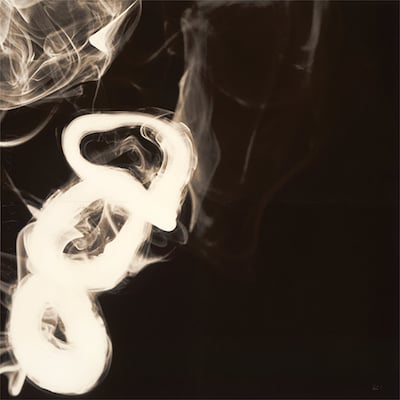
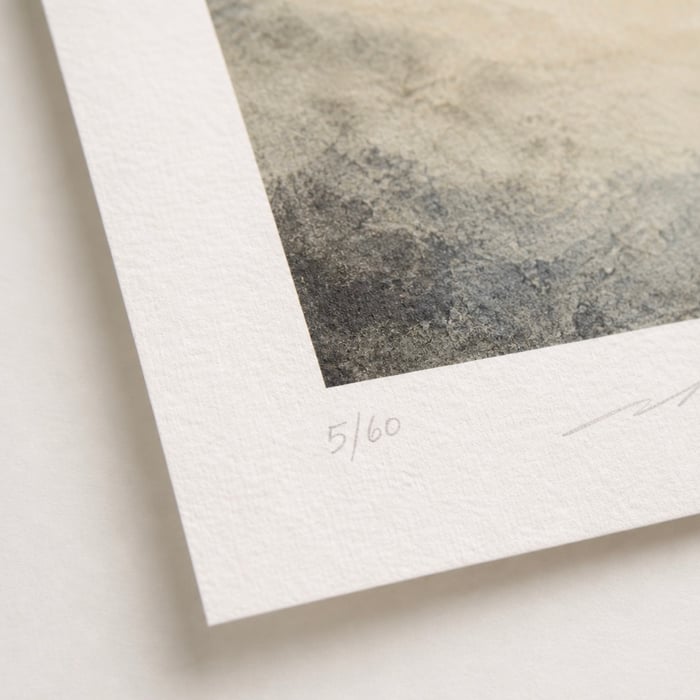
An archival print refers to a fine art reproduction of museum quality, created using the highest quality materials and methods. These prints are produced on the finest papers and with inks specifically designed to resist color fading over time. Drawings and paintings are reproduced using a fine art printer with exceptionally high resolution, ensuring longevity and preservation of the artwork.
Can't find your Answer?
Thank you! Your question has been sent — we'll get back to you shortly.
