
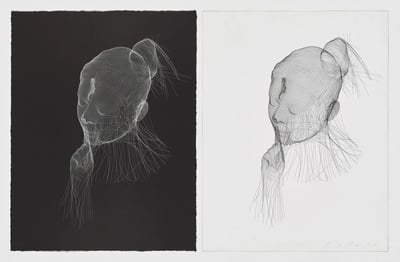
Track III, 2016
Form
Medium
Size
- Inches
- Centimeters
Edition
Price
- Authenticity Guaranteed
- Insured Shipping
- Online Since 2005
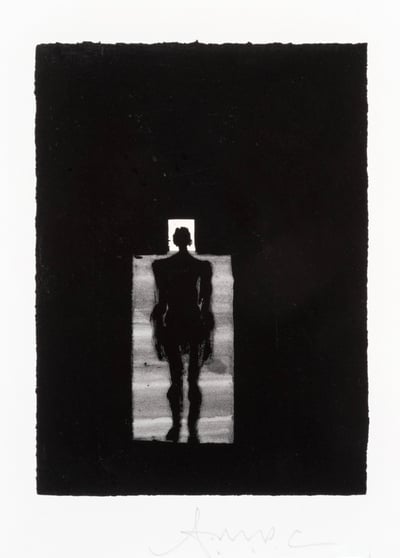
Antony Gormley
Room, 2008
Limited Edition Print
Digital Print on paper
GBP 2,500 - 3,200
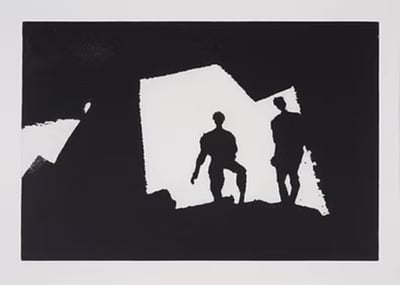
Antony Gormley
From The Cave, 2010
Limited Edition Print
Mixed Media
GBP 3,500 - 4,500
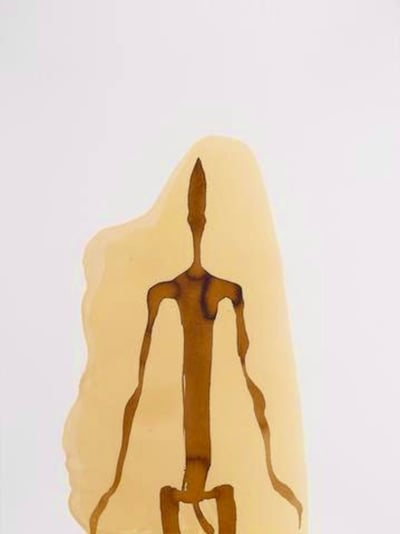
Antony Gormley
Insiders No7, 1998
Painting
Mixed Media
GBP 19,500 - 25,000
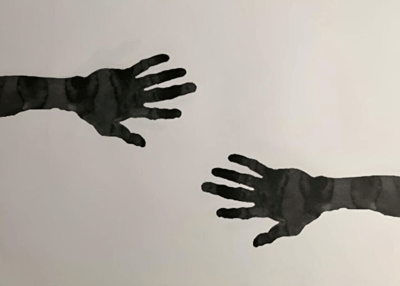
Antony Gormley
Hands, 2005
Limited Edition Print
Lithograph
GBP 1,550

Antony Gormley
Free, 2019
Limited Edition Print
Lithograph
Currently Not Available

Antony Gormley
Matrix X, 2016
Limited Edition Print
Aquatint
Currently Not Available
Available works by Antony Gormley
See all →Antony Gormley
Room, 2008
Limited Edition Print
Digital Print on paper
GBP 2,500 - 3,200
Antony Gormley
From The Cave, 2010
Limited Edition Print
Mixed Media
GBP 3,500 - 4,500
Antony Gormley
Insiders No7, 1998
Painting
Mixed Media
GBP 19,500 - 25,000
Antony Gormley
Hands, 2005
Limited Edition Print
Lithograph
GBP 1,550
Related Artists

What is geometric abstract art?
Geometric abstraction is a form of abstract art that uses geometric shapes arranged in a non-illusionistic space (though not always) and combined into non-representational (non-objective) compositions. Based on years of artistic research, some artists have proposed that geometric abstraction offers a solution to modern challenges by rejecting traditional illusionistic practices in favor of clarity and simplicity.


