
Composition géométrique, c. 1970
Form
Medium
Size
- Inches
- Centimeters
Edition
Price
- Authenticity Guaranteed
- Insured Shipping
- Online Since 2005

Geneviève Claisse
Lignes, 2000
Painting
Acrylic on canvas
EUR 3,500

Geneviève Claisse
Cercle Noir et Vert, 2016
Sculpture / Object
Mixed Media
EUR 2,500

Geneviève Claisse
Cercle Rouge et Noir, 1968-1972
Sculpture / Object
Mixed Media
EUR 2,500

Geneviève Claisse
Cercle Blanc et Bleu, 1968-1972
Sculpture / Object
Mixed Media
EUR 2,500

Geneviève Claisse
Cercles Blancs, 1968/2014
Sculpture / Object
Mixed Media
EUR 2,000

Geneviève Claisse
Linear sculpture, 1982
Sculpture / Object
Mixed Media
EUR 3,000
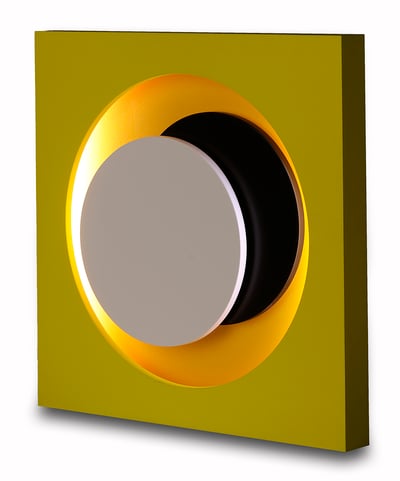
Geneviève Claisse
Cercles jaune, 1968-2014
Sculpture / Object
Mixed Media
EUR 2,500

Geneviève Claisse
Cercles vert, 1968-2014
Sculpture / Object
Mixed Media
EUR 2,500
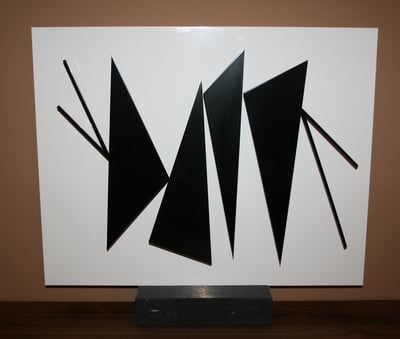
Geneviève Claisse
Ryph, 1966
Sculpture / Object
Mixed Media
EUR 2,500

Geneviève Claisse
Jazz, 1966
Sculpture / Object
Mixed Media
EUR 2,500

Geneviève Claisse
Cercle rouge, 1968-2014
Sculpture / Object
Mixed Media
Currently Not Available

Geneviève Claisse
ADN jaune, 1972-2016
Sculpture / Object
Wood
Currently Not Available
Available works by Geneviève Claisse
See all →Geneviève Claisse
Lignes, 2000
Painting
Acrylic on canvas
EUR 3,500
Geneviève Claisse
Cercle Noir et Vert, 2016
Sculpture / Object
Mixed Media
EUR 2,500
Geneviève Claisse
Cercle Rouge et Noir, 1968-1972
Sculpture / Object
Mixed Media
EUR 2,500
Geneviève Claisse
Cercle Blanc et Bleu, 1968-1972
Sculpture / Object
Mixed Media
EUR 2,500
Geneviève Claisse
Cercles Blancs, 1968/2014
Sculpture / Object
Mixed Media
EUR 2,000
Geneviève Claisse
Linear sculpture, 1982
Sculpture / Object
Mixed Media
EUR 3,000
Related Artists


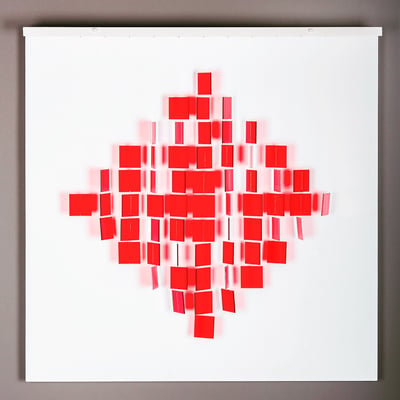

What is geometric abstract art?
Geometric abstraction is a form of abstract art that uses geometric shapes arranged in a non-illusionistic space (though not always) and combined into non-representational (non-objective) compositions. Based on years of artistic research, some artists have proposed that geometric abstraction offers a solution to modern challenges by rejecting traditional illusionistic practices in favor of clarity and simplicity.


