

Cercle rouge, 1968-2014
Form
Medium
Size
- Inches
- Centimeters
Edition
Price
- Authenticity Guaranteed
- Insured Shipping
- Online Since 2005

Geneviève Claisse
Lignes, 2000
Painting
Acrylic on canvas
EUR 3,500

Geneviève Claisse
Cercle Noir et Vert, 2016
Sculpture / Object
Mixed Media
EUR 2,500

Geneviève Claisse
Cercle Rouge et Noir, 1968-1972
Sculpture / Object
Mixed Media
EUR 2,500

Geneviève Claisse
Cercle Blanc et Bleu, 1968-1972
Sculpture / Object
Mixed Media
EUR 2,500

Geneviève Claisse
Cercles Blancs, 1968/2014
Sculpture / Object
Mixed Media
EUR 2,000

Geneviève Claisse
Linear sculpture, 1982
Sculpture / Object
Mixed Media
EUR 3,000
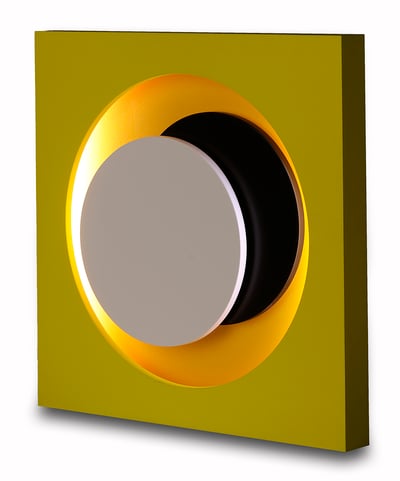
Geneviève Claisse
Cercles jaune, 1968-2014
Sculpture / Object
Mixed Media
EUR 2,500

Geneviève Claisse
Cercles vert, 1968-2014
Sculpture / Object
Mixed Media
EUR 2,500
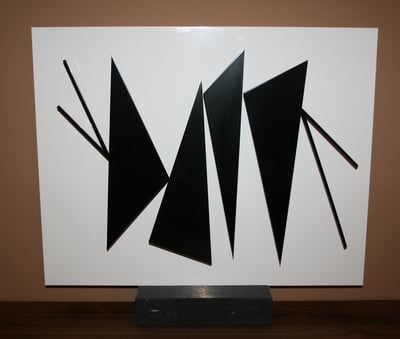
Geneviève Claisse
Ryph, 1966
Sculpture / Object
Mixed Media
EUR 2,500

Geneviève Claisse
Jazz, 1966
Sculpture / Object
Mixed Media
EUR 2,500

Geneviève Claisse
Cercle rouge, 1968-2014
Sculpture / Object
Mixed Media
Currently Not Available

Geneviève Claisse
ADN jaune, 1972-2016
Sculpture / Object
Wood
Currently Not Available
Available works by Geneviève Claisse
See all →Geneviève Claisse
Lignes, 2000
Painting
Acrylic on canvas
EUR 3,500
Geneviève Claisse
Cercle Noir et Vert, 2016
Sculpture / Object
Mixed Media
EUR 2,500
Geneviève Claisse
Cercle Rouge et Noir, 1968-1972
Sculpture / Object
Mixed Media
EUR 2,500
Geneviève Claisse
Cercle Blanc et Bleu, 1968-1972
Sculpture / Object
Mixed Media
EUR 2,500
Geneviève Claisse
Cercles Blancs, 1968/2014
Sculpture / Object
Mixed Media
EUR 2,000
Geneviève Claisse
Linear sculpture, 1982
Sculpture / Object
Mixed Media
EUR 3,000
Related Artists


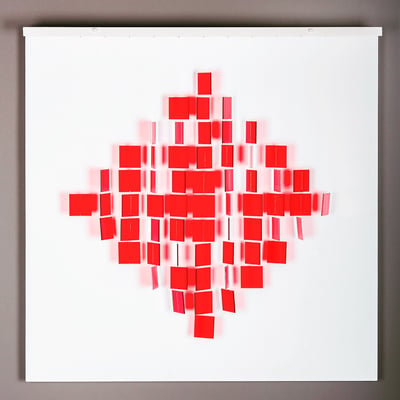
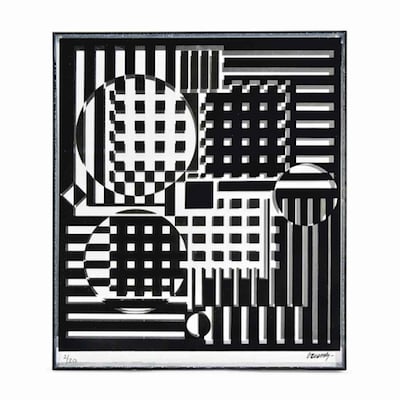
What is Op Art?
Op Art is a visual art style that uses optical illusions to create the impression of movement, vibrating patterns, flashing, or hidden images. The works are typically abstract, with many well-known pieces in black and white. The roots of Op Art can be traced back to earlier movements like Futurism, Constructivism, Dada, and Neo-Impressionism, particularly in their use of color effects and graphic design.



