

Nature Morte Oblique, 1950
Form
Medium
Size
- Inches
- Centimeters
Edition
Price
- Authenticity Guaranteed
- Insured Shipping
- Online Since 2005
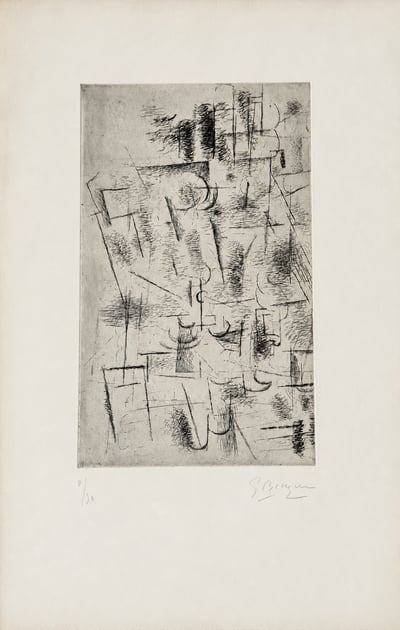
Georges Braque
Still Life with Glass, 1912-1950
Limited Edition Print
Etching
EUR 12,000

Georges Braque
Si je mourais là-bas, 1962
Limited Edition Print
Engraving
USD 3,100

Georges Braque
Les Oiseaux Blancs, 1958
Limited Edition Print
Lithograph
USD 8,000
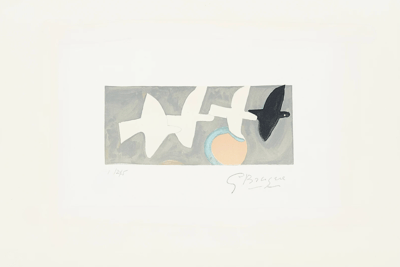
Georges Braque
Quatre Oiseaux, 1959
Limited Edition Print
Lithograph
Inquire For Price

Georges Braque
Le Trèfle, from Lettera Amorosa, 1963
Limited Edition Print
Lithograph
USD 20,000 - 25,000

Georges Braque
Vase de Fleurs Jaunes, c. 1955
Limited Edition Print
Aquatint
EUR 1,900

Georges Braque
La Charrue (The Plow), 1960
Limited Edition Print
Lithograph
EUR 3,900

Georges Braque
Nature Morte, 1933
Limited Edition Print
Lithograph
Inquire For Price

Georges Braque
Les Champs M#1045, 1962
Limited Edition Print
Lithograph
USD 5,000
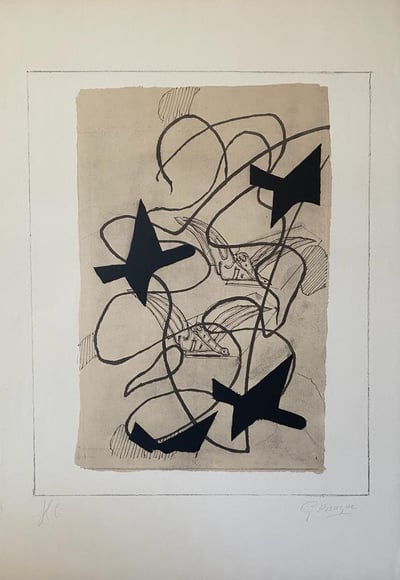
Georges Braque
L'envol
Limited Edition Print
Lithograph
USD 6,250

Georges Braque
Le Lierre #99 , 1955
Limited Edition Print
Etching
USD 4,375

Georges Braque
La Liberte Des Mers (Vallier 143), 1959
Limited Edition Print
Lithograph
USD 4,375

Georges Braque
La Chaise M #1046 , 1962
Limited Edition Print
Lithograph
USD 5,000
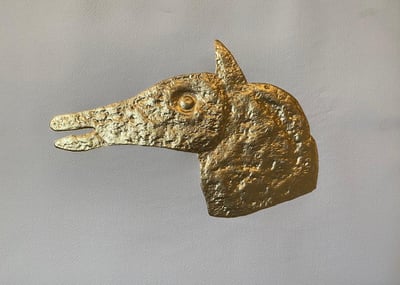
Georges Braque
Aréion (Horse), 1971
Limited Edition Print
Embossing
USD 1,150

Georges Braque
Greek Profile M. 76 – 146, 1960
Limited Edition Print
Lithograph
USD 3,750
Available works by Georges Braque
See all →Georges Braque
Still Life with Glass, 1912-1950
Limited Edition Print
Etching
EUR 12,000
Georges Braque
Si je mourais là-bas, 1962
Limited Edition Print
Engraving
USD 3,100
Georges Braque
Les Oiseaux Blancs, 1958
Limited Edition Print
Lithograph
USD 8,000
Georges Braque
Quatre Oiseaux, 1959
Limited Edition Print
Lithograph
Inquire For Price
Georges Braque
Le Trèfle, from Lettera Amorosa, 1963
Limited Edition Print
Lithograph
USD 20,000 - 25,000
Georges Braque
Vase de Fleurs Jaunes, c. 1955
Limited Edition Print
Aquatint
EUR 1,900
Related Artists



What is Cubism?
Cubism is an art movement that aimed to depict multiple perspectives of objects or figures within a single picture. Artists Georges Braque and Pablo Picasso pioneered this style around 1907. The name Cubism emerged from their use of geometric shapes and outlines that often resembled cubes, breaking objects down into abstracted forms.


