

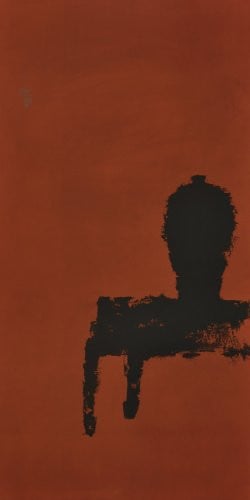
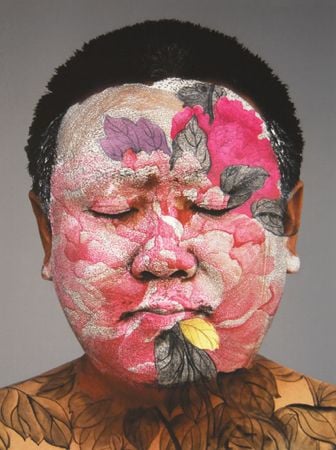
Red , 2008
Form
Medium
Size
- Inches
- Centimeters
Edition
Price
- Authenticity Guaranteed
- Insured Shipping
- Online Since 2005
Huai-Qing Wang
Peace , 2012
Limited Edition Print
Etching
EUR 3,800

Huai-Qing Wang
The Families 2, 2012
Limited Edition Print
Etching
EUR 3,300
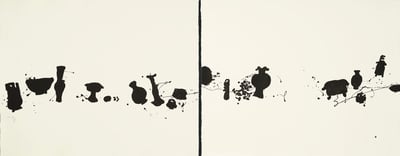
Huai-Qing Wang
The Families 1 , 2012
Limited Edition Print
Etching
EUR 4,300

Huai-Qing Wang
Day Bed-2, 2006
Limited Edition Print
Etching
EUR 4,300
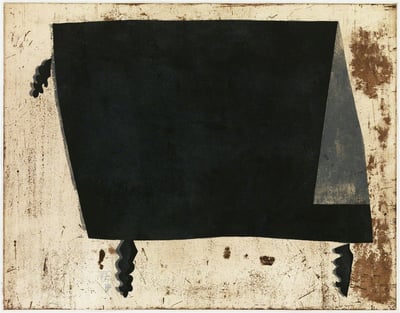
Huai-Qing Wang
Moon Light on the Table , 2008
Limited Edition Print
Etching
EUR 4,300

Huai-Qing Wang
Half Table Half Chair , 2008
Limited Edition Print
Etching
EUR 4,300

Huai-Qing Wang
Searching , 2008
Limited Edition Print
Etching
EUR 4,300

Huai-Qing Wang
A Table in Two Dimension , 2008
Limited Edition Print
Etching
EUR 4,000

Huai-Qing Wang
Another Space , 2002
Limited Edition Print
Etching
EUR 4,300
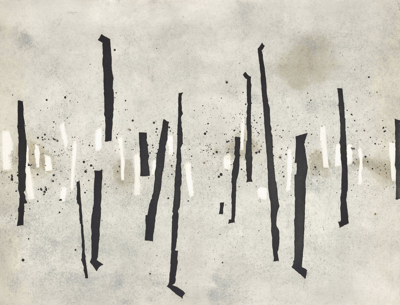
Huai-Qing Wang
Walking , 2006
Limited Edition Print
Etching
EUR 4,300
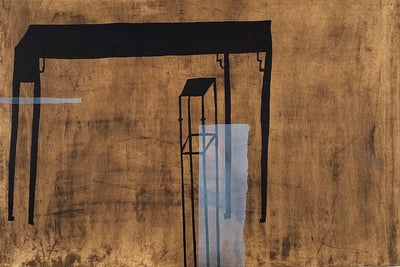
Huai-Qing Wang
Stand , 2008
Limited Edition Print
Etching
Currently Not Available
Available works by Huai-Qing Wang
See all →Huai-Qing Wang
Peace , 2012
Limited Edition Print
Etching
EUR 3,800
Huai-Qing Wang
The Families 2, 2012
Limited Edition Print
Etching
EUR 3,300
Huai-Qing Wang
The Families 1 , 2012
Limited Edition Print
Etching
EUR 4,300
Huai-Qing Wang
Day Bed-2, 2006
Limited Edition Print
Etching
EUR 4,300
Huai-Qing Wang
Moon Light on the Table , 2008
Limited Edition Print
Etching
EUR 4,300
Huai-Qing Wang
Half Table Half Chair , 2008
Limited Edition Print
Etching
EUR 4,300
Related Artists

What is late modernism?
Late Modernism refers to the continuation and evolution of Modernist principles in art, architecture, and literature from the mid-20th century into the late 20th century. This movement maintains a focus on form, abstraction, and the rejection of traditional styles, but it often incorporates more complexity and ambiguity compared to early Modernism. Late Modernism explores themes such as alienation, identity, and the fragmentation of reality, reflecting the social and cultural shifts of the post-war period. It is seen in the works of architects like Louis Kahn and artists like Francis Bacon, who pushed the boundaries of Modernism while responding to the changing world around them.


