

Huai-Qing Wang
© Huai-Qing Wang. All rights reserved.
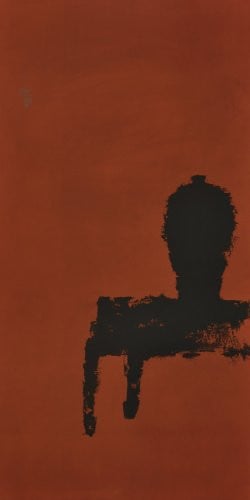
Huai-Qing Wang
Peace , 2012
Limited Edition Print
Etching
EUR 3,800

Huai-Qing Wang
The Families 2, 2012
Limited Edition Print
Etching
EUR 3,300
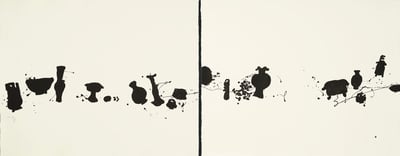
Huai-Qing Wang
The Families 1 , 2012
Limited Edition Print
Etching
EUR 4,300

Huai-Qing Wang
Day Bed-2, 2006
Limited Edition Print
Etching
EUR 4,300
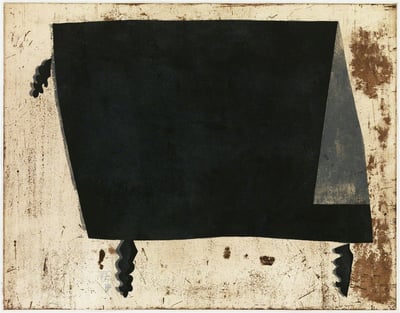
Huai-Qing Wang
Moon Light on the Table , 2008
Limited Edition Print
Etching
EUR 4,300

Huai-Qing Wang
Half Table Half Chair , 2008
Limited Edition Print
Etching
EUR 4,300

Huai-Qing Wang
Searching , 2008
Limited Edition Print
Etching
EUR 4,300

Huai-Qing Wang
A Table in Two Dimension , 2008
Limited Edition Print
Etching
EUR 4,000

Huai-Qing Wang
Another Space , 2002
Limited Edition Print
Etching
EUR 4,300
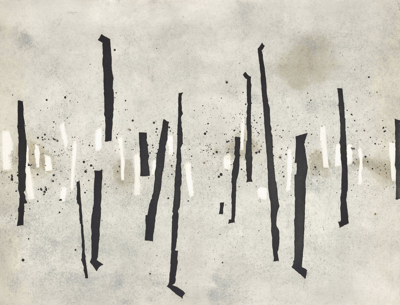
Huai-Qing Wang
Walking , 2006
Limited Edition Print
Etching
EUR 4,300
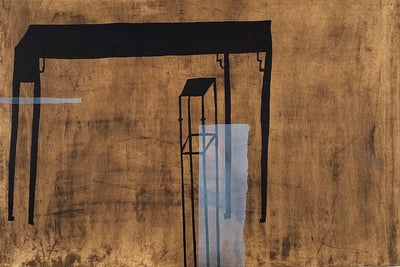
Huai-Qing Wang
Stand , 2008
Limited Edition Print
Etching
Currently Not Available
Related Artists
Related Articles
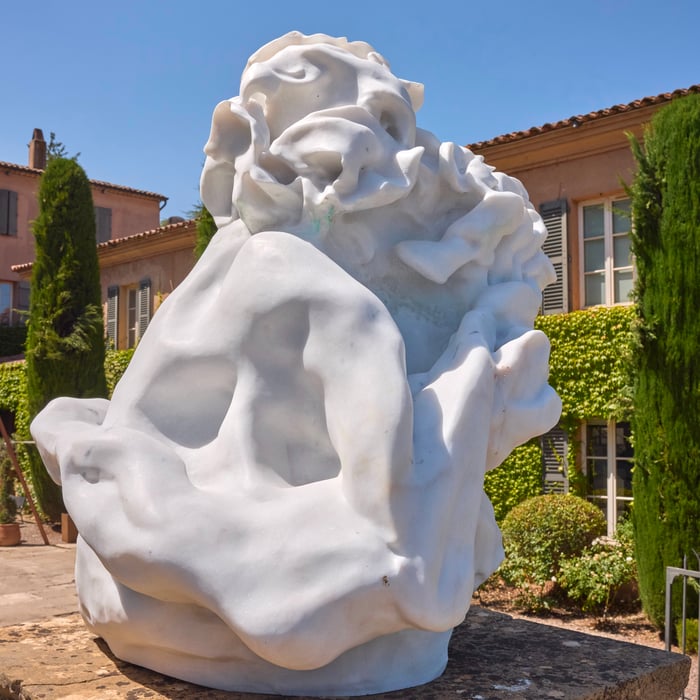
News, Popular, Collecting, Artists - August 12, 2026
In Minor Keys: Finding Intimacy and Identity at the 61st Venice Biennale — and in Your Collection
Explore how Koyo Kouoh’s 61st Venice Biennale vision, In Minor Keys, is shifting contemporary collecting toward quiet introspection, memory, and personal identi…Read More
 Artwork by Roy Lichtenstein
What is late modernism?
Late Modernism refers to the continuation and evolution of Modernist principles in art, architecture, and literature from the mid-20th century into the late 20th century. This movement maintains a focus on form, abstraction, and the rejection of traditional styles, but it often incorporates more complexity and ambiguity compared to early Modernism. Late Mode…
Explore »

