

Huai-Qing Wang
© Huai-Qing Wang. All rights reserved.
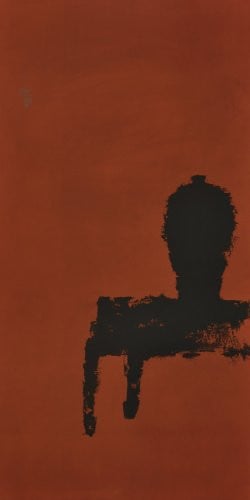
Huai-Qing Wang
Peace , 2012
Limited Edition Print
Etching
EUR 3,800

Huai-Qing Wang
The Families 2, 2012
Limited Edition Print
Etching
EUR 3,300
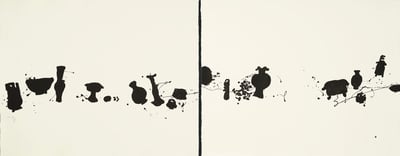
Huai-Qing Wang
The Families 1 , 2012
Limited Edition Print
Etching
EUR 4,300

Huai-Qing Wang
Day Bed-2, 2006
Limited Edition Print
Etching
EUR 4,300
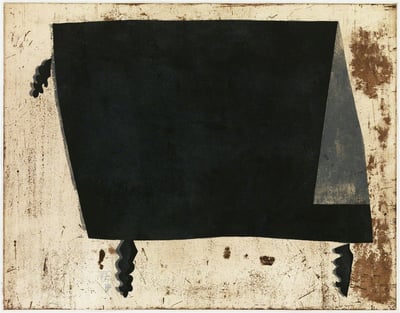
Huai-Qing Wang
Moon Light on the Table , 2008
Limited Edition Print
Etching
EUR 4,300

Huai-Qing Wang
Half Table Half Chair , 2008
Limited Edition Print
Etching
EUR 4,300

Huai-Qing Wang
Searching , 2008
Limited Edition Print
Etching
EUR 4,300

Huai-Qing Wang
A Table in Two Dimension , 2008
Limited Edition Print
Etching
EUR 4,000

Huai-Qing Wang
Another Space , 2002
Limited Edition Print
Etching
EUR 4,300
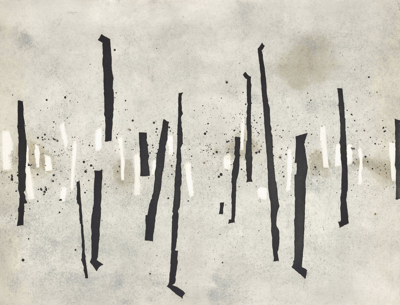
Huai-Qing Wang
Walking , 2006
Limited Edition Print
Etching
EUR 4,300
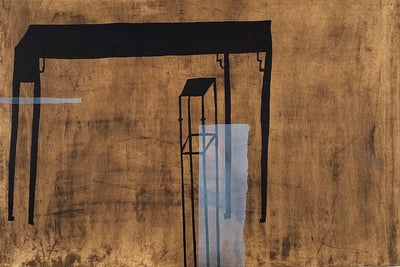
Huai-Qing Wang
Stand , 2008
Limited Edition Print
Etching
Currently Not Available
Related Artists
Related Articles
News, Popular, Collecting, Artists - August 12, 2026
In Minor Keys: Finding Intimacy and Identity at the 61st Venice Biennale — and in Your Collection
Explore how Koyo Kouoh’s 61st Venice Biennale vision, In Minor Keys, is shifting contemporary collecting toward quiet introspection, memory, and personal identi…Read More
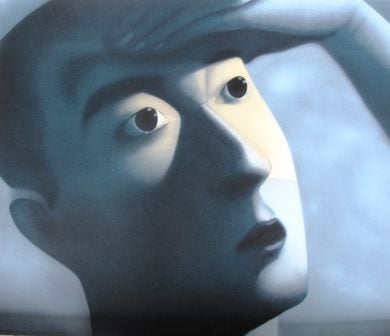
 Artwork by Feng Zhengjie
What is Chinese contemporary art?
Chinese Contemporary Art is marked by a wide range of styles and experimental approaches. In the 1980s, avant-garde exhibitions were often shut down by government officials. The 1990s saw the rise of political pop and cynical realism, while China's One-Child Policy influenced artists to explore the individual as a subject matter.
Explore »

