

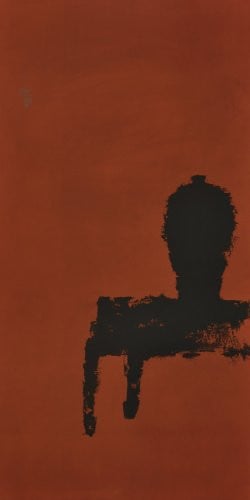
Stand , 2008
Form
Medium
Size
- Inches
- Centimeters
Edition
Price
- Authenticity Guaranteed
- Insured Shipping
- Online Since 2005
Huai-Qing Wang
Peace , 2012
Limited Edition Print
Etching
EUR 3,800

Huai-Qing Wang
The Families 2, 2012
Limited Edition Print
Etching
EUR 3,300
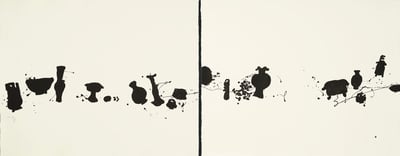
Huai-Qing Wang
The Families 1 , 2012
Limited Edition Print
Etching
EUR 4,300

Huai-Qing Wang
Day Bed-2, 2006
Limited Edition Print
Etching
EUR 4,300
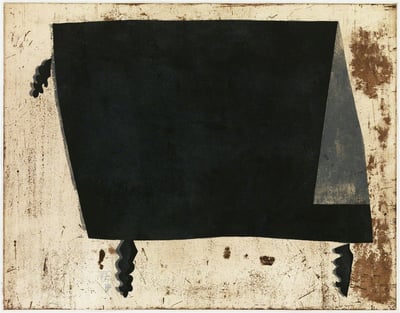
Huai-Qing Wang
Moon Light on the Table , 2008
Limited Edition Print
Etching
EUR 4,300

Huai-Qing Wang
Half Table Half Chair , 2008
Limited Edition Print
Etching
EUR 4,300

Huai-Qing Wang
Searching , 2008
Limited Edition Print
Etching
EUR 4,300

Huai-Qing Wang
A Table in Two Dimension , 2008
Limited Edition Print
Etching
EUR 4,000

Huai-Qing Wang
Another Space , 2002
Limited Edition Print
Etching
EUR 4,300
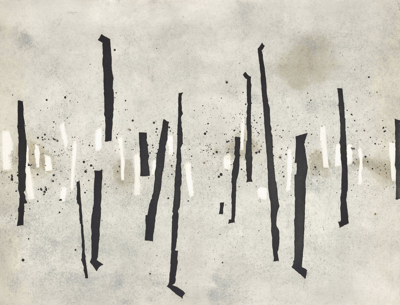
Huai-Qing Wang
Walking , 2006
Limited Edition Print
Etching
EUR 4,300
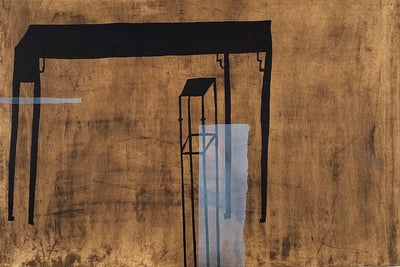
Huai-Qing Wang
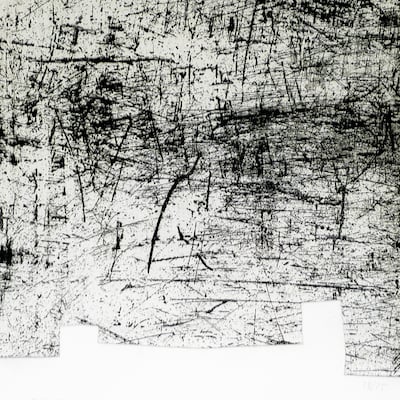
Stand , 2008
Limited Edition Print
Etching
Currently Not Available
Available works by Huai-Qing Wang
See all →Huai-Qing Wang
Peace , 2012
Limited Edition Print
Etching
EUR 3,800
Huai-Qing Wang
The Families 2, 2012
Limited Edition Print
Etching
EUR 3,300
Huai-Qing Wang
The Families 1 , 2012
Limited Edition Print
Etching
EUR 4,300
Huai-Qing Wang
Day Bed-2, 2006
Limited Edition Print
Etching
EUR 4,300
Huai-Qing Wang
Moon Light on the Table , 2008
Limited Edition Print
Etching
EUR 4,300
Huai-Qing Wang
Half Table Half Chair , 2008
Limited Edition Print
Etching
EUR 4,300
Related Artists
What is abstract art?
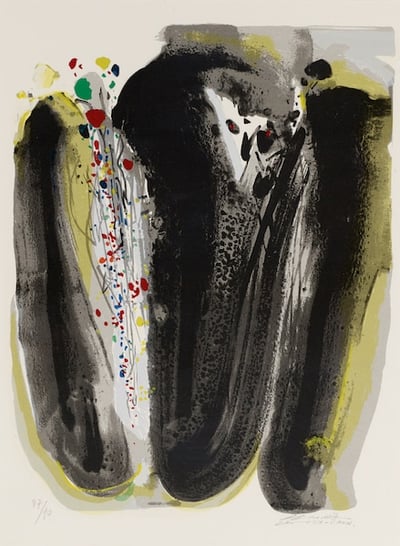
Abstract art uses form, shape, line, and color to create a visual experience without attempting to represent external reality. The composition exists independently of the world's visual references, focusing on expressing ideas and emotions through non-representational means.

Huai-Qing Wang
Stand , 2008
76 x 112 cm


