


Publication: Nee de la Vague - Pierre Belfond
Lucien Clergue's Nyu de la Mer Camargue (1979) is a poetic black-and-white photograph that captures the human form in an intimate, natural setting. This piece, from Clergue’s Nee de la Vague series, presents a close-up of a nude body partially submerged in water, with light delicately reflecting off the skin and water’s surface. The interplay of shadows and highlights accentuates the curves and texture of the figure, creating a sensuous and contemplative image. The granular quality of the sand and the rippling reflections enhance the organic, tactile feel, immersing the viewer in the scene’s quiet intimacy. This photograph exemplifies Clergue’s mastery of using natural elements to elevate the beauty of the human form.
Artwork Copyright © Lucien ClergueLucien Clergue (France, 1934–2014) was a celebrated photographer known for his black-and-white images of nudes, landscapes, and Mediterranean culture. A close friend of Pablo Picasso, his work combined poetic composition with striking contrasts of light and shadow. Clergue was the first photographer elected to the Académie des Beaux-Arts in France.
Artwork Copyright © Lucien ClergueNyu de la Mer Camargue, 1979
Form
Medium
Size
- Inches
- Centimeters
Edition
Price
- USD
- EUR
- GBP
- CHF
- Authenticity Guaranteed
- Insured Shipping
- Online Since 2005
●Inventory 9999
●Hand Signed
●Comes with gallery invoice and certificate
●Sell Us a Similar Artwork. Learn more.
Publication: Nee de la Vague - Pierre Belfond
Lucien Clergue's Nyu de la Mer Camargue (1979) is a poetic black-and-white photograph that captures the human form in an intimate, natural setting. This piece, from Clergue’s Nee de la Vague series, presents a close-up of a nude body partially submerged in water, with light delicately reflecting off the skin and water’s surface. The interplay of shadows and highlights accentuates the curves and texture of the figure, creating a sensuous and contemplative image. The granular quality of the sand and the rippling reflections enhance the organic, tactile feel, immersing the viewer in the scene’s quiet intimacy. This photograph exemplifies Clergue’s mastery of using natural elements to elevate the beauty of the human form.
Artwork Copyright © Lucien ClergueLucien Clergue (France, 1934–2014) was a celebrated photographer known for his black-and-white images of nudes, landscapes, and Mediterranean culture. A close friend of Pablo Picasso, his work combined poetic composition with striking contrasts of light and shadow. Clergue was the first photographer elected to the Académie des Beaux-Arts in France.
Artwork Copyright © Lucien Clergue- Recently Added
- Price (Low-High)
- Price (High-Low)
- Year (Low-High)
- Year (High-Low)

Lucien Clergue
Nyu de la Mer Camargue, 1979
Photography
Photograph
USD 2,735

Lucien Clergue
Picasso En La playa, 1965
Photography
Photograph
EUR 3,125

Lucien Clergue
Picasso
Photography
Photograph
EUR 3,125

Lucien Clergue
Picasso con un cigarro, 1956
Photography
Photograph
EUR 3,125
Related Artists


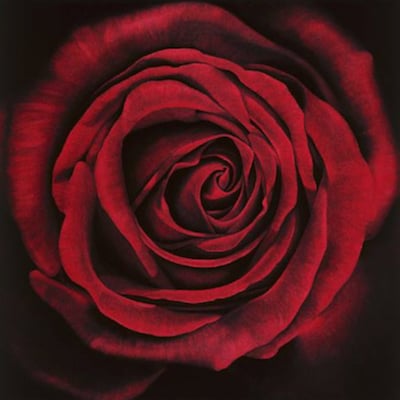
Artwork by Robert Longo
What is photorealism?
Photorealism is a genre of art or artistic movement that involves drawing, painting, and other graphic media in which the artist carefully studies a photograph and attempts to reproduce it as realistically as possible in another medium. While the term can broadly describe any artwork created in this manner, it specifically refers to a group of painters and paintings in the U.S. art movement that emerged in the late 1960s and early 1970s.


Lucien Clergue
Nyu de la Mer Camargue, 1979
42 x 58 cm


