

Fine black and white photograph, signed by the artist.
Picasso en la Playa by Lucien Clergue is a striking black-and-white photograph from 1965, capturing Pablo Picasso in a relaxed moment on the beach. Draped in a striped towel and reclining on a lounge chair, Picasso extends his hand in a thoughtful gesture, embodying both contemplation and casual elegance. Clergue’s mastery of light and composition emphasizes the texture of the sand, the lines of Picasso’s form, and the simplicity of the scene, creating a timeless portrait of the artist. This signed, limited edition photograph (edition of 30) reflects Clergue's intimate access to Picasso and his ability to capture candid yet profound moments.
Artwork Copyright © Lucien ClergueLucien Clergue (France, 1934–2014) was a celebrated photographer known for his black-and-white images of nudes, landscapes, and Mediterranean culture. A close friend of Pablo Picasso, his work combined poetic composition with striking contrasts of light and shadow. Clergue was the first photographer elected to the Académie des Beaux-Arts in France.
Artwork Copyright © Lucien ClerguePicasso En La playa, 1965
Form
Medium
Size
- Inches
- Centimeters
Edition
Price
- USD
- EUR
- GBP
- CHF
- Authenticity Guaranteed
- Insured Shipping
- Online Since 2005
●Inventory 5169
●Signed
●Comes with gallery invoice and certificate
●Sell Us a Similar Artwork. Learn more.
Fine black and white photograph, signed by the artist.
Picasso en la Playa by Lucien Clergue is a striking black-and-white photograph from 1965, capturing Pablo Picasso in a relaxed moment on the beach. Draped in a striped towel and reclining on a lounge chair, Picasso extends his hand in a thoughtful gesture, embodying both contemplation and casual elegance. Clergue’s mastery of light and composition emphasizes the texture of the sand, the lines of Picasso’s form, and the simplicity of the scene, creating a timeless portrait of the artist. This signed, limited edition photograph (edition of 30) reflects Clergue's intimate access to Picasso and his ability to capture candid yet profound moments.
Artwork Copyright © Lucien ClergueLucien Clergue (France, 1934–2014) was a celebrated photographer known for his black-and-white images of nudes, landscapes, and Mediterranean culture. A close friend of Pablo Picasso, his work combined poetic composition with striking contrasts of light and shadow. Clergue was the first photographer elected to the Académie des Beaux-Arts in France.
Artwork Copyright © Lucien Clergue- Recently Added
- Price (Low-High)
- Price (High-Low)
- Year (Low-High)
- Year (High-Low)

Lucien Clergue
Nyu de la Mer Camargue, 1979
Photography
Photograph
USD 2,735

Lucien Clergue
Picasso En La playa, 1965
Photography
Photograph
EUR 3,125

Lucien Clergue
Picasso
Photography
Photograph
EUR 3,125

Lucien Clergue
Picasso con un cigarro, 1956
Photography
Photograph
EUR 3,125
Related Artists


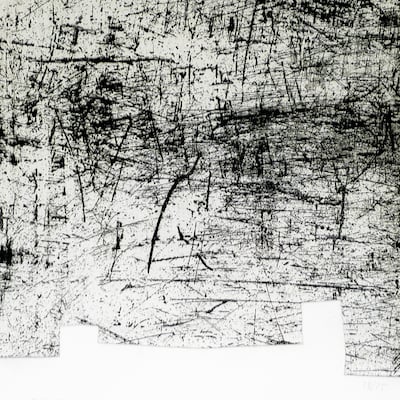
Artwork by Eduardo Chillida
What is abstract art?
Abstract art uses form, shape, line, and color to create a visual experience without attempting to represent external reality. The composition exists independently of the world's visual references, focusing on expressing ideas and emotions through non-representational means.

Lucien Clergue
Picasso En La playa, 1965
40 x 50 cm


