

Hand-titled by the photographer in black ink, dated in pencil, verso
- With photographer’s copyright stamp, notes and catalogue number, verso
Nimeño II, Nîmes by Lucien Clergue, taken in 1980, is a captivating gelatin silver print that captures the intensity of a bullfighting scene. The photograph shows the matador, Nimeño II, in mid-action as he faces the charging bull in the arena at Nîmes. The composition emphasizes the grace and bravery of the matador, dressed in traditional traje de luces, as he leaps with precision, almost appearing weightless. The audience in the background, blurred yet engaged, adds to the drama and intensity of the moment. Hand-titled and dated by Clergue, the print bears the photographer's copyright stamp, further confirming its authenticity and value as a collector’s piece.
Artwork Copyright © Lucien ClergueLucien Clergue (France, 1934–2014) was a celebrated photographer known for his black-and-white images of nudes, landscapes, and Mediterranean culture. A close friend of Pablo Picasso, his work combined poetic composition with striking contrasts of light and shadow. Clergue was the first photographer elected to the Académie des Beaux-Arts in France.
Artwork Copyright © Lucien ClergueNimeño II, Nîmes, 1980
Form
Medium
Size
- Inches
- Centimeters
Edition
Price
Available works →
- Authenticity Guaranteed
- Insured Shipping
- Online Since 2005
●
●Inventory 11991
●Signed
●Comes with gallery invoice and certificate
●Sell Us a Similar Artwork. Learn more.
Hand-titled by the photographer in black ink, dated in pencil, verso
- With photographer’s copyright stamp, notes and catalogue number, verso
Nimeño II, Nîmes by Lucien Clergue, taken in 1980, is a captivating gelatin silver print that captures the intensity of a bullfighting scene. The photograph shows the matador, Nimeño II, in mid-action as he faces the charging bull in the arena at Nîmes. The composition emphasizes the grace and bravery of the matador, dressed in traditional traje de luces, as he leaps with precision, almost appearing weightless. The audience in the background, blurred yet engaged, adds to the drama and intensity of the moment. Hand-titled and dated by Clergue, the print bears the photographer's copyright stamp, further confirming its authenticity and value as a collector’s piece.
Artwork Copyright © Lucien ClergueLucien Clergue (France, 1934–2014) was a celebrated photographer known for his black-and-white images of nudes, landscapes, and Mediterranean culture. A close friend of Pablo Picasso, his work combined poetic composition with striking contrasts of light and shadow. Clergue was the first photographer elected to the Académie des Beaux-Arts in France.
Artwork Copyright © Lucien Clergue- Recently Added
- Price (Low-High)
- Price (High-Low)
- Year (Low-High)
- Year (High-Low)

Lucien Clergue
Nyu de la Mer Camargue, 1979
Photography
Photograph
USD 2,735

Lucien Clergue
Picasso En La playa, 1965
Photography
Photograph
EUR 3,125

Lucien Clergue
Picasso
Photography
Photograph
EUR 3,125

Lucien Clergue
Picasso con un cigarro, 1956
Photography
Photograph
EUR 3,125
Available works by Lucien Clergue
See all →Lucien Clergue
Nyu de la Mer Camargue, 1979
Photography
Photograph
USD 2,735
Lucien Clergue
Picasso En La playa, 1965
Photography
Photograph
EUR 3,125
Lucien Clergue
Picasso
Photography
Photograph
EUR 3,125
Lucien Clergue
Picasso con un cigarro, 1956
Photography
Photograph
EUR 3,125
Related Artists


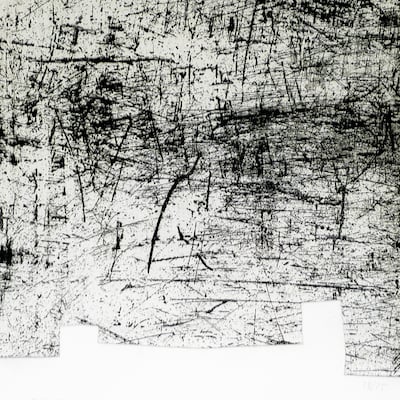
Artwork by Eduardo Chillida
What is abstract art?
Abstract art uses form, shape, line, and color to create a visual experience without attempting to represent external reality. The composition exists independently of the world's visual references, focusing on expressing ideas and emotions through non-representational means.


