

Signed in ink (recto), titled, dated, numbered and copyrighted (verso)
Lucien Clergue’s Neverais II (1980) is a powerful gelatin silver print that captures the intense moment of a bullfighter in mid-action, face-to-face with a charging bull. The photograph freezes a split-second of high drama and tension in the bullring, highlighting the grace and danger of the bullfighting ritual. The composition is marked by strong contrasts: the bullfighter’s elaborate costume and poised stance contrast sharply with the raw power and movement of the bull. Clergue, known for his photographic storytelling and keen eye for dramatic composition, captures the energy and emotion of the scene, inviting viewers to confront the complex, often controversial nature of bullfighting. Signed on the front and further detailed on the back, the print measures 29.5 x 39.3 cm.
Artwork Copyright © Lucien ClergueLucien Clergue (France, 1934–2014) was a celebrated photographer known for his black-and-white images of nudes, landscapes, and Mediterranean culture. A close friend of Pablo Picasso, his work combined poetic composition with striking contrasts of light and shadow. Clergue was the first photographer elected to the Académie des Beaux-Arts in France.
Artwork Copyright © Lucien ClergueNeverais II, 1980
Form
Medium
Size
- Inches
- Centimeters
Edition
Price
Available works →
- Authenticity Guaranteed
- Insured Shipping
- Online Since 2005
●
●Inventory 10221
●Signed
●Comes with gallery invoice and certificate
●Sell Us a Similar Artwork. Learn more.
Signed in ink (recto), titled, dated, numbered and copyrighted (verso)
Lucien Clergue’s Neverais II (1980) is a powerful gelatin silver print that captures the intense moment of a bullfighter in mid-action, face-to-face with a charging bull. The photograph freezes a split-second of high drama and tension in the bullring, highlighting the grace and danger of the bullfighting ritual. The composition is marked by strong contrasts: the bullfighter’s elaborate costume and poised stance contrast sharply with the raw power and movement of the bull. Clergue, known for his photographic storytelling and keen eye for dramatic composition, captures the energy and emotion of the scene, inviting viewers to confront the complex, often controversial nature of bullfighting. Signed on the front and further detailed on the back, the print measures 29.5 x 39.3 cm.
Artwork Copyright © Lucien ClergueLucien Clergue (France, 1934–2014) was a celebrated photographer known for his black-and-white images of nudes, landscapes, and Mediterranean culture. A close friend of Pablo Picasso, his work combined poetic composition with striking contrasts of light and shadow. Clergue was the first photographer elected to the Académie des Beaux-Arts in France.
Artwork Copyright © Lucien Clergue- Recently Added
- Price (Low-High)
- Price (High-Low)
- Year (Low-High)
- Year (High-Low)

Lucien Clergue
Nyu de la Mer Camargue, 1979
Photography
Photograph
USD 2,735

Lucien Clergue
Picasso En La playa, 1965
Photography
Photograph
EUR 3,125

Lucien Clergue
Picasso
Photography
Photograph
EUR 3,125

Lucien Clergue
Picasso con un cigarro, 1956
Photography
Photograph
EUR 3,125
Available works by Lucien Clergue
See all →Lucien Clergue
Nyu de la Mer Camargue, 1979
Photography
Photograph
USD 2,735
Lucien Clergue
Picasso En La playa, 1965
Photography
Photograph
EUR 3,125
Lucien Clergue
Picasso
Photography
Photograph
EUR 3,125
Lucien Clergue
Picasso con un cigarro, 1956
Photography
Photograph
EUR 3,125
Related Artists


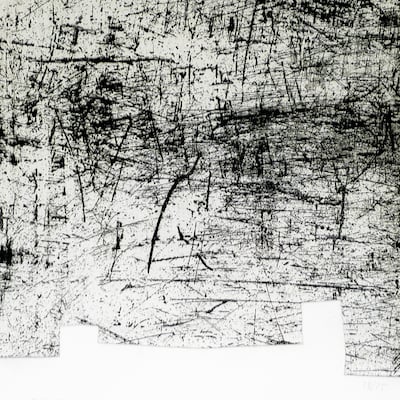
Artwork by Eduardo Chillida
What is abstract art?
Abstract art uses form, shape, line, and color to create a visual experience without attempting to represent external reality. The composition exists independently of the world's visual references, focusing on expressing ideas and emotions through non-representational means.


