
Paul Delvaux
© Paul Delvaux. All rights reserved.

Paul Delvaux
Sans Titre (Paysage à Huy), 1924
Drawing / Watercolor
Watercolor
EUR 8,000

Paul Delvaux
Le tramway, 1971
Limited Edition Print
Lithograph
EUR 2,600
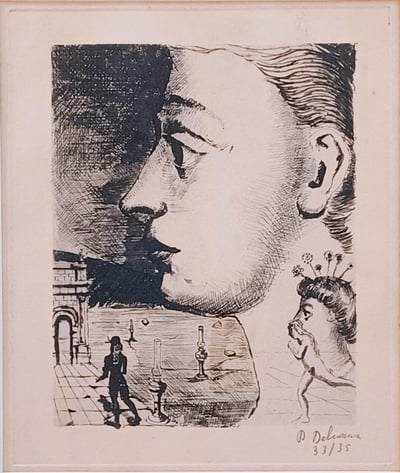
Paul Delvaux
Figure, c. 1960-65
Limited Edition Print
Etching
EUR 4,380

Paul Delvaux
Le Sommeil, 1970
Limited Edition Print
Lithograph
EUR 3,650

Paul Delvaux
La dispute, 1969
Limited Edition Print
Etching and Aquatint
EUR 2,300

Paul Delvaux
L'Impératrice, 1974
Limited Edition Print
Lithograph
EUR 3,350

Paul Delvaux
Le Chapeau 1900, 1972
Limited Edition Print
Lithograph
EUR 2,500

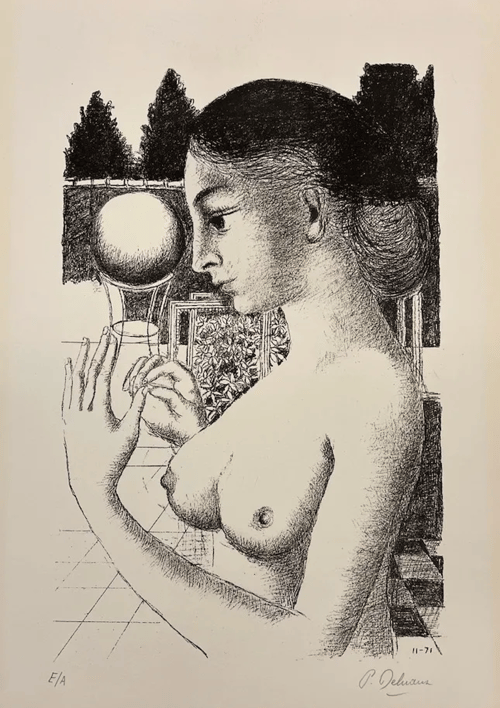
Paul Delvaux
La femme a la Boule, 1971
Limited Edition Print
Lithograph
EUR 2,650

Paul Delvaux
L'Eventail, 1968
Limited Edition Print
Etching
EUR 2,650
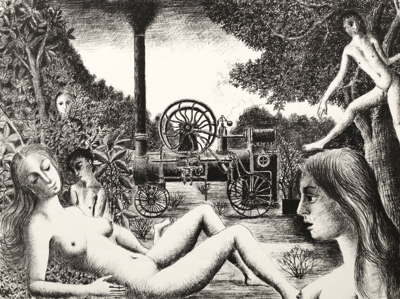
Paul Delvaux
Locomobile, 1970
Limited Edition Print
Lithograph
Currently Not Available

Paul Delvaux
La voyante, 1974
Limited Edition Print
Lithograph
Currently Not Available
- Paul Delvaux
Related Artists

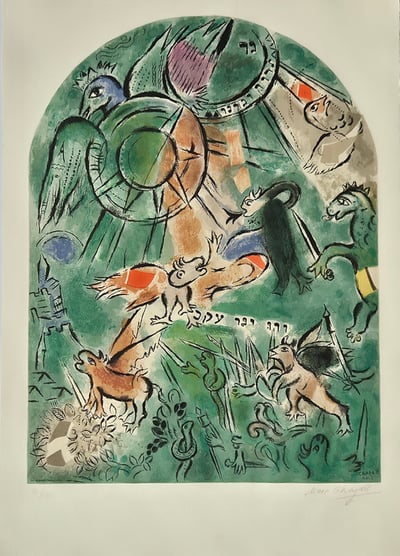

Related Articles
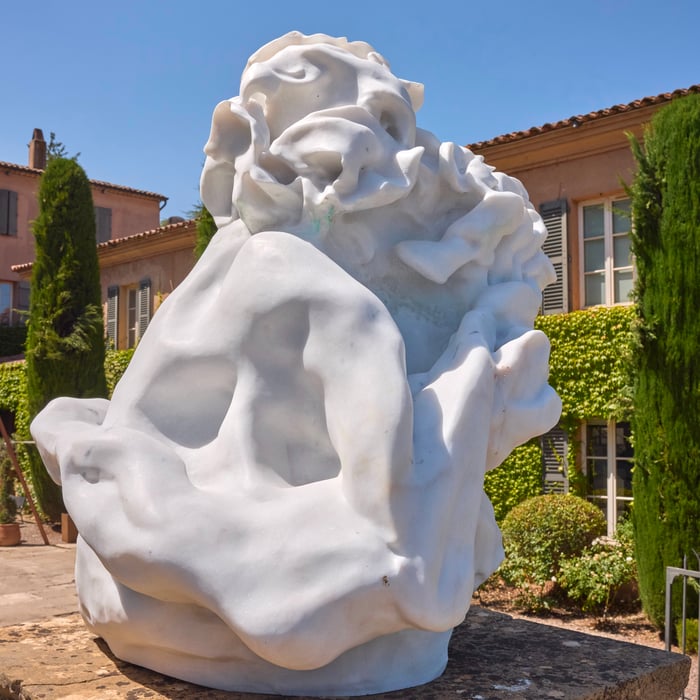
News, Popular, Collecting, Artists - August 12, 2026
In Minor Keys: Finding Intimacy and Identity at the 61st Venice Biennale — and in Your Collection
Explore how Koyo Kouoh’s 61st Venice Biennale vision, In Minor Keys, is shifting contemporary collecting toward quiet introspection, memory, and personal identi…Read More
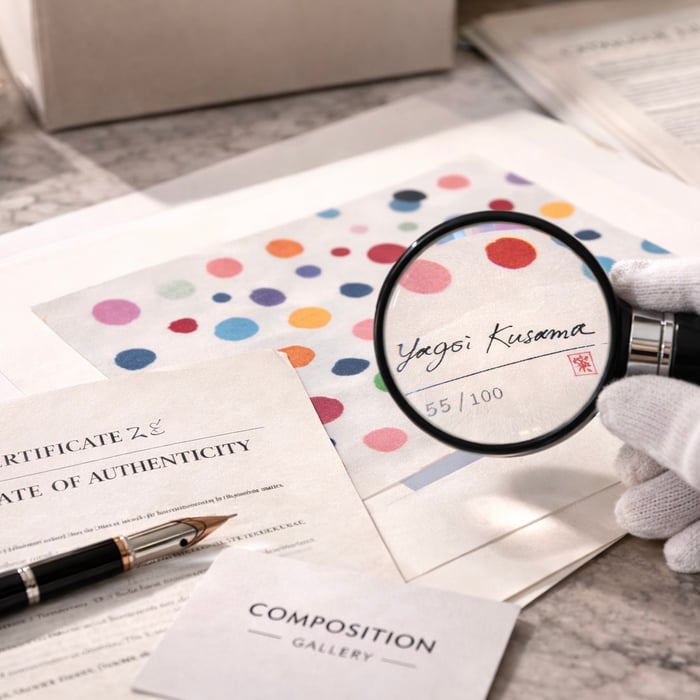
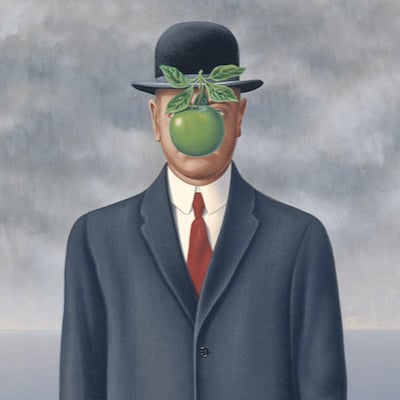 Artwork by Rene Magritte
What is Surrealism?
Surrealism began in the 1920s as an art and literary movement with the goal of revealing the unconscious mind and unleashing the imagination by exploring unusual and dream-like imagery. Influenced by Sigmund Freud’s theories of psychoanalysis, Surrealist artists and writers sought to bring the unconscious into rational life, blurring the lines between realit…
Explore »

