

Paul Jenkins
© Paul Jenkins. All rights reserved.
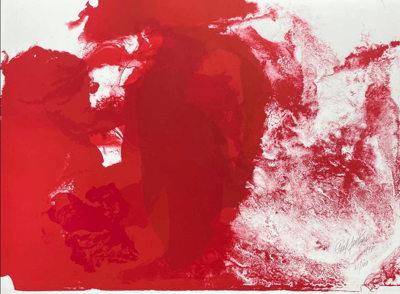
Paul Jenkins
Five Invocations III, 1997
Limited Edition Print
Lithograph
EUR 1,550
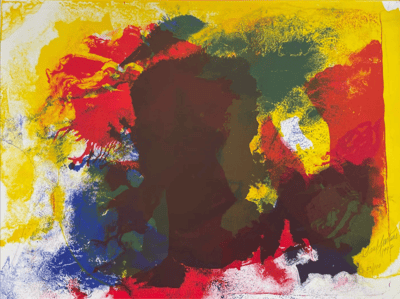
Paul Jenkins
Five Invocations II, 1997
Limited Edition Print
Lithograph
EUR 1,550

Paul Jenkins
Untitled, 1960
Drawing / Watercolor
Watercolor
Inquire For Price
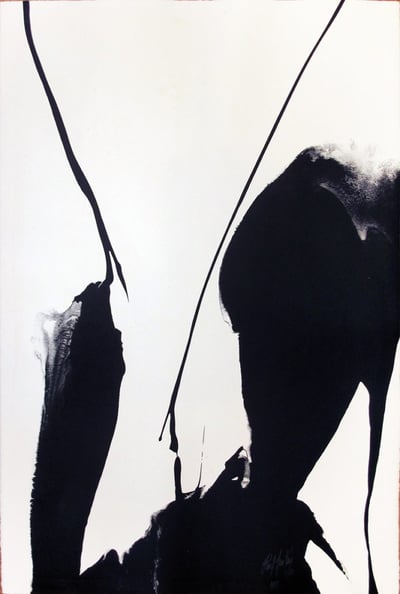
Paul Jenkins
Untitled (Black Strokes), 1971
Limited Edition Print
Lithograph
USD 1,580

Paul Jenkins
Untitled (Vibrant Currents), 1972
Limited Edition Print
Lithograph
USD 3,300
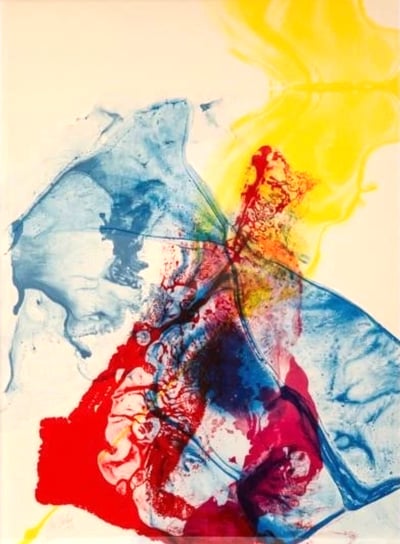
Paul Jenkins
Phenomena - Katherine Wheel, 1969
Limited Edition Print
Lithograph
USD 1,450
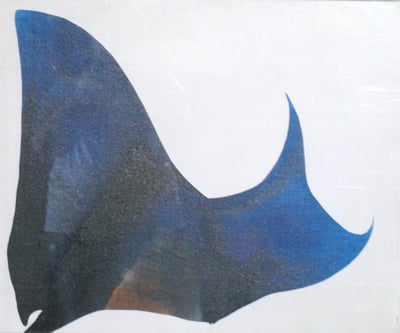
Paul Jenkins
Phenomena Wing Cut, 1979
Painting
Oil on canvas
USD 11,900
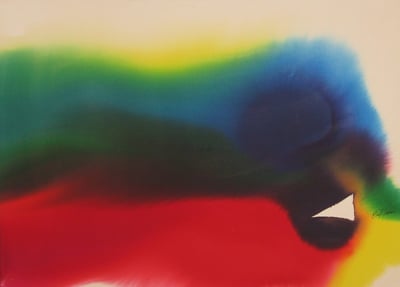
Paul Jenkins
Phenomeana parcinal imperative, 1982
Drawing / Watercolor
Watercolor
USD 11,900
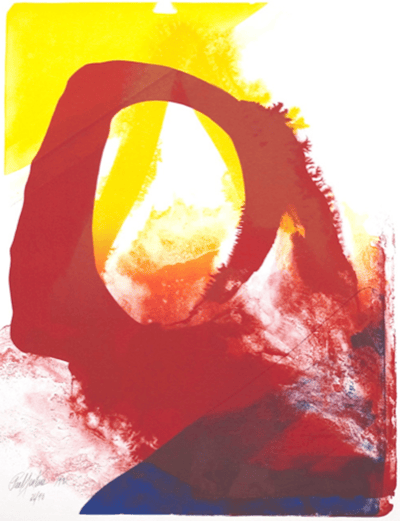
Paul Jenkins
Aspects d’Amadeus et les Autres, 1992
Limited Edition Print
Lithograph
USD 1,350
- Paul Jenkins
Related Artists
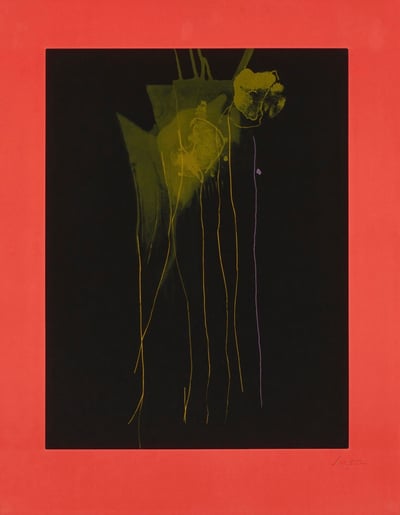


Related Articles
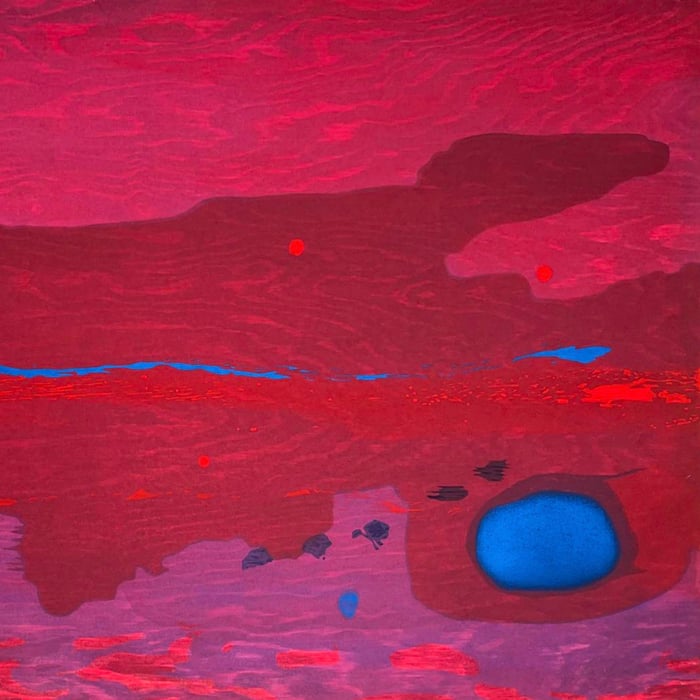
Popular, Art Movements - November 20, 2024
Understanding Abstract Expressionism: Emotion and Gesture
Explore the emotional depth of Abstract Expressionism! Discover how artists like Pollock and Rothko used gesture and color to convey human complexity.Read More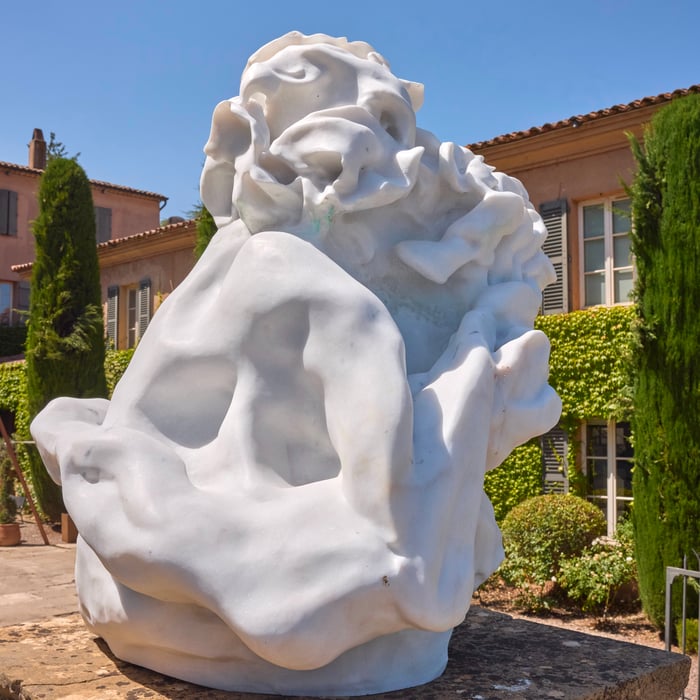
News, Popular, Collecting, Artists - August 12, 2026
In Minor Keys: Finding Intimacy and Identity at the 61st Venice Biennale — and in Your Collection
Explore how Koyo Kouoh’s 61st Venice Biennale vision, In Minor Keys, is shifting contemporary collecting toward quiet introspection, memory, and personal identi…Read More
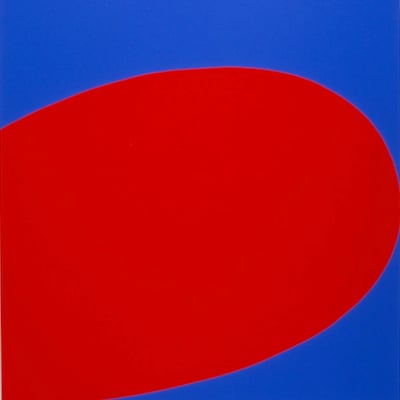 Artwork by Ellsworth Kelly
What is Colour Field Painting?
Colour Field Painting is an abstract style characterized by large areas of a single color or simple, solid colors. The term was first used in the 1950s to describe the work of three American Abstract Expressionist painters—Barnett Newman, Mark Rothko, and Clyfford Still. Their work emphasized the emotional power of color and the creation of vast, meditative…
Explore »

