
The New Leipzig School is a movement in modern German painting that represents the third generation of artists associated with the Hochschule für Grafik und Buchkunst Leipzig. This movement reflects (...) read more
Art Glossary
Definitions of Art Forms, Mediums, and Movements
Image View

Artwork by Neo Rauch
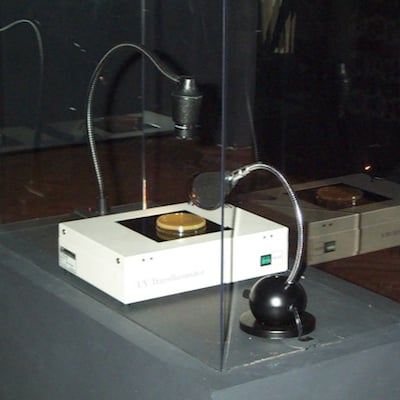
New Media Art is a genre that includes all artworks created using new technologies, such as computer graphics, digital art, virtual art, internet art, computer animation, video games, 3D printing, (...) read more

New Topographics is a term coined in 1975 by curator William Jenkins to describe a group of photographers whose work focused on formal black-and-white images of urban and industrial landscapes. (...) read more

Nouveau Réalisme is an artistic movement founded in 1960 by art critic Pierre Restany and painter Yves Klein during a collective exhibition at a gallery in Milan. Restany wrote the original manifesto (...) read more
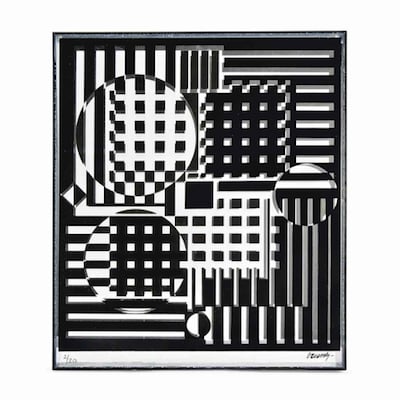
Op Art is a visual art style that uses optical illusions to create the impression of movement, vibrating patterns, flashing, or hidden images. The works are typically abstract, with many well-known (...) read more

Orphism is an abstract style of painting influenced by Cubism, developed by Sonia and Robert Delaunay. The term was coined around 1912 by French poet Guillaume Apollinaire to differentiate the (...) read more

Performance Art is a genre of fine art that is traditionally interdisciplinary, involving various art forms. It can be scripted or unscripted, random or carefully orchestrated, spontaneous, or (...) read more

Photorealism is a genre of art or artistic movement that involves drawing, painting, and other graphic media in which the artist carefully studies a photograph and attempts to reproduce it as (...) read more

Pixel Art is a form of digital art created by placing individual pixels, similar to assembling a mosaic where each small piece contributes to a larger image. The style is often associated with (...) read more
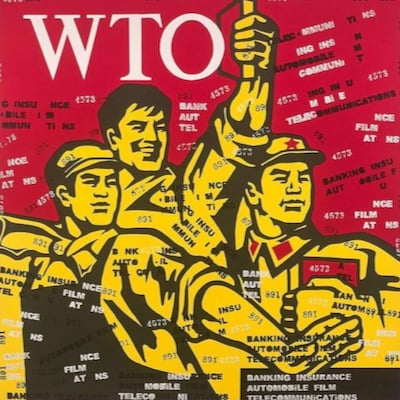
Political Pop was an art movement that emerged in China during the 1980s, blending the Pop Art style of Western countries with the socialist realism of China. This movement arose during a time of (...) read more

Pop Art is an art movement that began in Britain in 1955 and in the late 1950s in the U.S. It challenged traditional fine arts by incorporating imagery from popular culture, such as news, (...) read more

Postminimalism refers to a range of art styles that emerged in the 1960s, following the Minimalism movement. While Minimalism focused on simplicity and impersonality, Postminimalist artists retained (...) read more
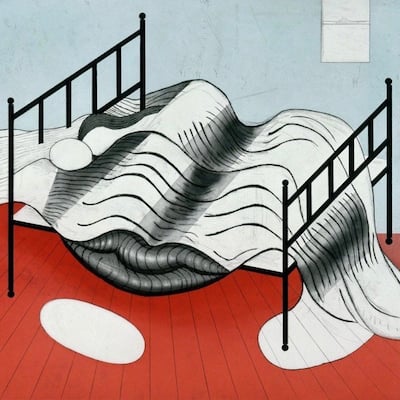
Postmodernism is an art movement that emerged as a reaction against authority and traditional boundaries, seeking to blur the lines between art and everyday life. It aimed to bridge the gap between (...) read more
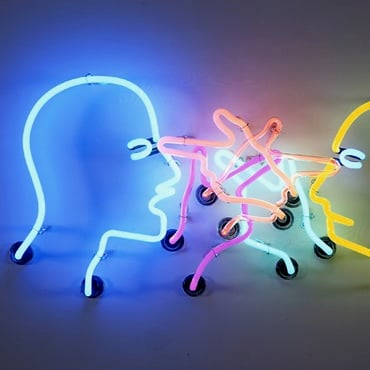
Process Art is an artistic movement and creative approach where the focus is on the act of creation rather than the final product. The term process in this context refers to the various stages of (...) read more

Queer Aesthetics refers to an art movement that emerged in the 1980s, focusing on themes of homosexuality, lesbianism, and broader issues of identity and gender. This movement gained momentum in the (...) read more
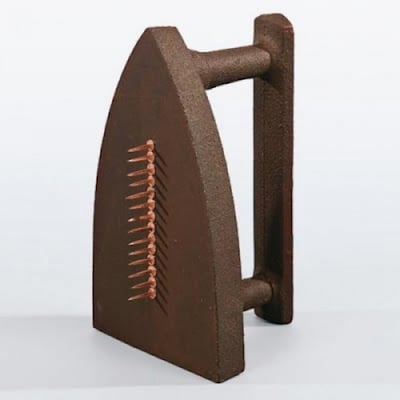
Readymade is the term coined by French artist Marcel Duchamp to describe artworks created from manufactured objects. Duchamp selected ordinary, functional items that he felt had visual indifference, (...) read more
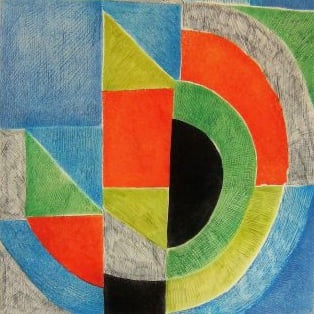
Réalités Nouvelles means new realities and refers to an exhibiting society founded in 1939 in Paris by Sonia Delaunay. The Salon des Réalités Nouvelles was dedicated to promoting abstract art, which (...) read more

Shock Art is an art movement that uses disturbing images, scents, or sounds to provoke a strong, often shocked, reaction from viewers. It is often regarded as a form of social commentary, with (...) read more

Site-Specific Art is a form of artwork created to exist in a particular location, with the artist considering the site as an integral part of the creative process. Robert Irwin was a key figure in (...) read more

Situationism is a psychological theory that gained prominence in 1968, following the publication of a monograph by Walter Mischel that sparked the Person-situation debate. This theory argues that (...) read more
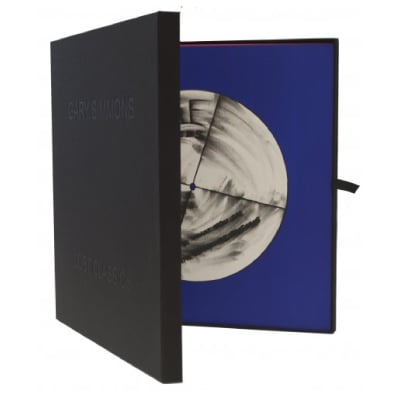
Sound Art is an artistic discipline where sound is used as the primary medium. Like other contemporary art genres, Sound Art is inherently interdisciplinary, engaging with a variety of subjects (...) read more

Space Art is an artistic genre that depicts the cosmic elements of the universe, including celestial bodies, interstellar space, and space exploration. It began in 1865 with the first science-based (...) read more

Spatialism is an art movement that originated in Italy in 1947, founded by Lucio Fontana with the intention of synthesizing sound, color, movement, and space into a new form of art. The movement's (...) read more

Street Art is artwork created and executed in public spaces, outside of traditional art venues. It gained popularity during the 1980s graffiti art boom and has since evolved into various forms and (...) read more