

China
China's dynamic contemporary art landscape, steeped in profound cultural heritage, showcases the nation's vibrant artistic evolution. Noteworthy spaces like the Ullens Center for Contemporary Art and the Power Station of Art in Shanghai are key cultural hubs. Renowned artists like Ai Weiwei, with his politically-charged works, and Cai Guo-Qiang, known for his gunpowder art, epitomize China's artistic vitality. Visit Composition Gallery's website to delve into the pulsating world of Chinese contemporary art.
- Show All
- Established
- Discoveries
- Show All
Artworks Related to China

Yin Kun
Chinese Baby 11-05, 2011
Painting
Oil on canvas
USD 17,200

Walasse Ting
Blue horse, 1991
Limited Edition Print
Screen-print
Currently Not Available
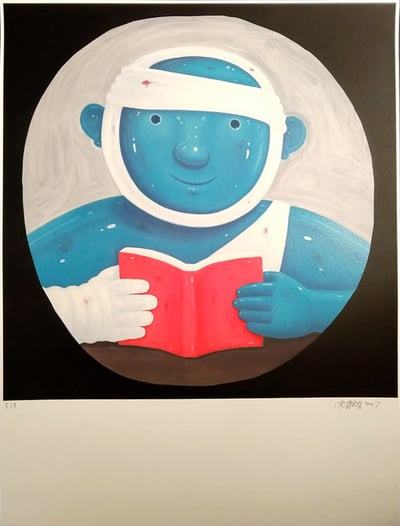
Shen Jingdong
Homage to Bertolt Brecht 1, 2017
Limited Edition Print
Silkscreen
Currently Not Available

Huang Yan
Face tattoo , 2005
Photography
Photograph
USD 16,000

Shen Jingdong
Move On, 2012
Painting
Oil on canvas
USD 17,800

Zhao Bo
Untitled II
Painting
Oil on canvas
EUR 1,875

Zhao Bo
Untitled I
Painting
Oil on canvas
EUR 1,875

Yin Kun
Chinese honey, 2005
Painting
Oil on canvas
EUR 4,620

Huang Yan
Landscape
Photography
Lambda print
EUR 10,150
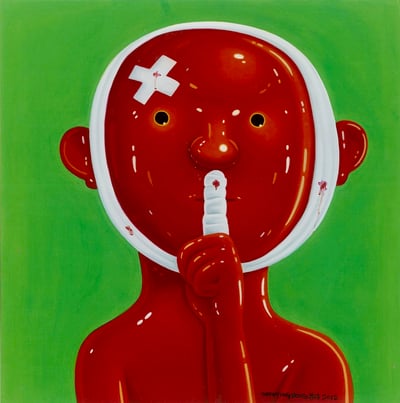
Shen Jingdong
Shush, 2012
Painting
Oil on canvas
USD 16,600

Xiaobai Su
Big Inkstone 1, 2016
Limited Edition Print
Etching
Currently Not Available
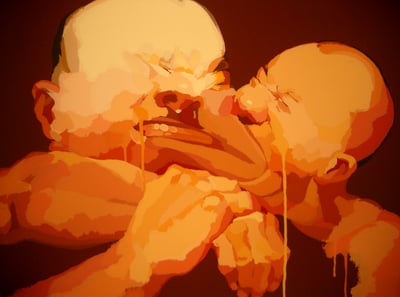
Yang Shao Bin
No. 9, 2003
Limited Edition Print
Lithograph
Currently Not Available
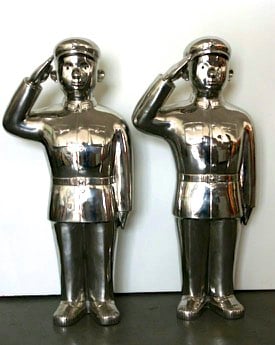
Shen Jingdong
Salute (Duo), 2013
Sculpture / Object
Metal
USD 23,600

Yin Jun
Crying Series - Swimming , 2012
Painting
Oil on canvas
EUR 14,250

Zhang Xiaogang
Amnesia and Memory, 2009
Limited Edition Print
Lithograph
USD 7,850

Walasse Ting
Untitled WT EP 17, 1985
Limited Edition Print
Lithograph
EUR 1,450
Related Articles

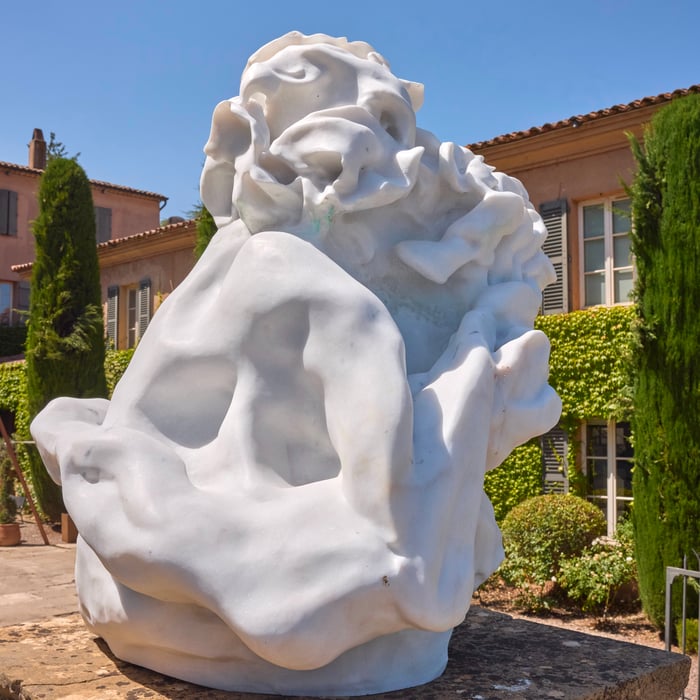
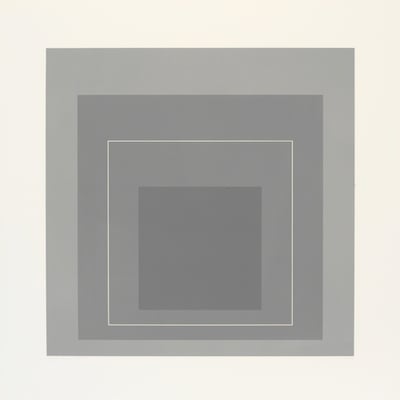
Concrete Art is an art movement founded by the Dutch artist Theo van Doesburg in the 1930s. The movement emphasizes pure abstraction, focusing on geometric shapes and colors without any reference to the natural world or symbolic meaning. Unlike other forms of abstract art, Concrete Art is entirely non-representational and is based on mathematical principles and precise execution. It aims to create universal, timeless works by using simple, clear forms that emphasize objectivity and clarity.

Activist Art is a form of art created to address social and political issues. It often involves public engagement and works closely with communities to raise awareness or inspire change. While it can include elements of performance art, it is not limited to this form. Examples include creating and distributing social protest posters or organizing community-based art projects that highlight specific causes.
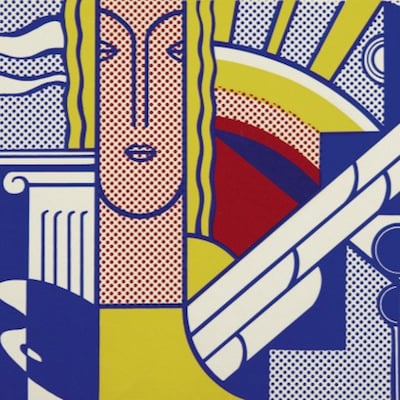
Late Modernism refers to the continuation and evolution of Modernist principles in art, architecture, and literature from the mid-20th century into the late 20th century. This movement maintains a focus on form, abstraction, and the rejection of traditional styles, but it often incorporates more complexity and ambiguity compared to early Modernism. Late Modernism explores themes such as alienation, identity, and the fragmentation of reality, reflecting the social and cultural shifts of the post-war period. It is seen in the works of architects like Louis Kahn and artists like Francis Bacon, who pushed the boundaries of Modernism while responding to the changing world around them.
Can't find your Answer?
Thank you! Your question has been sent — we'll get back to you shortly.
