

China
China's dynamic contemporary art landscape, steeped in profound cultural heritage, showcases the nation's vibrant artistic evolution. Noteworthy spaces like the Ullens Center for Contemporary Art and the Power Station of Art in Shanghai are key cultural hubs. Renowned artists like Ai Weiwei, with his politically-charged works, and Cai Guo-Qiang, known for his gunpowder art, epitomize China's artistic vitality. Visit Composition Gallery's website to delve into the pulsating world of Chinese contemporary art.
- Show All
- Established
- Discoveries
- Show All
Artworks Related to China
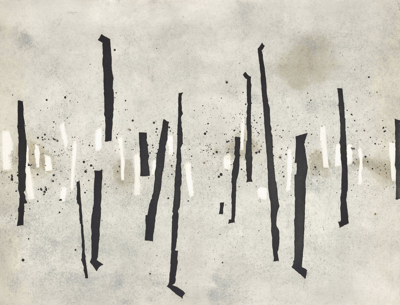
Huai-Qing Wang
Walking , 2006
Limited Edition Print
Etching
EUR 4,300
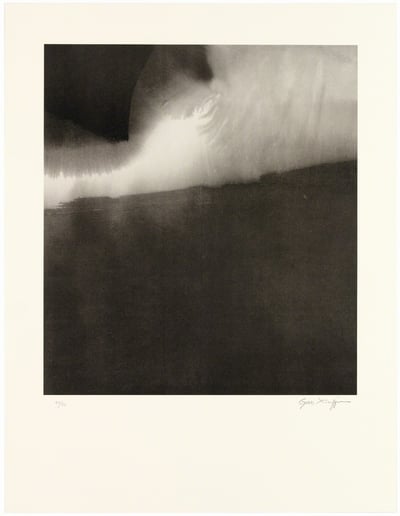
Xingjian Gao
S/T, 2008
Limited Edition Print
Lithograph
Currently Not Available

Xiaobai Su
Intellectual Aristocracy , 2013
Limited Edition Print
Etching
Currently Not Available
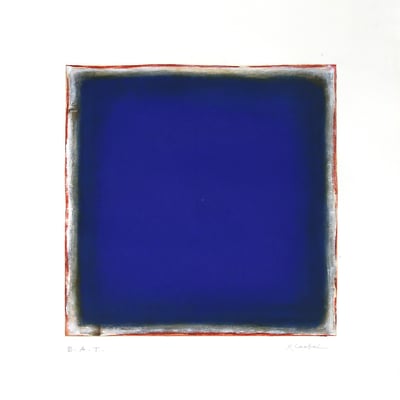
Xiaobai Su
Moonlight Halo , 2015
Limited Edition Print
Etching
Currently Not Available

Xiaobai Su
Intactness E, 2015
Limited Edition Print
Etching
Currently Not Available
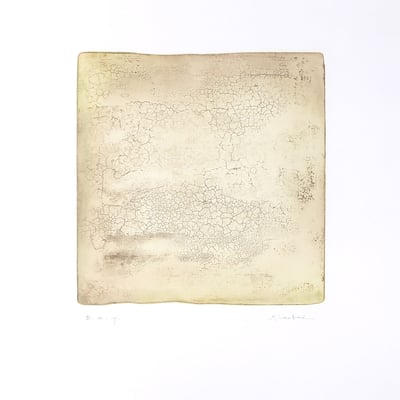
Xiaobai Su
Intactness B , 2015
Limited Edition Print
Etching
Currently Not Available
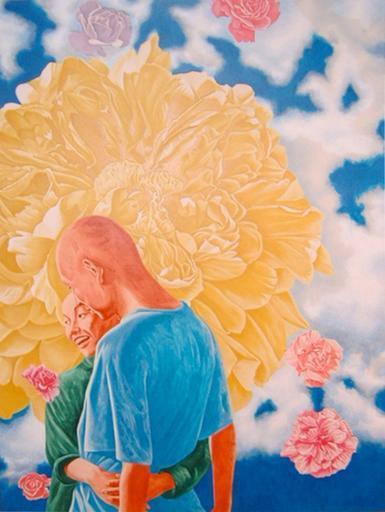
Fang Lijun
Flower, 2005
Limited Edition Print
Screen-print
Currently Not Available
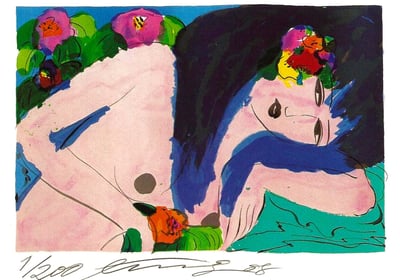
Walasse Ting
Untitled WT EP 20, 1985
Limited Edition Print
Lithograph
EUR 1,490
Weiwei Ai
The artist activist - Art edition
Limited Edition Print
Mixed Media
Currently Not Available
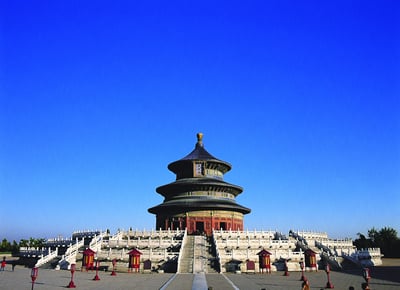
Huang Yan
Bird Tiantan No.1, 2006
Photography
Photograph
USD 4,850
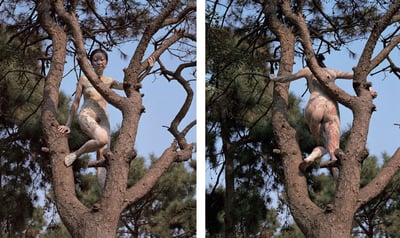
Huang Yan
Pinaster Landscape Diptych, 2007
Photography
Photograph
Inquire For Price
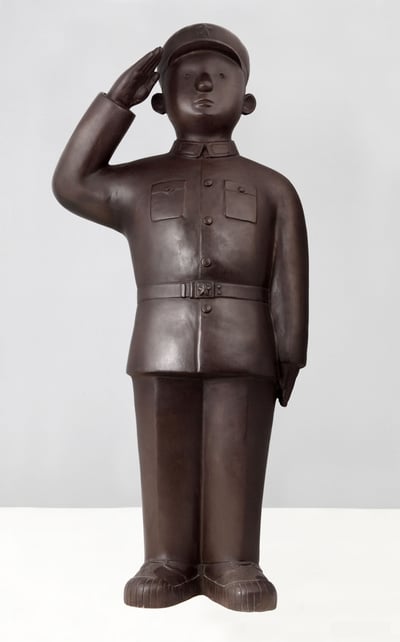
Shen Jingdong
Salute (Soldier) , 2012
Sculpture / Object
Mixed Media
Currently Not Available
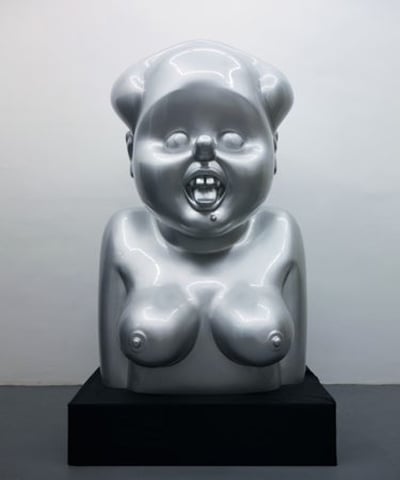
Gao Brothers
Miss Mao No.2, 2006
Sculpture / Object
Resin
Currently Not Available
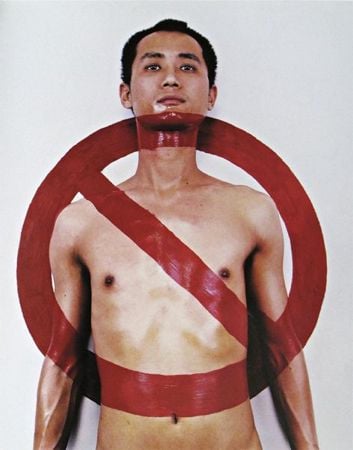
Qiu Zhijie
Tattoo 3, 2000
Limited Edition Print
Digital Print on paper
Currently Not Available
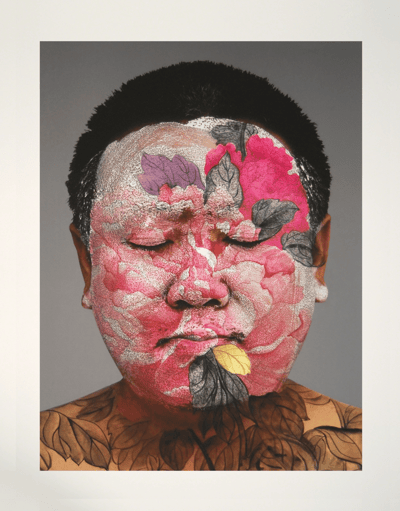
Huang Yan
Self Portrait, 2008
Limited Edition Print
Mixed Media
USD 1,350
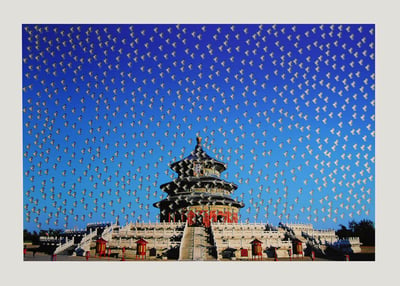
Huang Yan
Temple of Heaven, 2008
Limited Edition Print
Giclée printing
USD 850
Related Articles

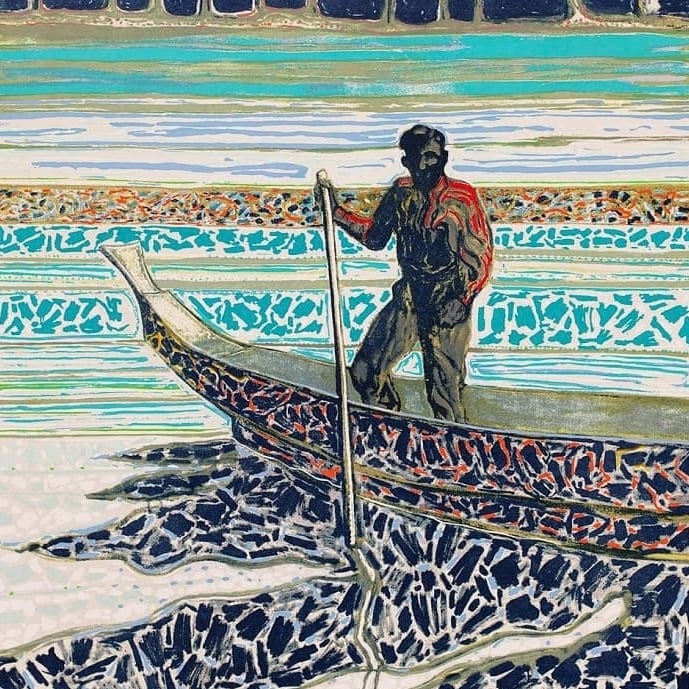
Stuckism is an art movement that promotes figurative painting over conceptual art. It was founded in 1999 by Charles Thomson and Billy Childish with an initial group of 13 artists in Britain. The movement has since expanded to 52 countries with 233 groups worldwide. Several manifestos, issued by Thomson and Childish, advocate for the spirit of modernism and the creation of spiritual art, regardless of medium, subject matter, or style. Stuckism emphasizes the importance of genuine expression and rejects the dominance of conceptual art in the contemporary art scene.
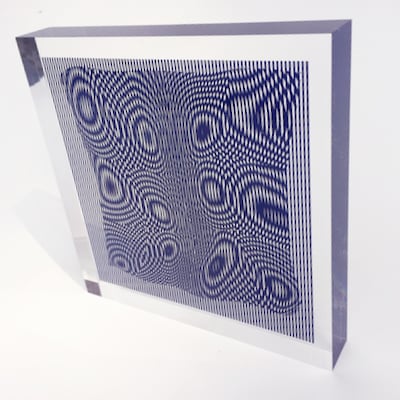
Acrylic sculpture refers to both a process and the resulting object. The artist begins by creating a sculpture from clay, plaster, or epoxy, which is then used to make a flexible mold. Melted acrylic is poured into the mold, and once it cures, the acrylic piece is hand-finished through sanding and polishing. Acrylic sculptures are valued for their clarity, durability, and ability to achieve intricate details.

Earth art, also known as Land Art, emerged in the 1960s and 70s as part of the conceptual art movement. It involves creating artworks by sculpting the land or constructing structures in the landscape using natural materials like earth, rocks, or twigs. These works are often large-scale and emphasize the relationship between art and nature.
Can't find your Answer?
Thank you! Your question has been sent — we'll get back to you shortly.
