

United States
The contemporary art scene in the United States is a dynamic fusion of diverse traditions and avant-garde explorations, resonating across the global art spectrum. Institutions like the Museum of Modern Art in New York and the Los Angeles County Museum of Art are central to this discourse, spotlighting artists from different backgrounds and mediums. Notable figures such as Jeff Koons, known for his monumental public sculptures, and Kara Walker, recognized for her poignant silhouettes and murals, contribute to the vibrant US artistic landscape. Major events like Art Basel Miami further underline the country's role as a nexus of contemporary art. Dive into the robust and compelling art scene of the United States on Composition Gallery's website.
- Show All
- Established
- Discoveries
- Show All
Artworks Related to United States

Jacob Kassay
Untitled 5/8 (La Opinión), 2013
Limited Edition Print
Lithograph
EUR 5,500

Chris Burden
If You Fly, If You Drive (diptych), 1973
Limited Edition Print
Lithograph
USD 12,500

Joe Bradley
Untitled (Angular Face), 2014
Limited Edition Print
Ink
USD 1,300
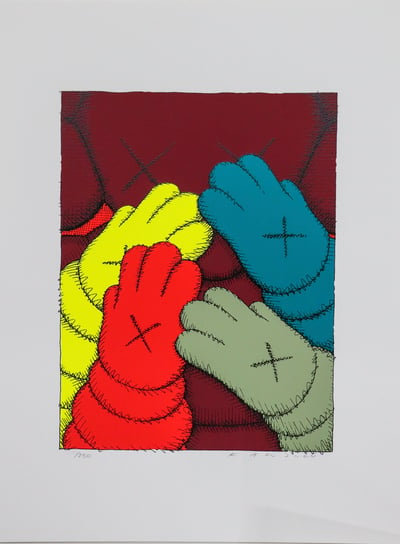
KAWS
Untitled IX (Urge), 2020
Limited Edition Print
Silkscreen
USD 7,000 - 10,000
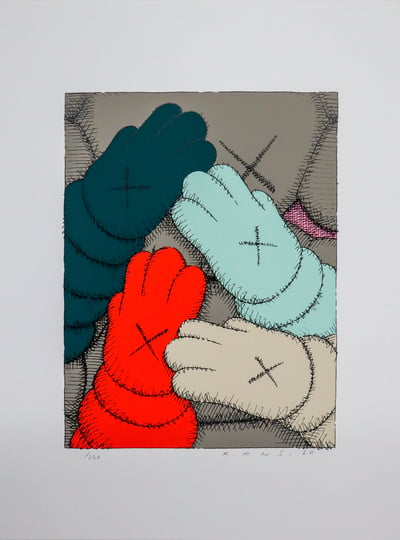
KAWS
Untitled VIII (Urge), 2020
Limited Edition Print
Silkscreen
USD 7,000 - 10,000

Donald Sultan
Untitled IX, 2008
Limited Edition Print
Screen-print
Inquire For Price
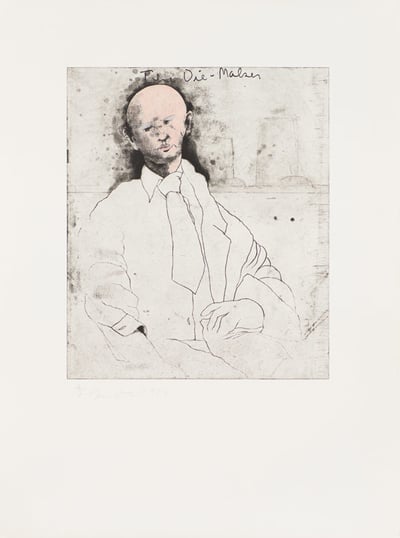
Jim Dine
Die-Maker, 1976
Limited Edition Print
Etching
USD 1,575

Robert Indiana
Wall: Four Stones I - One, 1990
Limited Edition Print
Lithograph
Inquire For Price
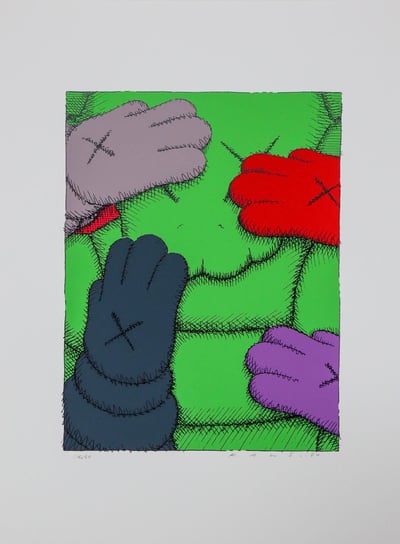
KAWS
Untitled III (Urge), 2020
Limited Edition Print
Silkscreen
USD 7,000 - 10,000
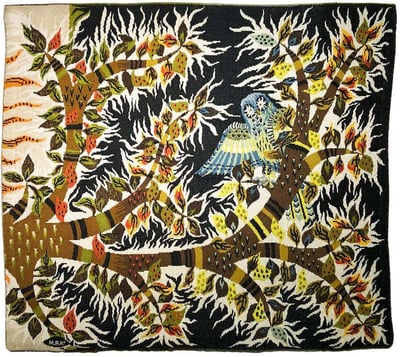
Man Ray
Nocturnal, c.1960
Tapestry
Tapestry
Currently Not Available
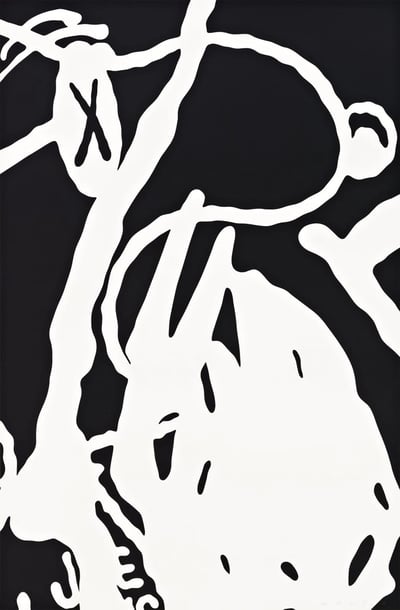
KAWS
Man's Best Friend #9, 2016
Limited Edition Print
Screen-print
GBP 8,990
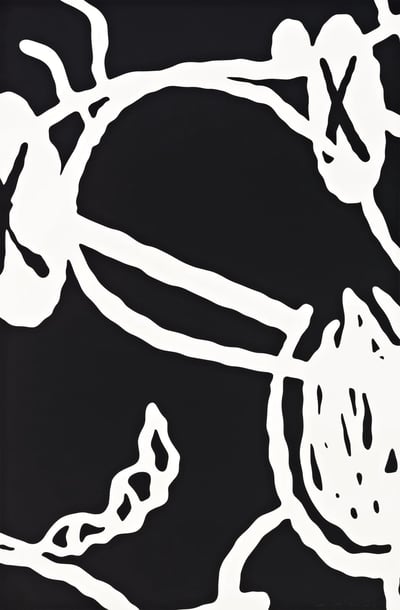
KAWS
Man's Best Friend #7, 2016
Limited Edition Print
Screen-print
GBP 8,990
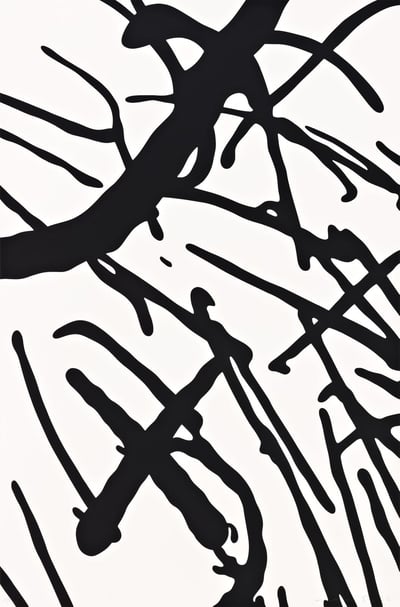
KAWS
Man's Best Friend #6, 2016
Limited Edition Print
Screen-print
GBP 8,990

Donald Sultan
Still Life with Peach, 1987
Limited Edition Print
Serigraph
Inquire For Price
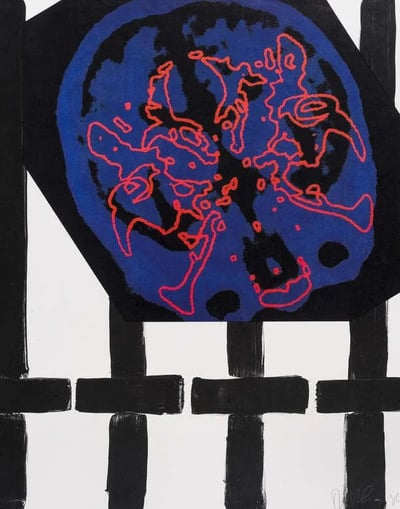
Robert Longo
Untitled (for Joseph Beuys), 1986
Limited Edition Print
Lithograph
USD 2,500

Jim Dine
A Night Woodcut, 1982
Limited Edition Print
Woodcut
Inquire For Price
Related Articles
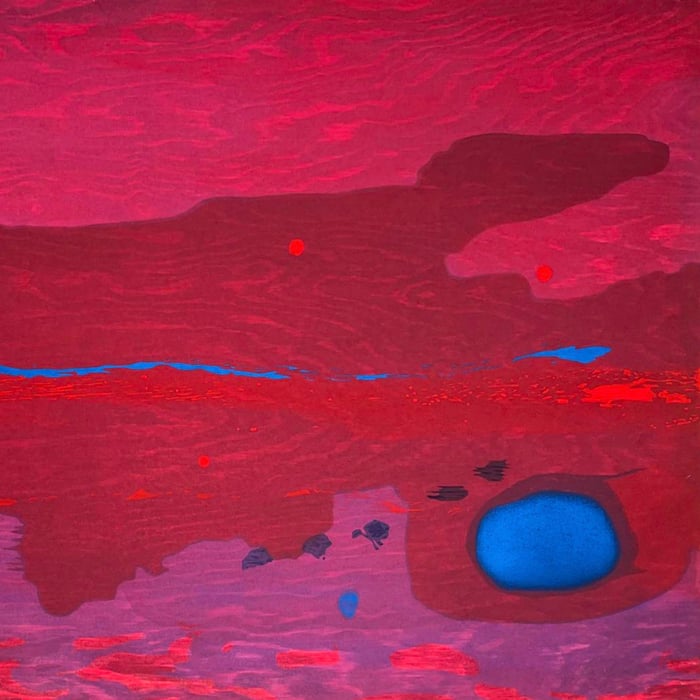

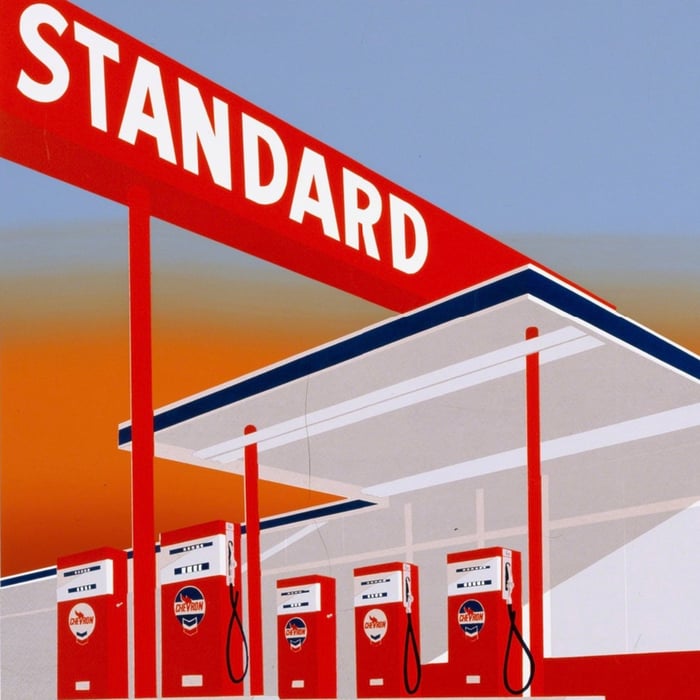
Capitalist Realism is a German form of political pop art that emerged in Cold War-era Berlin in 1963. It sought to challenge the dominance of American pop art in the Western world. The movement blended the ideologies of both pop art and socialist realism, offering a critique of consumer culture and political power.

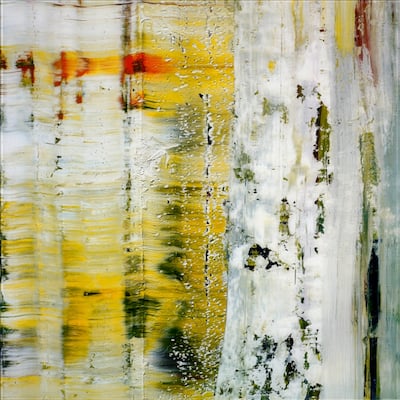
Abstract Expressionism is an art movement that emerged in the United States during the 1940s and 1950s. Characterized by large, abstract canvases, the movement emphasized spontaneous, expressive brushwork and the use of color and form to convey emotion rather than represent reality. Artists like Jackson Pollock, Mark Rothko, and Willem de Kooning are key figures in this movement. Abstract Expressionism marked a shift in the art world, making New York City a center of the international art scene.

Emulation is the process of recreating digital art to ensure it remains accessible and functional, even when the original technology used to create it becomes obsolete. This is done by using newer technology to replicate the experience and functionality of the original artwork, preserving art made with early cameras, software, and computers.
Can't find your Answer?
Thank you! Your question has been sent — we'll get back to you shortly.
