

United States
The contemporary art scene in the United States is a dynamic fusion of diverse traditions and avant-garde explorations, resonating across the global art spectrum. Institutions like the Museum of Modern Art in New York and the Los Angeles County Museum of Art are central to this discourse, spotlighting artists from different backgrounds and mediums. Notable figures such as Jeff Koons, known for his monumental public sculptures, and Kara Walker, recognized for her poignant silhouettes and murals, contribute to the vibrant US artistic landscape. Major events like Art Basel Miami further underline the country's role as a nexus of contemporary art. Dive into the robust and compelling art scene of the United States on Composition Gallery's website.
- Show All
- Established
- Discoveries
- Show All
Artworks Related to United States
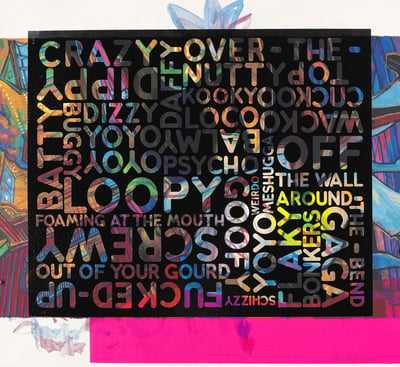
Mel Bochner
Crazy (With background Noise) , 2018
Limited Edition Print
Screen-print
EUR 9,000

Mel Ramos
Lola Cola - The Pause That Refreshes #2 , 2005
Limited Edition Print
Lithograph
EUR 5,000

Donald Sultan
Button flower aqua, Sept 15, 2014, 2014
Limited Edition Print
Silkscreen
EUR 2,800
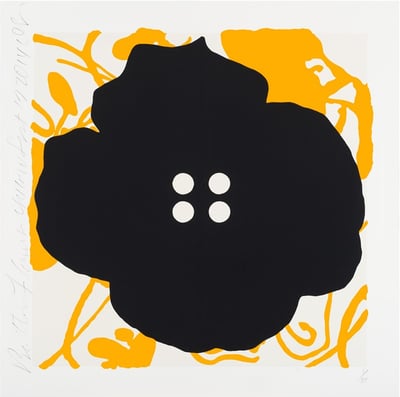
Donald Sultan
Button flower yellow, Sept 17, 2014, 2014
Limited Edition Print
Silkscreen
EUR 2,800
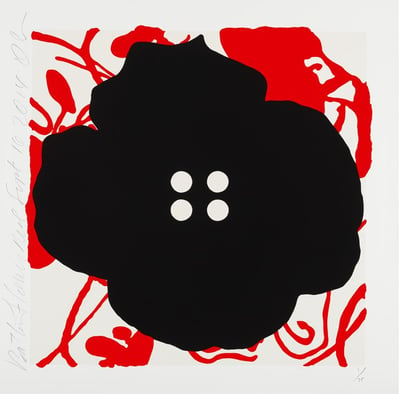
Donald Sultan
Button flower red, Sept 16, 2014, 2014
Limited Edition Print
Silkscreen
EUR 2,800

Donald Sultan
Button Down Boogie Woogie, 2016
Limited Edition Print
Archival Print
EUR 2,800
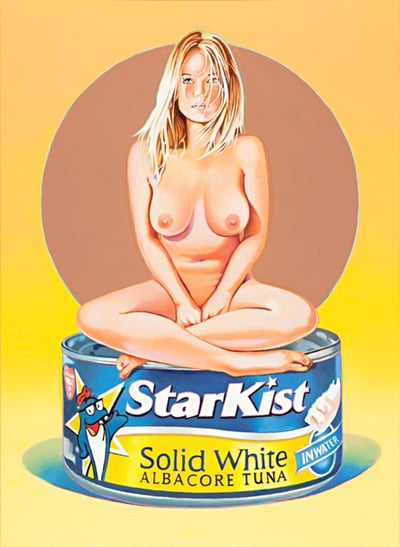
Mel Ramos
Starkist Stacey , 2014
Limited Edition Print
Lithograph
EUR 3,800

Mel Ramos
Havanna 11, 2016
Limited Edition Print
Lithograph
EUR 9,000
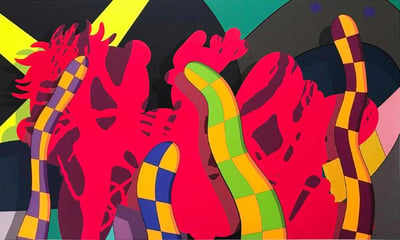
KAWS
Lost time, 2017
Limited Edition Print
Serigraph
Inquire For Price
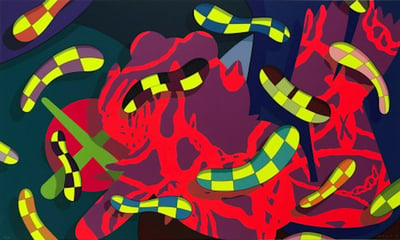
KAWS
Alone again, 2018
Limited Edition Print
Serigraph
Inquire For Price
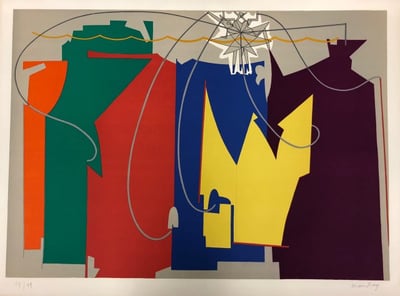
Man Ray
Danza Di Corda, 1972
Limited Edition Print
Lithograph
EUR 3,750
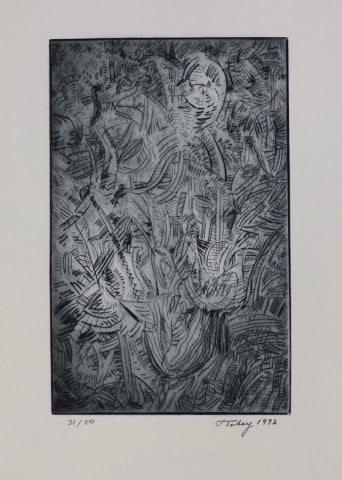
Mark Tobey
Album internacional, 1973
Limited Edition Print
Etching
EUR 850

Robert Rauschenberg
Opal Gospel Panel III, 1971
Limited Edition Print
Screen-print
USD 2,400

Robert Rauschenberg
Opal Gospel Panel I, 1971
Limited Edition Print
Screen-print
USD 1,850

Jeff Koons
Dolphin Saddle, 2009
Limited Edition Print
Lithograph
GBP 10,700
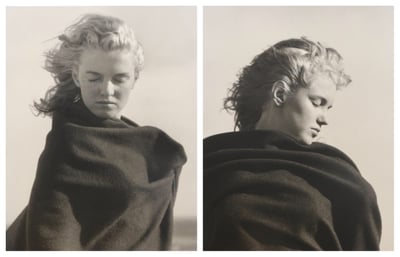
Andre de Dienes
Marilyn Monroe (Set of 2), 1946
Photography
Gelatin Silver Print
USD 3,000
Related Articles
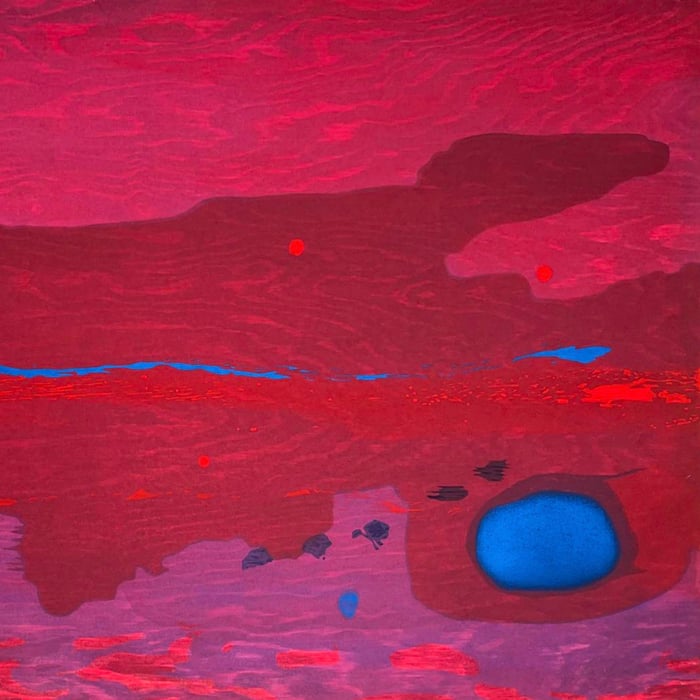

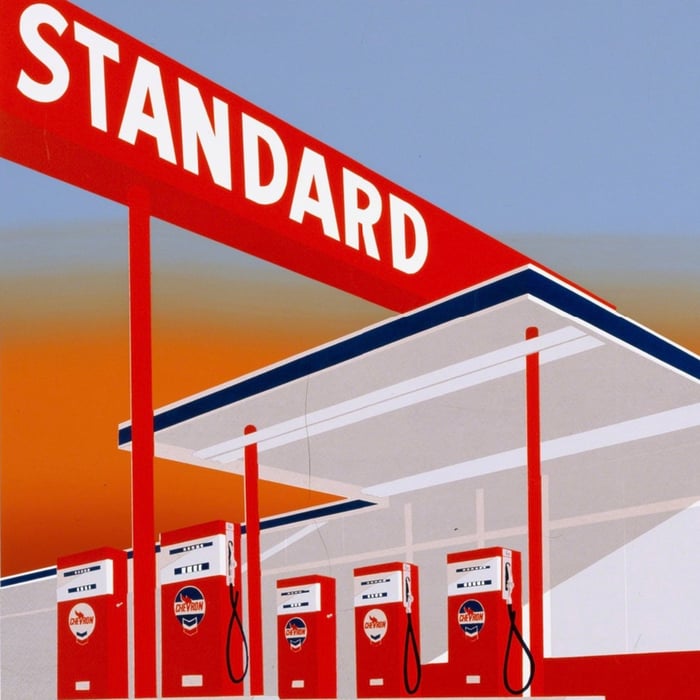

Digital art refers to artistic practices or works that utilize digital technology as an essential component of both the creation and presentation process. Since the 1970s, various terms like multimedia and computer art have been used to describe this practice. Digital art is a subset of the broader category known as new media art, which has brought significant changes to the art world. Technology has transformed traditional forms of painting, drawing, sound/music, and sculpture into new digital formats, expanding the possibilities of artistic expression.
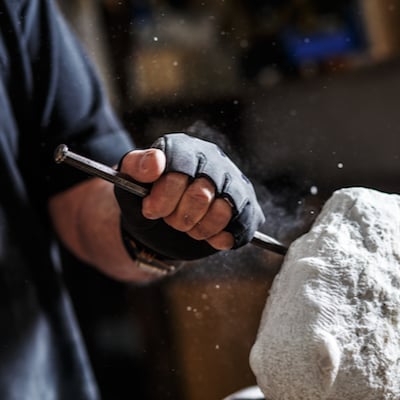
Marble is a rare and expensive metamorphic rock composed of recrystallized limestone. It has been used for centuries to create statues, decorative floors, and walls due to its translucency and durability. Marble is ideal for both free-standing statues and relief sculptures. When carving, the material is chiseled away in small increments to achieve the desired form.
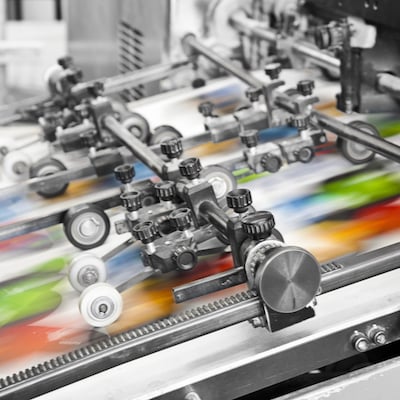
Offset lithography is a printing technique where the inked image is first transferred (offset) from a plate to a rubber blanket and then to the printing surface. This method combines the lithographic process, which relies on the repulsion of water and oil, to keep non-printing areas ink-free by attracting a water-based film. Offset lithography was originally developed to reduce costs in reproducing artwork and is widely used for high-volume printing due to its efficiency and ability to produce sharp, consistent images.
Can't find your Answer?
Thank you! Your question has been sent — we'll get back to you shortly.
