

United States
The contemporary art scene in the United States is a dynamic fusion of diverse traditions and avant-garde explorations, resonating across the global art spectrum. Institutions like the Museum of Modern Art in New York and the Los Angeles County Museum of Art are central to this discourse, spotlighting artists from different backgrounds and mediums. Notable figures such as Jeff Koons, known for his monumental public sculptures, and Kara Walker, recognized for her poignant silhouettes and murals, contribute to the vibrant US artistic landscape. Major events like Art Basel Miami further underline the country's role as a nexus of contemporary art. Dive into the robust and compelling art scene of the United States on Composition Gallery's website.
- Show All
- Established
- Discoveries
- Show All
Artworks Related to United States

Keith Haring
Apocalypse IV, 1988
Limited Edition Print
Silkscreen
EUR 22,350
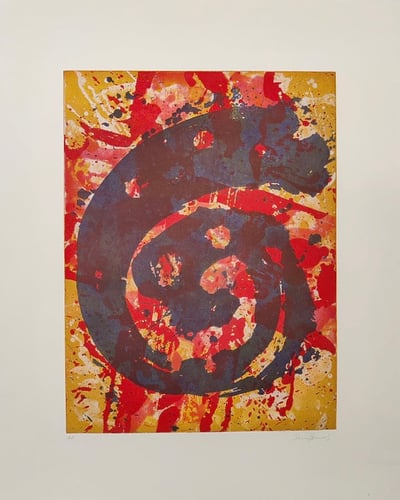
Sam Francis
Mehrfarbige Spirale, 1970
Limited Edition Print
Etching and Aquatint
USD 5,250
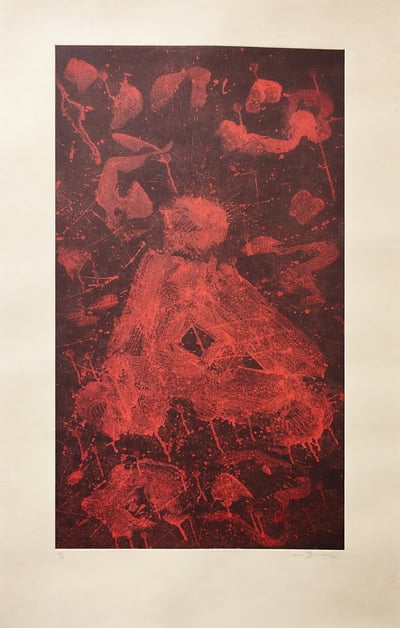
Sam Francis
Untitled (SFE-021), 1984
Limited Edition Print
Aquatint
USD 5,250

Andy Warhol
Cow, II.12A, 1971
Limited Edition Print
Silkscreen
USD 9,350
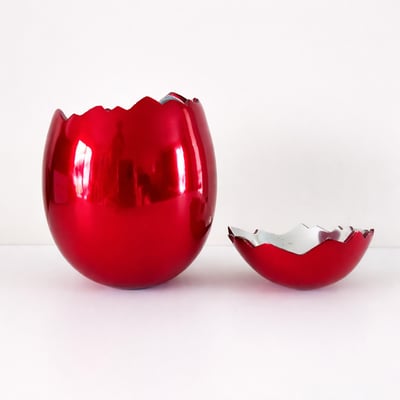
Jeff Koons
Cracked Egg (Red), 2008
Sculpture / Object
Metal
USD 3,200

Adolph Gottlieb
Germination, 1969
Limited Edition Print
Lithograph
USD 3,300
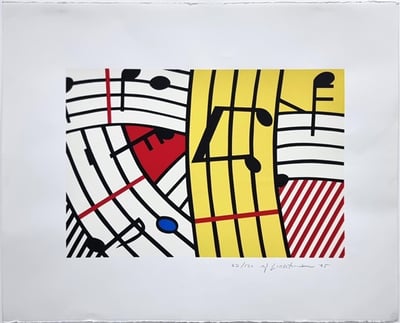
Roy Lichtenstein
Composition IV, 1995
Limited Edition Print
Screen-print
Inquire For Price

Alexander Calder
Os et Serpent, 1969
Limited Edition Print
Lithograph
USD 8,400

Alexander Calder
Derriere Le Miroir, 1975
Limited Edition Print
Lithograph
USD 6,000

Tom Wesselmann
Bedroom Blonde, 1987
Sculpture / Object
Porcelain
USD 18,900

Alexander Calder
One Plate from The Sacrilege of Alan Kent, 1976
Limited Edition Print
Aquatint
USD 4,600

Alexander Calder
Rain, 1972
Limited Edition Print
Lithograph
USD 5,800

Frank Stella
Sharpesville, from Multicolored Squares I, 1972
Limited Edition Print
Lithograph
USD 7,000

Brice Marden
Tiles, 1979
Limited Edition Print
Etching and Aquatint
USD 5,370
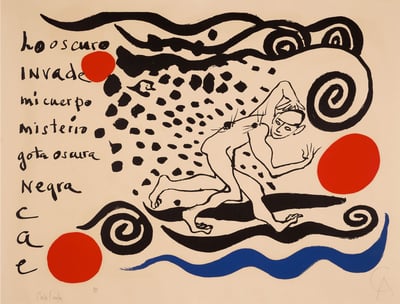
Alexander Calder
Lo oscuro invade, 1970
Limited Edition Print
Lithograph
USD 1,600

Alexander Calder
Le Chevalier, 1968
Limited Edition Print
Lithograph
USD 3,750
Related Articles
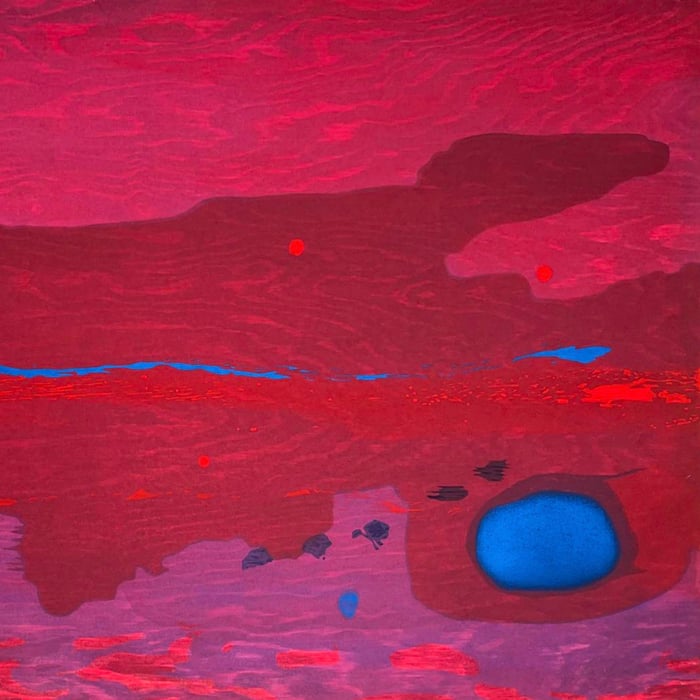

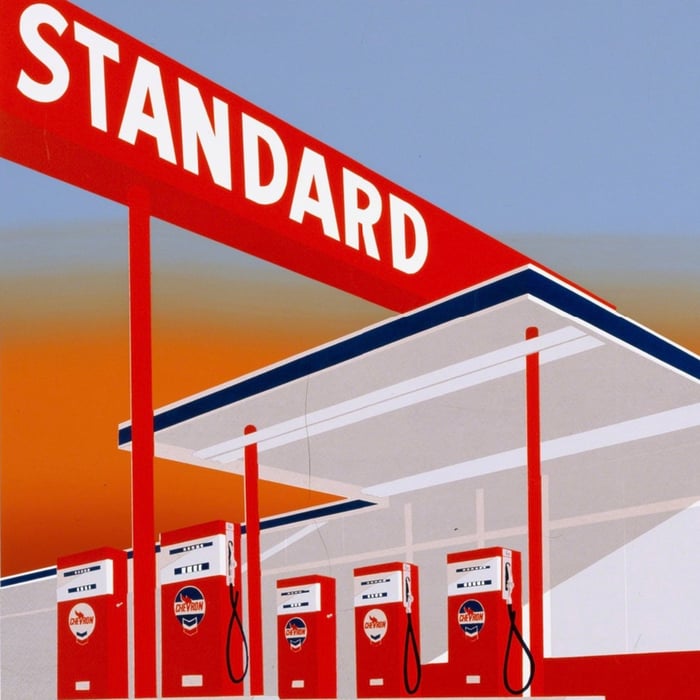

Shock Art is an art movement that uses disturbing images, scents, or sounds to provoke a strong, often shocked, reaction from viewers. It is often regarded as a form of social commentary, with critics and supporters debating whether its impact is positive or negative. Shock Art frequently employs taboo, obscene, or outrageous elements to challenge societal norms and provoke critical thought.

Constructivism is an architectural and artistic philosophy of Russian origin that emerged as a rejection of the idea of autonomous art. The movement advocated for art to serve practical social purposes. Since its inception in 1919, Constructivism has evolved and significantly impacted 20th-century art movements, influencing major trends such as De Stijl and Bauhaus.
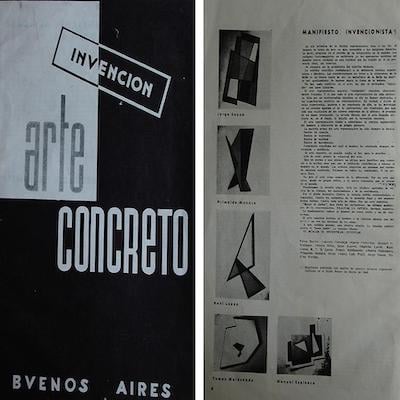
The Manifesto Invencionista was published in 1946, marking the beginning of the concrete art movement in Buenos Aires, Argentina. Written by artist Tomás Maldonado and published by the Asociación Arte Concreto-Invención, the manifesto announced the principles of Concrete Art. Concrete art is purely abstract, with no reference to visual reality, emphasizing geometric forms and the materiality of the artwork itself.
Can't find your Answer?
Thank you! Your question has been sent — we'll get back to you shortly.
