
United States
The contemporary art scene in the United States is a dynamic fusion of diverse traditions and avant-garde explorations, resonating across the global art spectrum. Institutions like the Museum of Modern Art in New York and the Los Angeles County Museum of Art are central to this discourse, spotlighting artists from different backgrounds and mediums. Notable figures such as Jeff Koons, known for his monumental public sculptures, and Kara Walker, recognized for her poignant silhouettes and murals, contribute to the vibrant US artistic landscape. Major events like Art Basel Miami further underline the country's role as a nexus of contemporary art. Dive into the robust and compelling art scene of the United States on Composition Gallery's website.
- Show All
- Established
- Discoveries
- Show All
Artworks Related to United States
Roy Lichtenstein
Private Listing
Limited Edition Print
Mel Ramos
Private Listing
Painting
Tom Wesselmann
Private Listing
Drawing / Watercolor
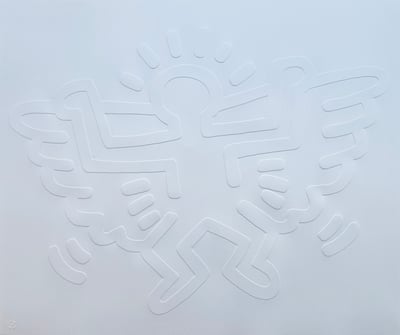
Keith Haring
White Icons (C) - Winged Angel, 1990
Limited Edition Print
Embossing
USD 15,000 - 20,000
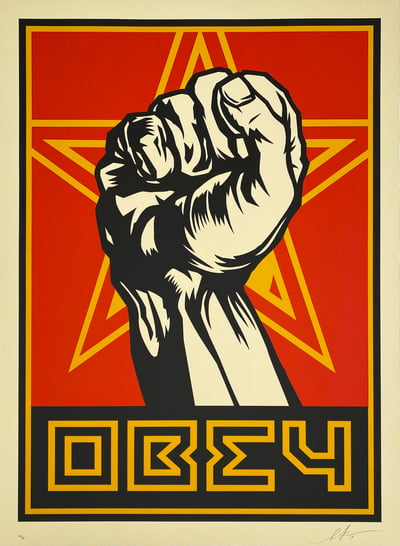
Shepard Fairey
Obey, 2019
Limited Edition Print
Mixed Media
Currently Not Available

Robert Indiana
The American Dream (Metamorphosis of Norma Jean Mortenson), 1996
Limited Edition Print
Silkscreen
USD 3,750
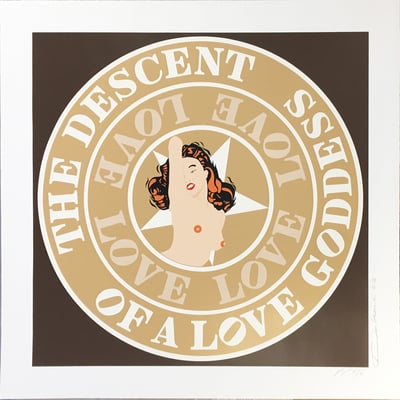
Robert Indiana
(Marilyn) Descent of a Love Goddess, 2008
Limited Edition Print
Silkscreen
USD 6,250
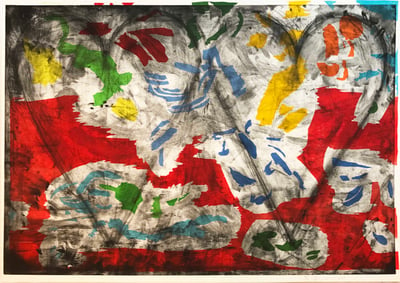
Jim Dine
Radiant Landscape, 2015
Limited Edition Print
Mixed Media
USD 17,750
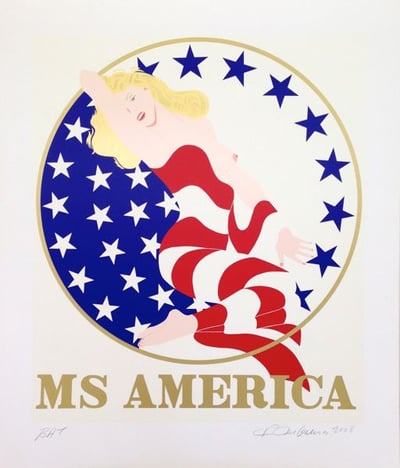
Robert Indiana
Marilyn Ms. America, 2008
Limited Edition Print
Silkscreen
USD 4,800
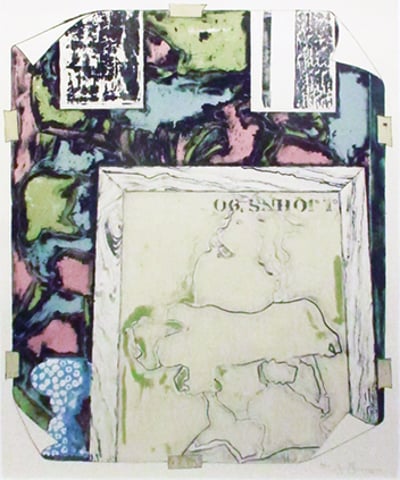
Jasper Johns
Untitled (Fragmented Frame), 1992
Limited Edition Print
Lithograph
USD 10,700
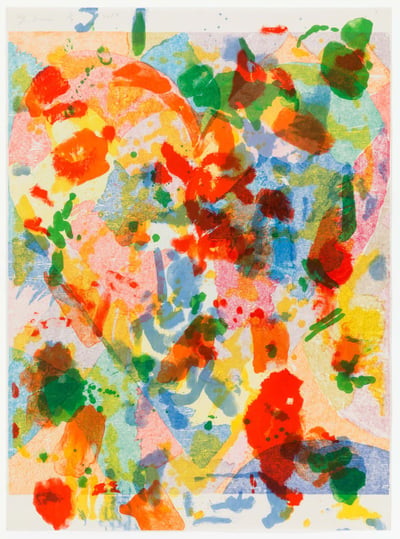
Jim Dine
Poem on Main Street, 2017
Limited Edition Print
Lithograph
USD 19,950
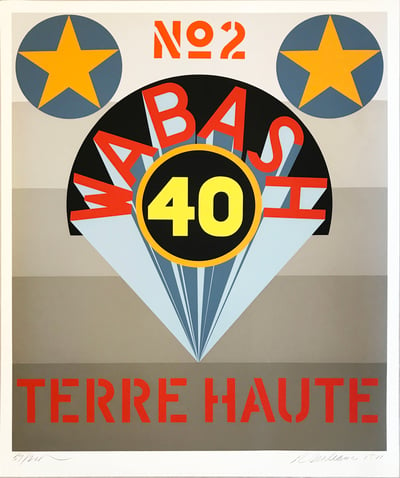
Robert Indiana
Decade (Terre Haute No. 2), 1971
Limited Edition Print
Screen-print
USD 3,200
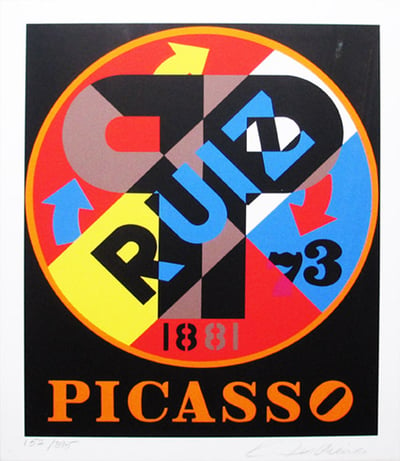
Robert Indiana
The American Dream (Picasso), 1996
Limited Edition Print
Silkscreen
USD 3,900
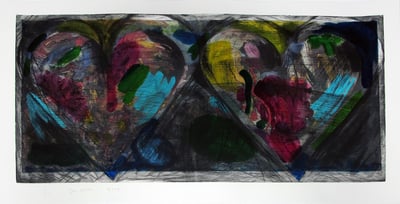
Jim Dine
Blue Points, 2014
Limited Edition Print
Mixed Media
USD 15,300
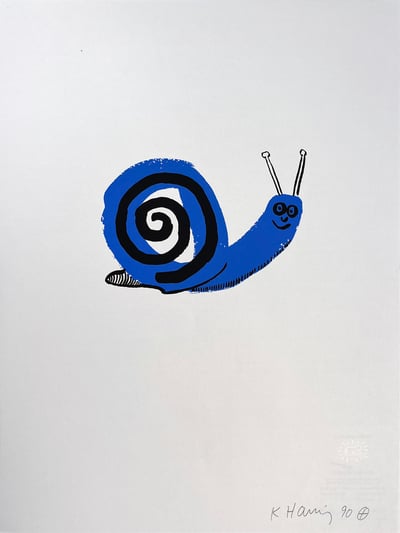
Keith Haring
Story of Red and Blue #10, 1989
Limited Edition Print
Lithograph
USD 4,800
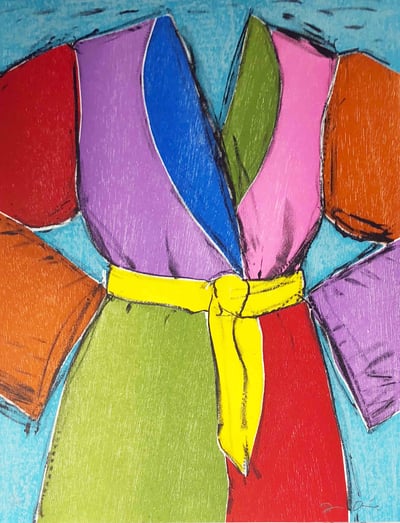
Jim Dine
The Yellow Belt, 2005
Limited Edition Print
Mixed Media
USD 6,500
Related Articles
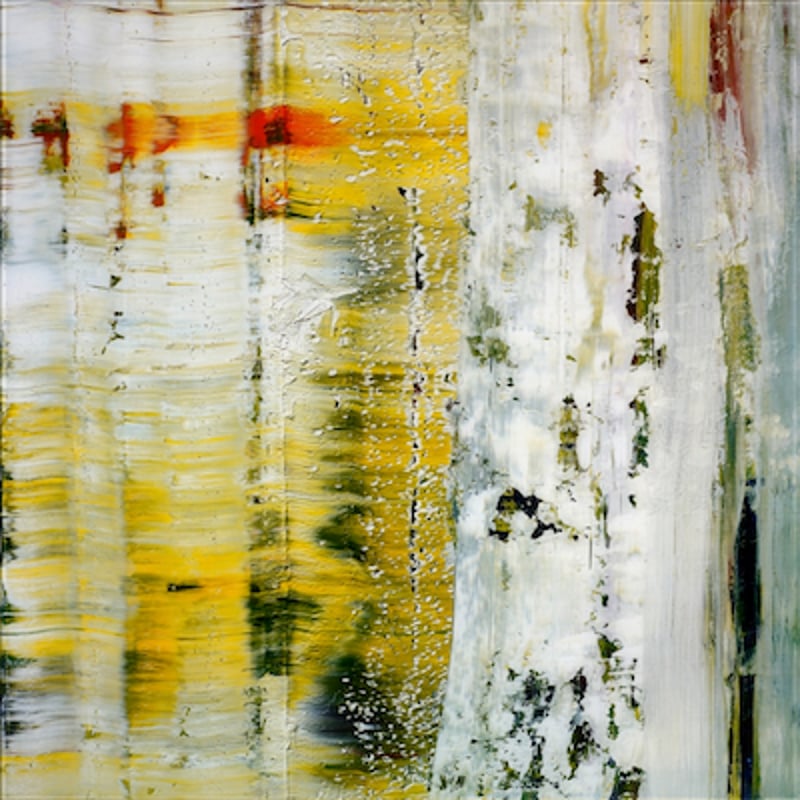
Capitalist Realism is a German form of political pop art that emerged in Cold War-era Berlin in 1963. It sought to challenge the dominance of American pop art in the Western world. The movement blended the ideologies of both pop art and socialist realism, offering a critique of consumer culture and political power.

CoBrA stands for Copenhagen, Brussels, and Amsterdam; the group was formed with a desire to break away from the existing art movements of the time. Their critique of Western society led them to experiment and evolve into a significant international movement. CoBrA was founded on November 8, 1948, at the Notre Dame Café in Paris, where its manifesto was signed by Karel Appel, Joseph Noiret, Corneille, Christian Dotremont, Constant, and Asger Jorn. The group was united by a shared commitment to freedom in both form and color, and their work emphasized experimentation and spontaneity.
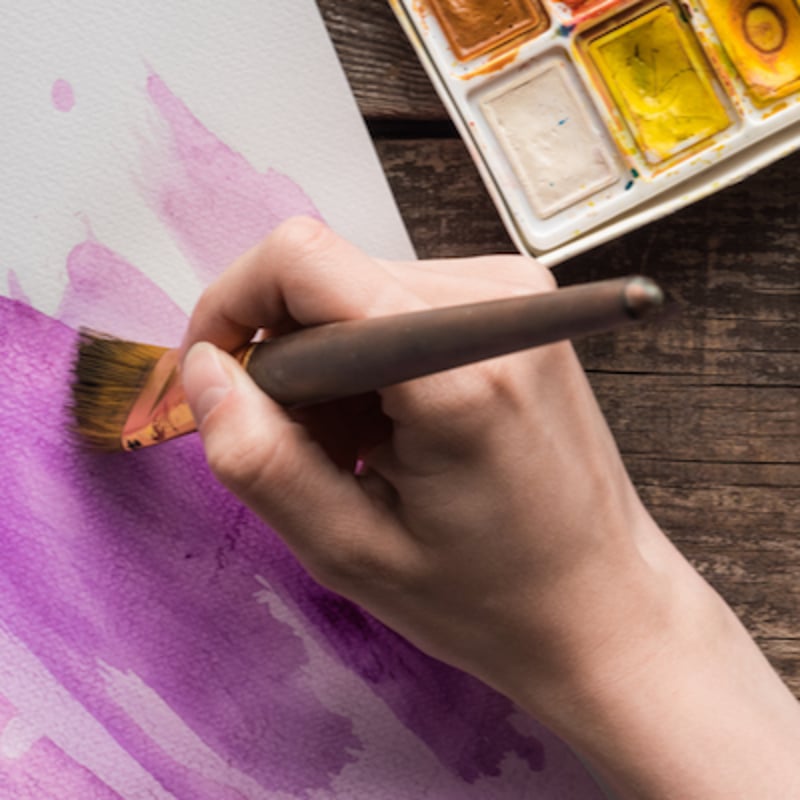
Acrylic on paper is a technique that involves using acrylic paints on various paper types and textures. Artists often choose watercolor paper with smooth or rough surfaces to apply acrylics using watercolor techniques such as bleeding, washing, and spattering. This approach allows for a wide range of effects, combining the flexibility of acrylics with the delicate qualities of watercolor methods.
Can't find your Answer?
Thank you! Your question has been sent — we'll get back to you shortly.
