
United States
The contemporary art scene in the United States is a dynamic fusion of diverse traditions and avant-garde explorations, resonating across the global art spectrum. Institutions like the Museum of Modern Art in New York and the Los Angeles County Museum of Art are central to this discourse, spotlighting artists from different backgrounds and mediums. Notable figures such as Jeff Koons, known for his monumental public sculptures, and Kara Walker, recognized for her poignant silhouettes and murals, contribute to the vibrant US artistic landscape. Major events like Art Basel Miami further underline the country's role as a nexus of contemporary art. Dive into the robust and compelling art scene of the United States on Composition Gallery's website.
- Show All
- Established
- Discoveries
- Show All
Artworks Related to United States
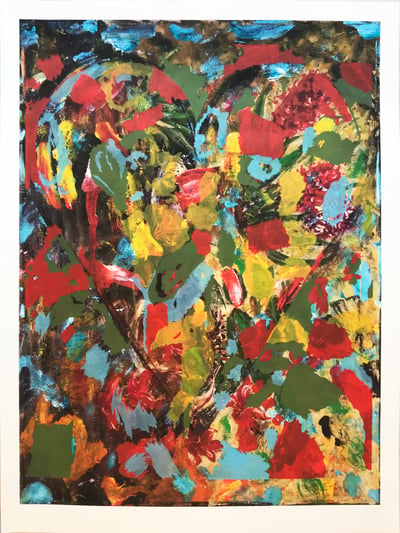
Jim Dine
The Big One, 2011
Limited Edition Print
Mixed Media
USD 21,000
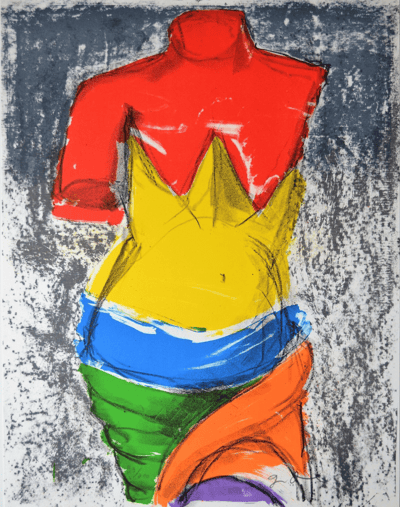
Jim Dine
The Bather, 2005
Limited Edition Print
Lithograph
USD 4,300
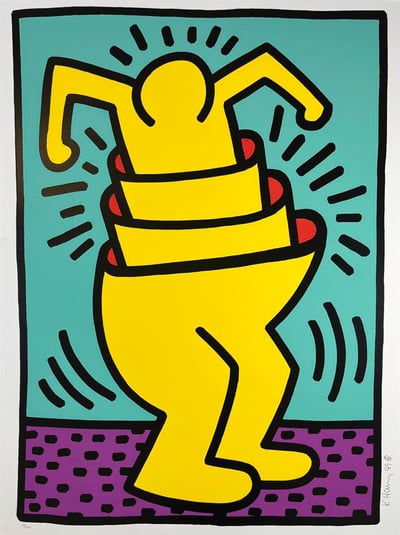
Keith Haring
Untitled (Cup Man), 1989
Limited Edition Print
Screen-print
USD 90,000 - 120,000
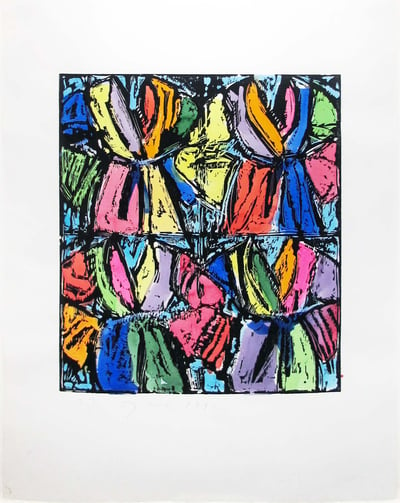
Jim Dine
Dexter's Four Robes, 1992
Limited Edition Print
Woodcut
USD 10,700
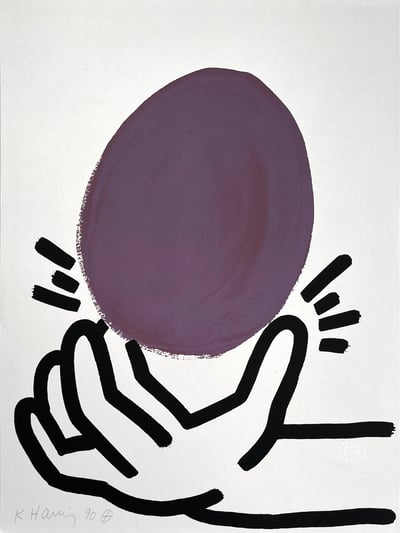
Keith Haring
Story of Red and Blue #20, 1989
Limited Edition Print
Lithograph
USD 4,850
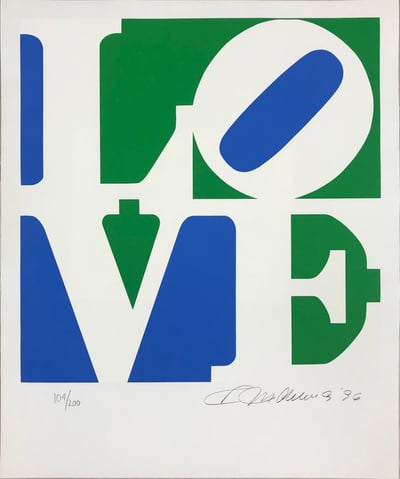
Robert Indiana
The Book of Love 8, 1996
Limited Edition Print
Screen-print
USD 15,900
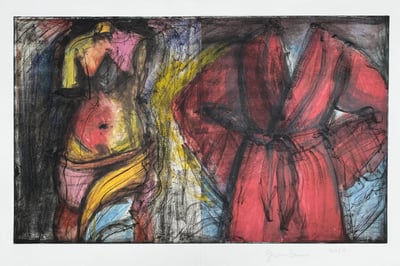
Jim Dine
Yesteryear, 2015
Limited Edition Print
Mixed Media
USD 21,000
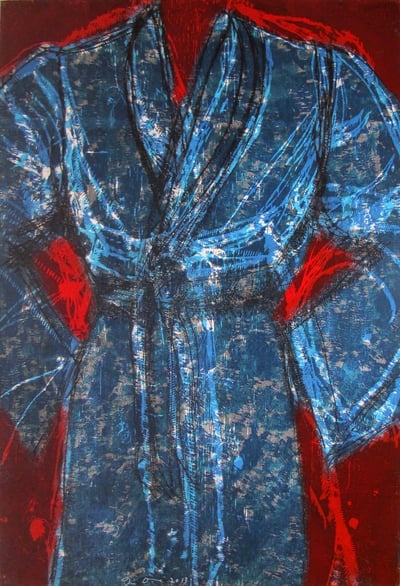
Jim Dine
Blue Vienna, 2013
Limited Edition Print
Mixed Media
Currently Not Available
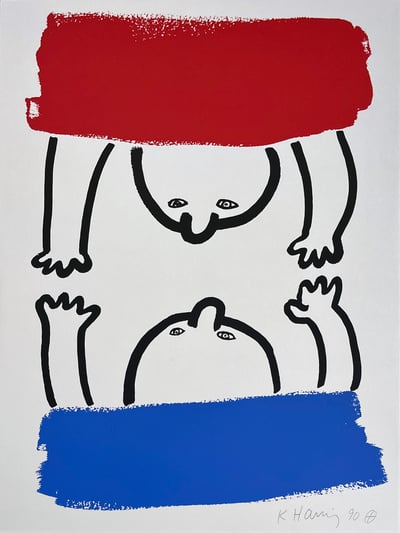
Keith Haring
Story of Red and Blue #16, 1989
Limited Edition Print
Lithograph
USD 7,400
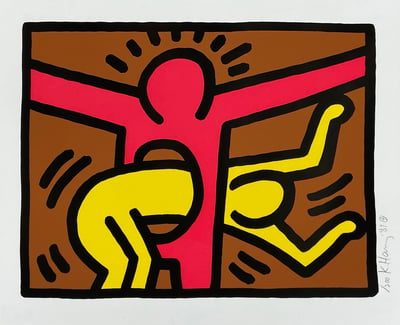
Keith Haring
Pop Shop IV (C), 1989
Limited Edition Print
Silkscreen
USD 40,000 - 50,000
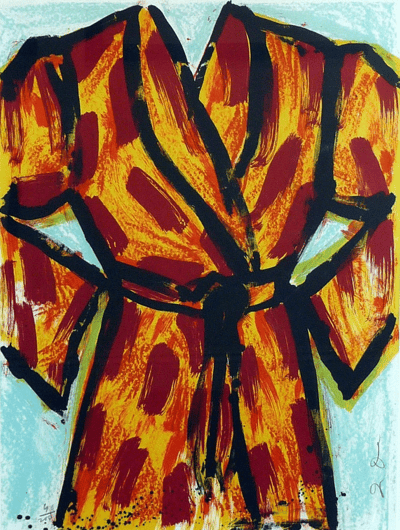
Jim Dine
Black Ink Robe, 2005
Limited Edition Print
Mixed Media
USD 4,850
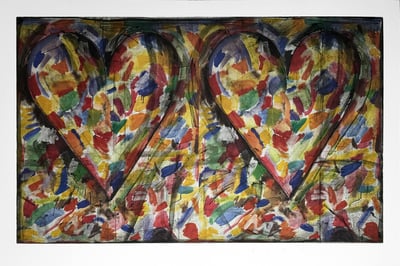
Jim Dine
Years Ago, 2015
Limited Edition Print
Mixed Media
USD 16,600
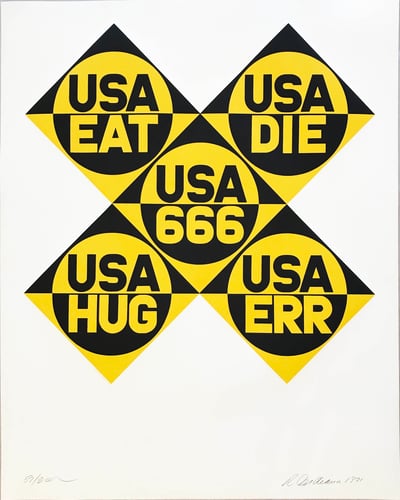
Robert Indiana
Decade (USA 666), 1971
Limited Edition Print
Screen-print
USD 3,850
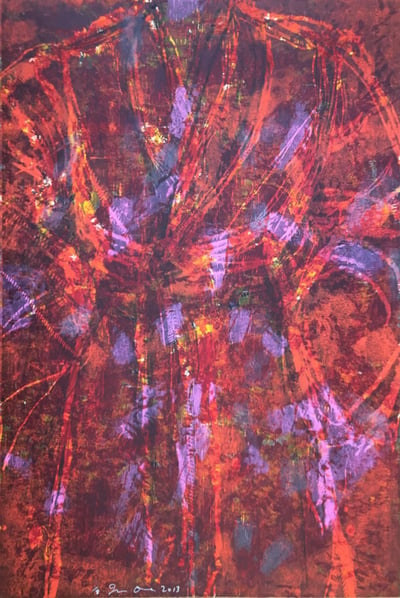
Jim Dine
Transparent Grey Robe, 2013
Limited Edition Print
Mixed Media
USD 21,000
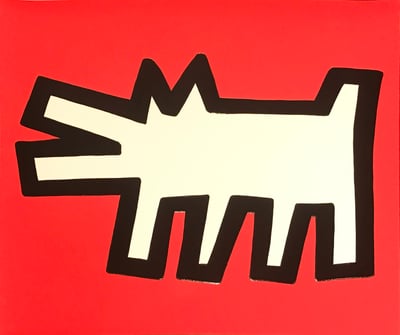
Keith Haring
Icons (B) - Barking Dog, 1990
Limited Edition Print
Silkscreen
USD 55,000 - 65,000
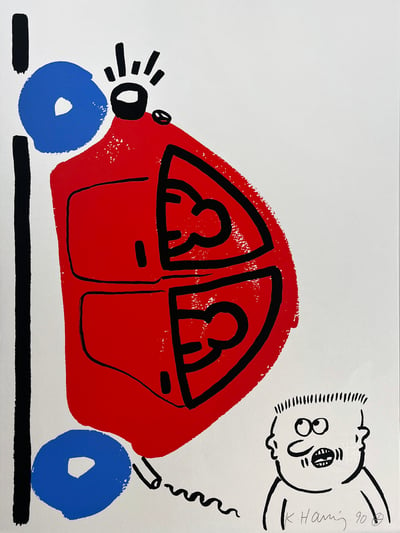
Keith Haring
Story of Red and Blue #15, 1989
Limited Edition Print
Lithograph
USD 7,200
Related Articles
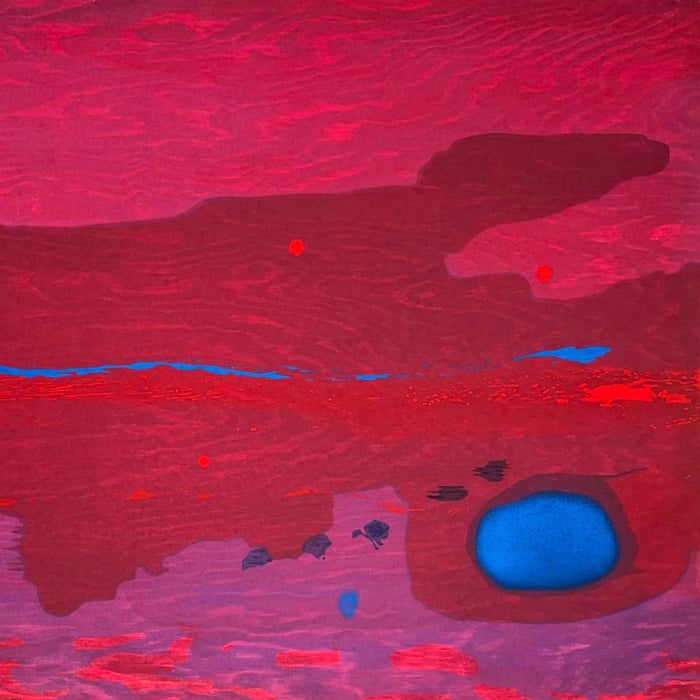
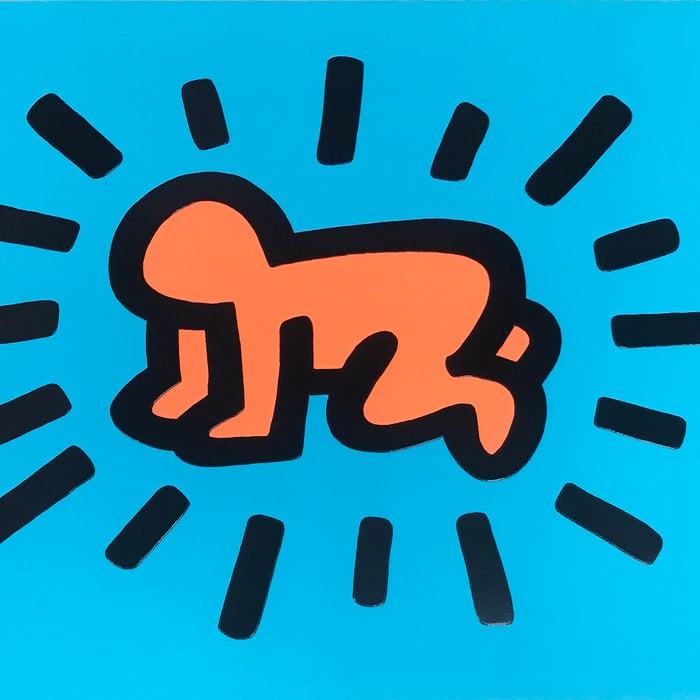
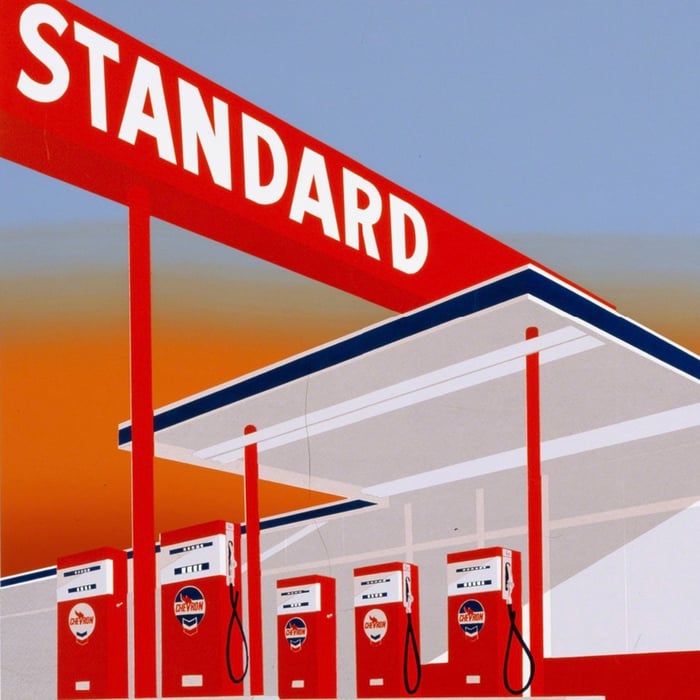

Engraving is a printmaking technique where a metal plate or surface is directly cut using a sharp engraving tool called a burin. The tool creates deep lines or grooves, which are then filled with ink. The plate is pressed onto paper with heavy pressure, transferring the inked image. This process results in a clear and precise print.
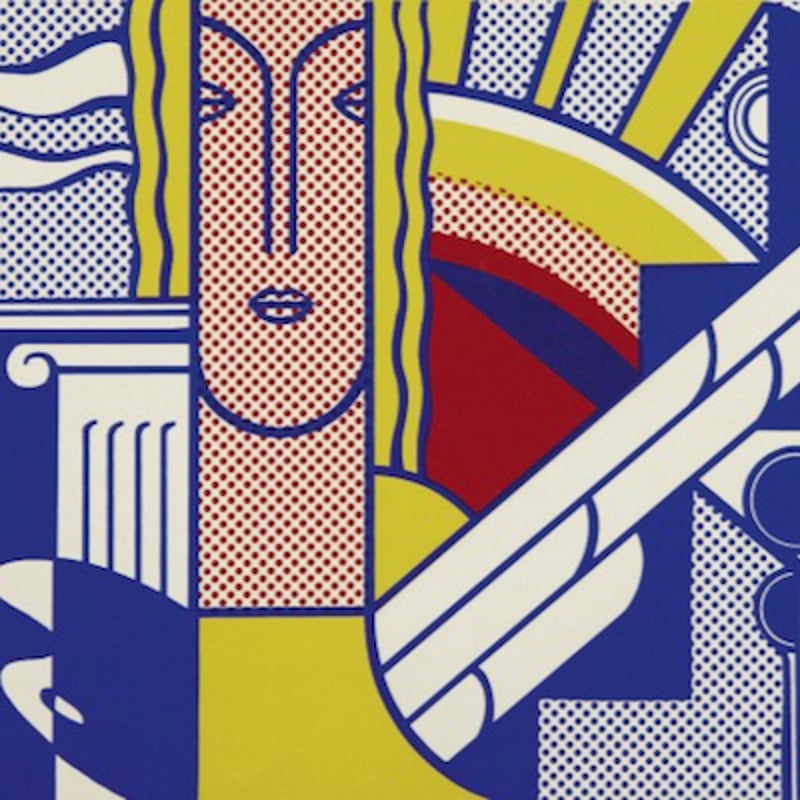
Late Modernism refers to the continuation and evolution of Modernist principles in art, architecture, and literature from the mid-20th century into the late 20th century. This movement maintains a focus on form, abstraction, and the rejection of traditional styles, but it often incorporates more complexity and ambiguity compared to early Modernism. Late Modernism explores themes such as alienation, identity, and the fragmentation of reality, reflecting the social and cultural shifts of the post-war period. It is seen in the works of architects like Louis Kahn and artists like Francis Bacon, who pushed the boundaries of Modernism while responding to the changing world around them.

A replica is a copy of an artwork that is so precisely made that it is nearly indistinguishable from the original. Artists may create replicas of their own work, or replicas can be produced for educational purposes, preservation, or display when the original cannot be shown. While replicas aim to closely mimic the original, they are usually identified as reproductions rather than original works.
Can't find your Answer?
Thank you! Your question has been sent — we'll get back to you shortly.
