
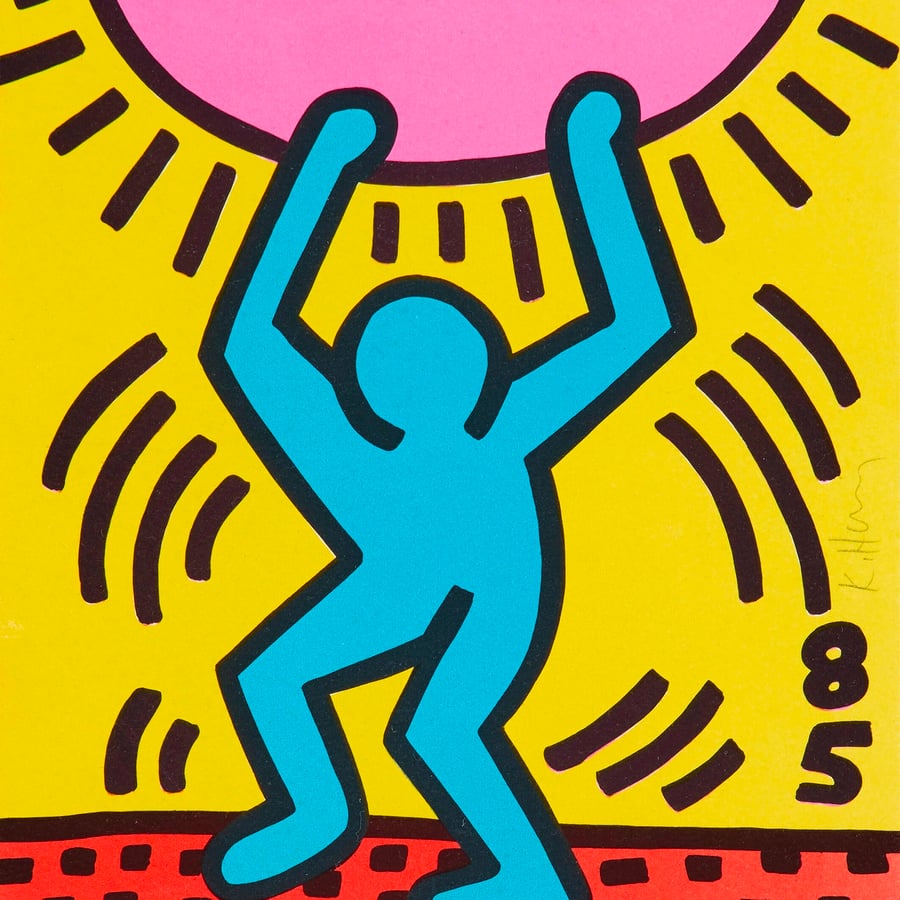
United States
The contemporary art scene in the United States is a dynamic fusion of diverse traditions and avant-garde explorations, resonating across the global art spectrum. Institutions like the Museum of Modern Art in New York and the Los Angeles County Museum of Art are central to this discourse, spotlighting artists from different backgrounds and mediums. Notable figures such as Jeff Koons, known for his monumental public sculptures, and Kara Walker, recognized for her poignant silhouettes and murals, contribute to the vibrant US artistic landscape. Major events like Art Basel Miami further underline the country's role as a nexus of contemporary art. Dive into the robust and compelling art scene of the United States on Composition Gallery's website.
- Show All
- Established
- Discoveries
- Show All
Artworks Related to United States
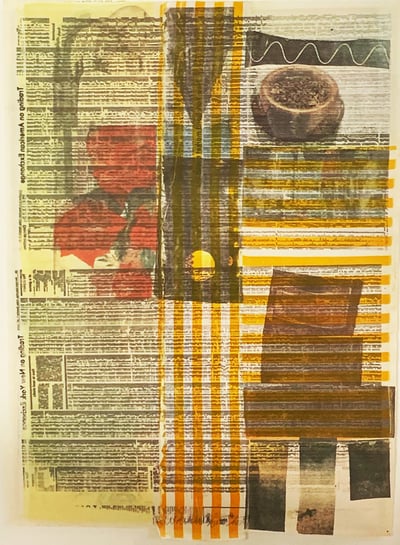
Robert Rauschenberg
One More & We Will Be More Than Halfway There, 1979
Limited Edition Print
Screen-print
USD 4,350
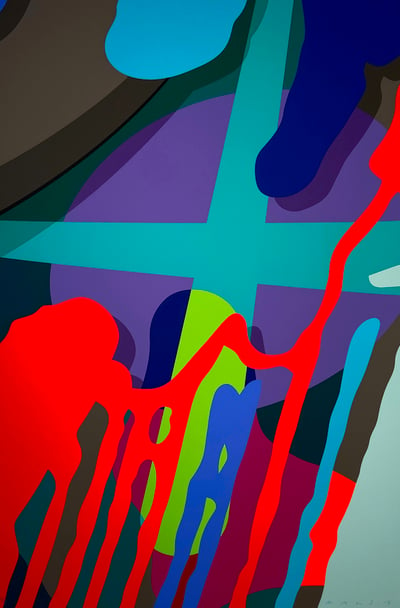
KAWS
Tension #6, 2019
Limited Edition Print
Serigraph
USD 15,400
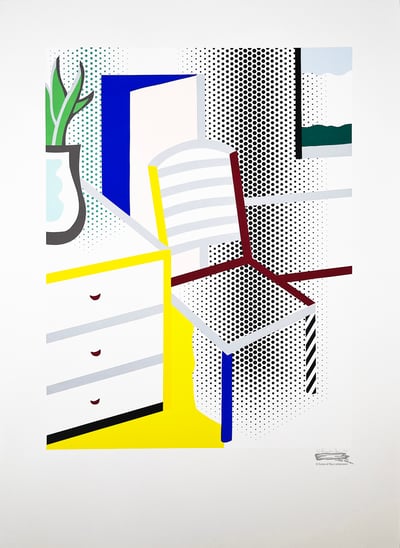
Roy Lichtenstein
Interior with Chair from the Leo Castelli 90th Birthday portfolio, 1997
Limited Edition Print
Screen-print
USD 30,000 - 40,000
Robert Longo
Private Listing
Drawing / Watercolor

Jim Dine
The Magnets, 2010
Limited Edition Print
Collage
USD 18,700
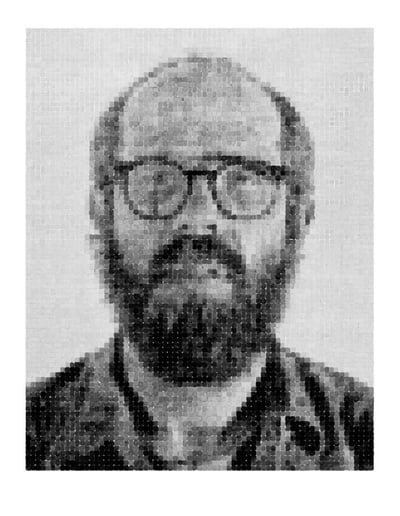
Chuck Close
Self Portrait (2), 2012
Limited Edition Print
Mixed Media
USD 6,760
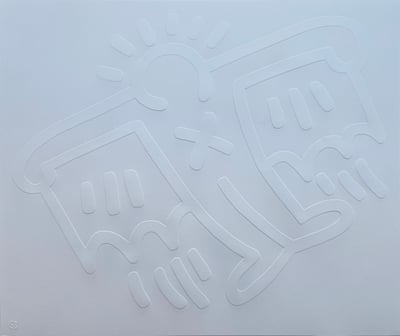
Keith Haring
White Icons (D) - X-Man, 1990
Limited Edition Print
Embossing
USD 15,500
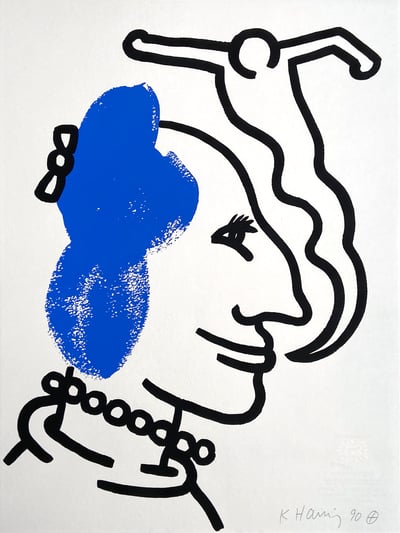
Keith Haring
Story of Red and Blue #6, 1989
Limited Edition Print
Lithograph
USD 5,700
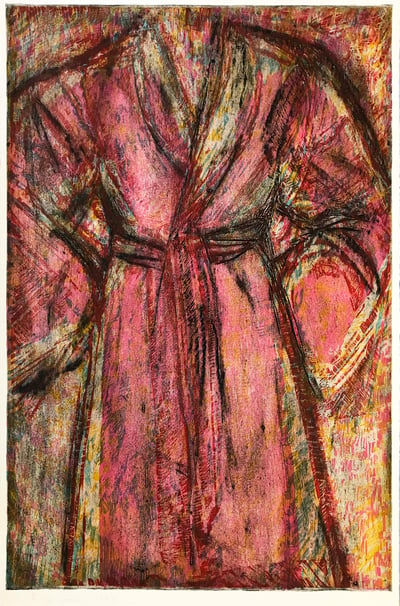
Jim Dine
Rosy Robe, 1998
Limited Edition Print
Woodcut
USD 20,700

Robert Indiana
President's Beloved Norma Jean, 2008
Limited Edition Print
Silkscreen
USD 3,200

Robert Indiana
The American Dream (One Indiana Square), 1996
Limited Edition Print
Silkscreen
USD 3,700
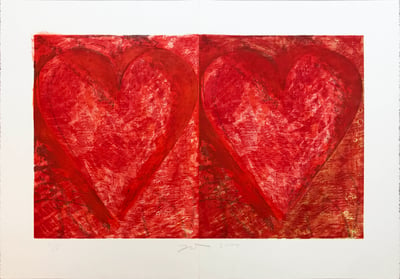
Jim Dine
Jam and Jelly, 2000
Limited Edition Print
Mixed Media
USD 16,500
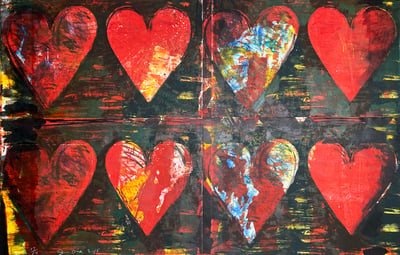
Jim Dine
Chartres - Second Version, 2015
Limited Edition Print
Mixed Media
USD 20,000 - 30,000
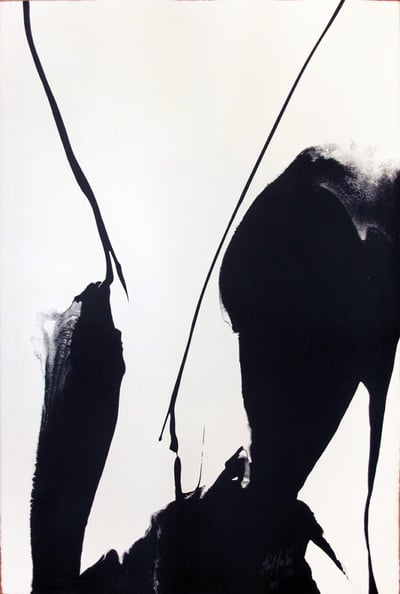
Paul Jenkins
Untitled (Black Strokes), 1971
Limited Edition Print
Lithograph
USD 1,580
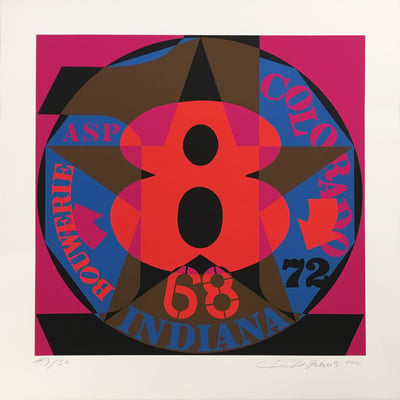
Robert Indiana
Decade Autoportrait '68, 2001
Limited Edition Print
Silkscreen
USD 5,500
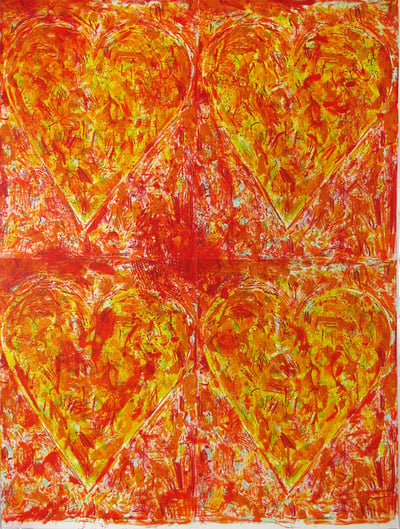
Jim Dine
The Red Patch, 2005
Limited Edition Print
Lithograph
USD 18,900
Related Articles
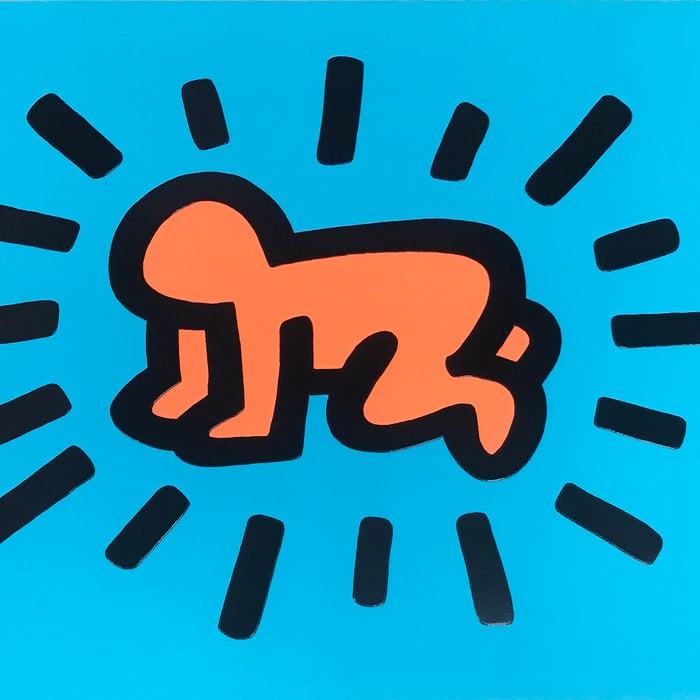

Bronze is a metal alloy made primarily of copper and tin, with a typical modern composition of 88% copper and 12% tin. Over time, bronze develops a patina, a surface color that often turns deep green due to oxidation. Large bronze objects, such as sculptures, are typically made in foundries. Bronze is valued for its durability and has been widely used throughout history for art, tools, and weapons.
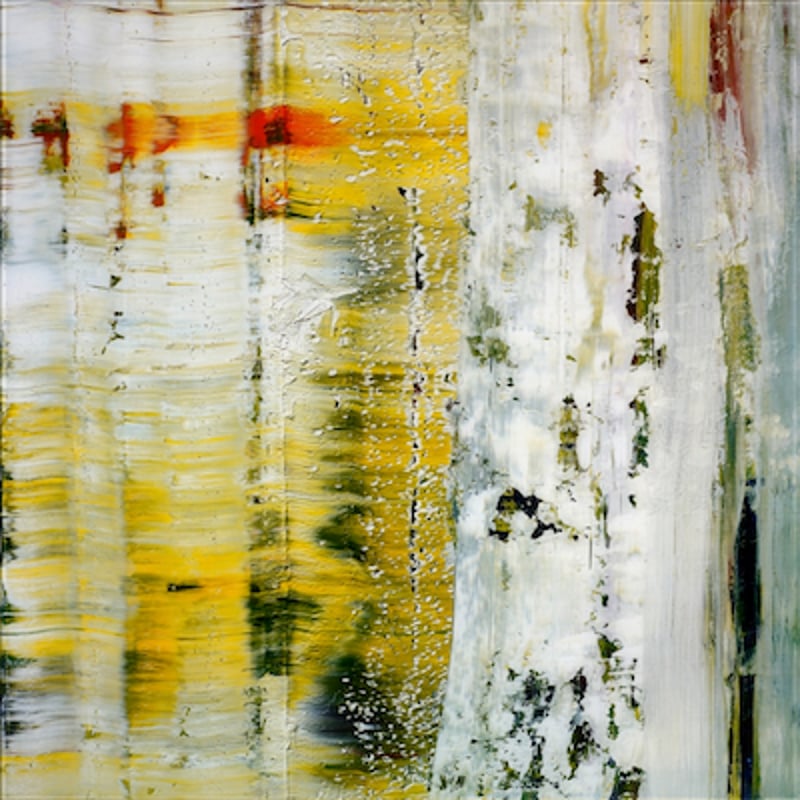
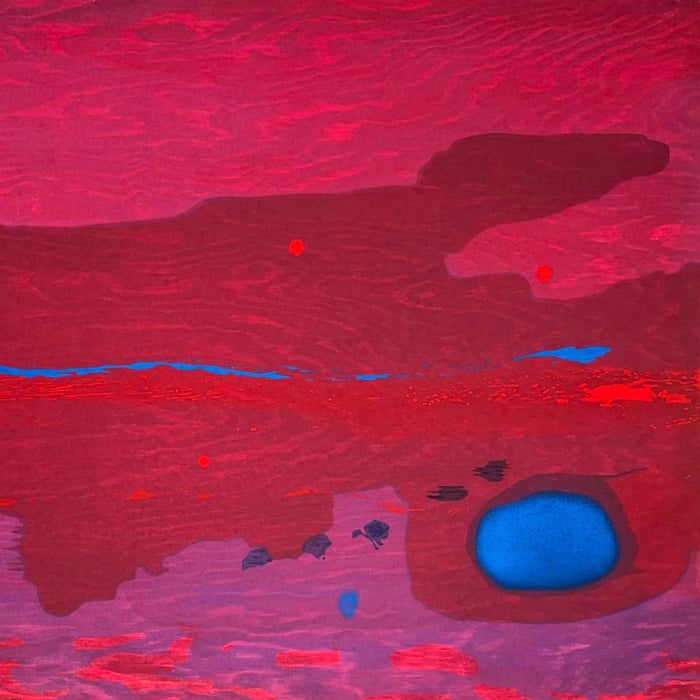
Capitalist Realism is a German form of political pop art that emerged in Cold War-era Berlin in 1963. It sought to challenge the dominance of American pop art in the Western world. The movement blended the ideologies of both pop art and socialist realism, offering a critique of consumer culture and political power.
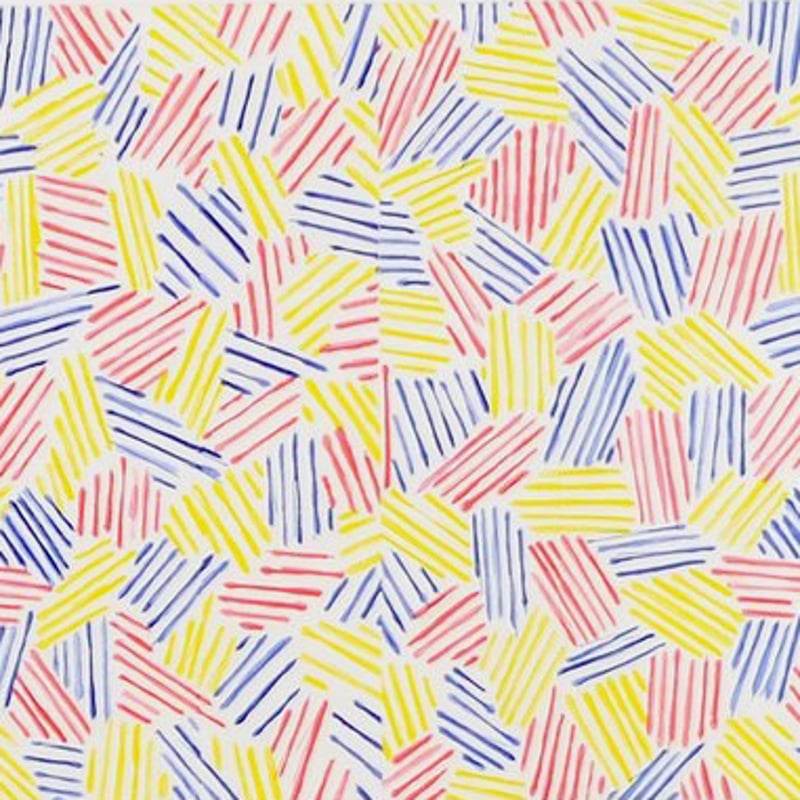
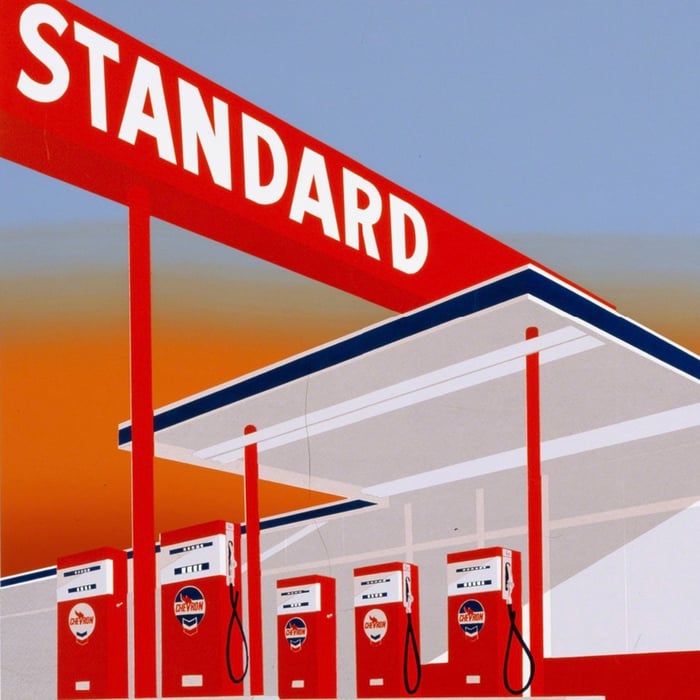
Intaglio is a printmaking technique where a design is incised below the surface of a metal or stone plate. Ink is applied to the plate, filling the incised lines or depressions, while the surface is wiped clean. The ink in the depressions is then transferred to paper using an etching press. Common intaglio techniques include engraving, etching, and drypoint.
Can't find your Answer?
Thank you! Your question has been sent — we'll get back to you shortly.
