
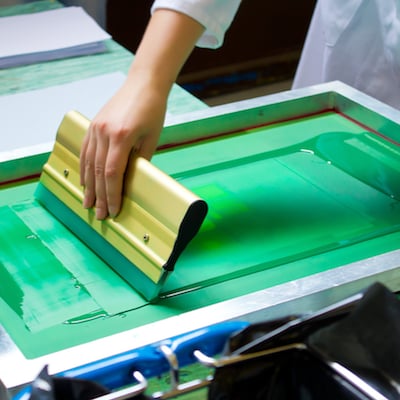
What is a screen-print?
- Show All
- Established
- Discoveries
- Show All
Artworks Related to Screen-print
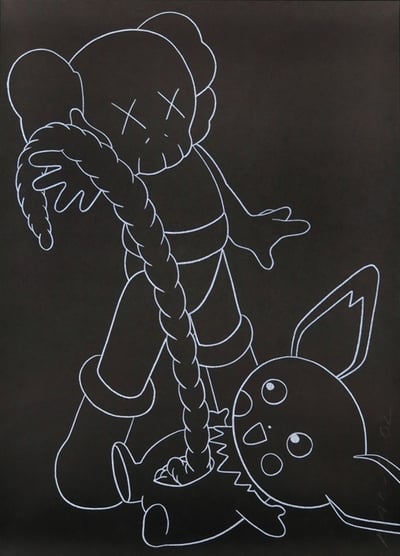
KAWS
Companion vs Pikachu, 2002
Limited Edition Print
Screen-print
USD 11,350

Robert Rauschenberg
Relic (Speculations), 1997
Limited Edition Print
Screen-print
USD 11,900
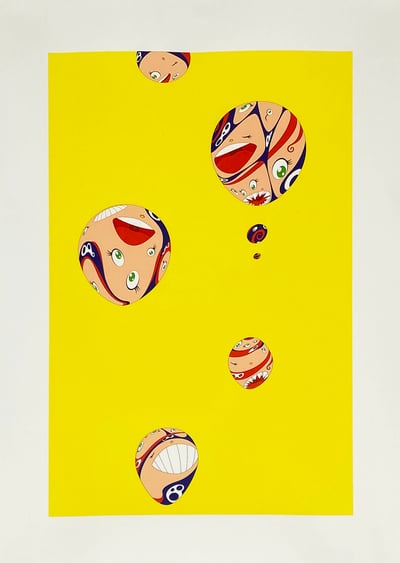
Takashi Murakami
Puka Puka
Limited Edition Print
Screen-print
USD 11,900

Robert Rauschenberg
Daydream (Speculations), 1997
Limited Edition Print
Screen-print
USD 12,950
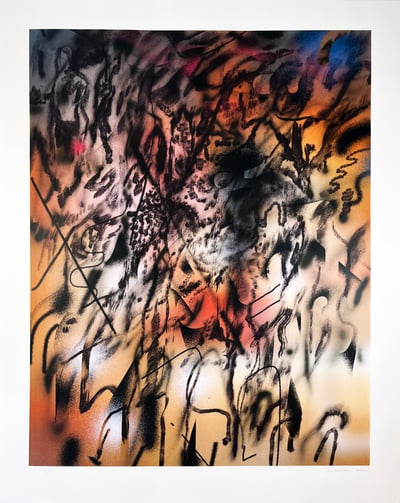
Julie Mehretu
Corner of Lake and Minnehaha, 2022
Limited Edition Print
Screen-print
USD 65,000 - 80,000

Joseph Kosuth
Titled Quotation (for L.C.) from the portfolio of Leo Castelli's 90th Birthday, 1997
Limited Edition Print
Screen-print
USD 1,650
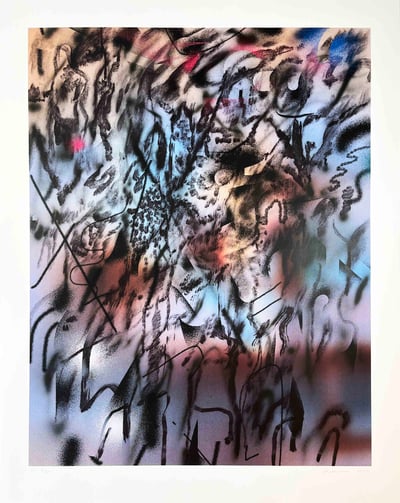
Julie Mehretu
Corner of Lake and Minnehaha (blue), 2022
Limited Edition Print
Screen-print
USD 70,000 - 80,000

Takashi Murakami
Flowers on the Island Closest to Heaven, 2018
Limited Edition Print
Screen-print
USD 7,950
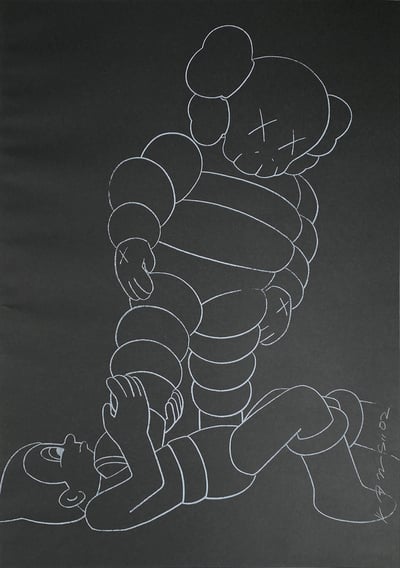
KAWS
Chum vs Astroboy, 2002
Limited Edition Print
Screen-print
Inquire For Price

Alex Katz
Black Hats IV, 2012
Limited Edition Print
Screen-print
USD 100,000 - 120,000

Takashi Murakami
That Sounds Good, I Hope You Can Do That, 2019
Limited Edition Print
Screen-print
USD 14,250
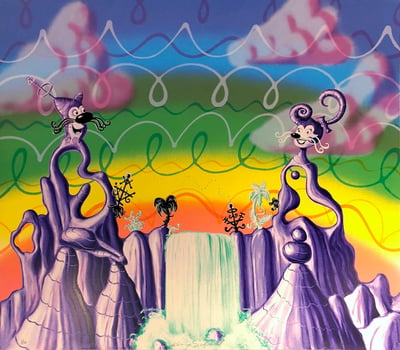
Kenny Scharf
Aqua Pollination, 1988
Limited Edition Print
Screen-print
USD 3,000

Kenny Scharf
Acid Rain, 1988
Limited Edition Print
Screen-print
USD 3,000
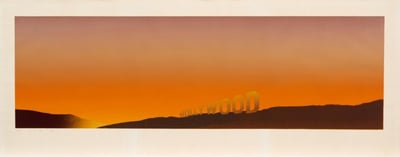
Ed Ruscha
Hollywood, 1968
Limited Edition Print
Screen-print
Currently Not Available

Takashi Murakami
Cherry Blossoms in Bloom, 2020
Limited Edition Print
Screen-print
USD 9,950
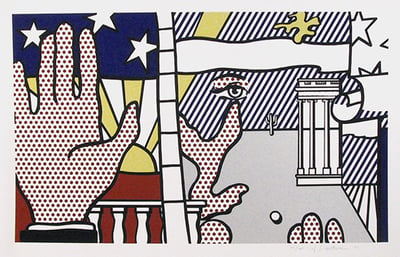
Roy Lichtenstein
Inaugural Print from the Inaugural Impressions portfolio, 1977
Limited Edition Print
Screen-print
USD 25,000 - 35,000
Related Articles


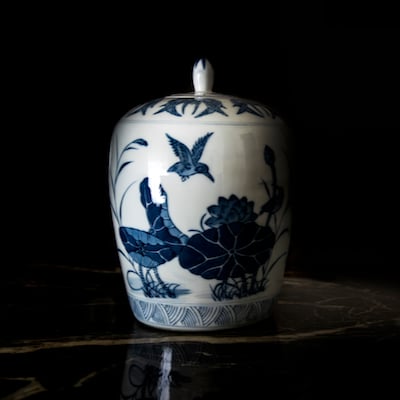
Porcelain is a hard, durable material made from clay, primarily composed of the mineral kaolinite. It is fired at high temperatures, resulting in a fine, white, and often translucent finish. Porcelain is used to create art objects and a wide range of household items such as dishes and bowls. Porcelain items are especially popular for painting with special glazes due to their smooth surface and ability to hold intricate designs.
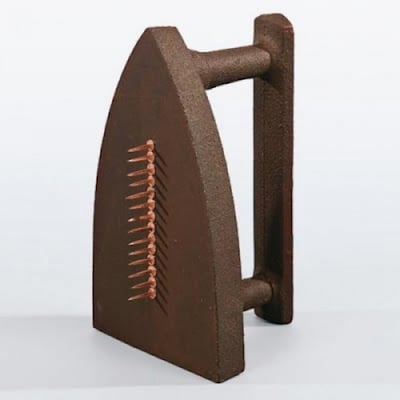
Readymade is the term coined by French artist Marcel Duchamp to describe artworks created from manufactured objects. Duchamp selected ordinary, functional items that he felt had visual indifference, turning them into art simply by choosing and presenting them in a new context. This concept challenged traditional notions of art and continues to influence artists who adopt similar approaches today.

Kitsch is a term used to describe cheap, commercial, sentimental, or vulgar art and objects commonly associated with popular culture. The word is borrowed from German, where it originally means trash. Since the 1920s, kitsch has been used to denote the opposite of high art, often implying that the work lacks sophistication or artistic merit.
Can't find your Answer?
Thank you! Your question has been sent — we'll get back to you shortly.
