
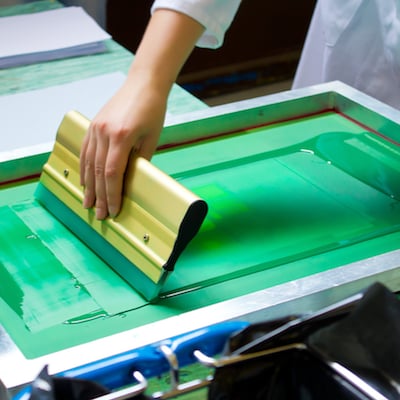
What is a screen-print?
- Show All
- Established
- Discoveries
- Show All
Artworks Related to Screen-print

Andy Warhol
Mick Jagger (F & S II.145), 1975
Limited Edition Print
Screen-print
Inquire For Price

Andy Warhol
Mao (F & S II.95), 1972
Limited Edition Print
Screen-print
Inquire For Price
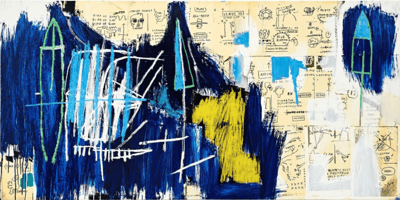
Jean-Michel Basquiat
Odours Of Punt, 1983-2024
Limited Edition Print
Screen-print
Inquire For Price
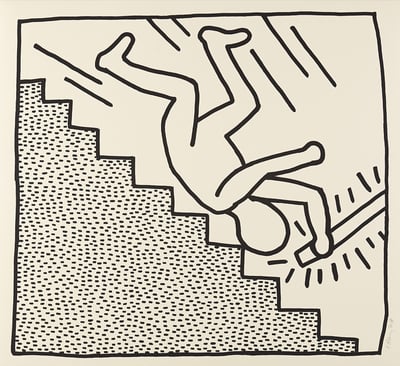
Keith Haring
Untitled (Plate 16) from The Blueprint Drawings, 1990
Limited Edition Print
Screen-print
USD 35,000 - 45,000
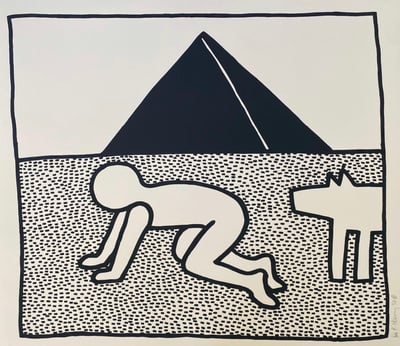
Keith Haring
Untitled (Plate 17) from The Blueprint Drawings, 1990
Limited Edition Print
Screen-print
USD 35,000 - 45,000

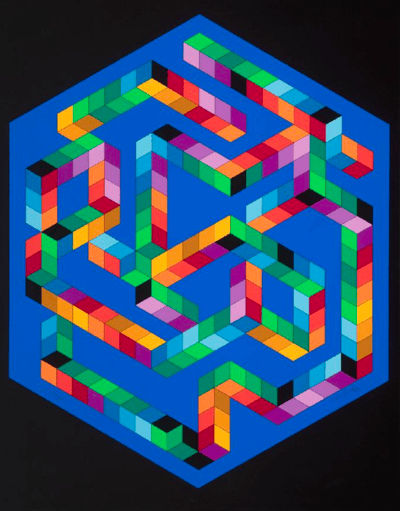
Victor Vasarely
OETA, 1959
Limited Edition Print
Screen-print
USD 1,000
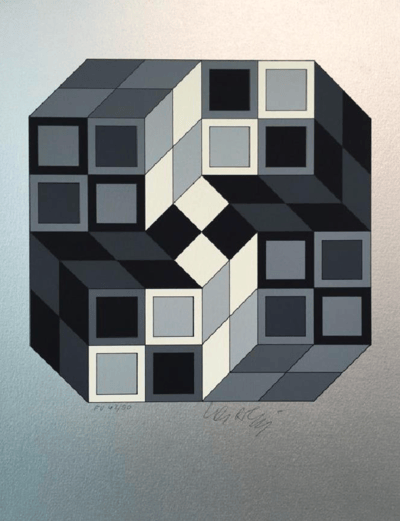
Victor Vasarely
Babel 3, 1978
Limited Edition Print
Screen-print
USD 950
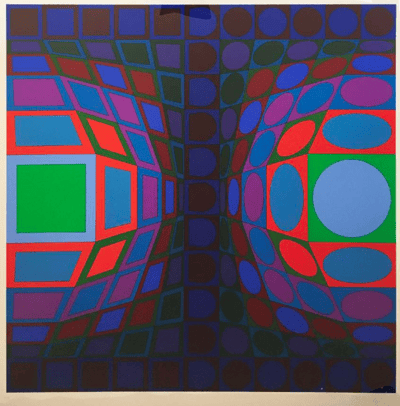
Victor Vasarely
Silver Composition, 1980
Limited Edition Print
Screen-print
Currently Not Available
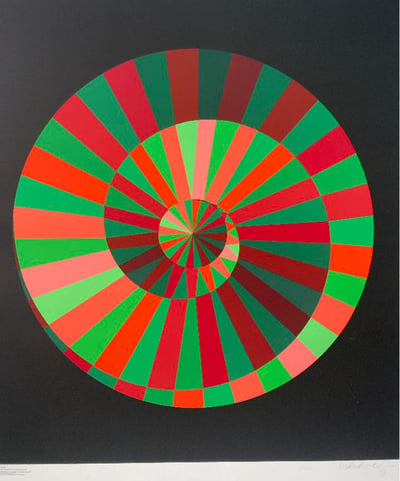
Victor Vasarely
Viva, 1974
Limited Edition Print
Screen-print
USD 1,100
Victor Vasarely
Kraft und Natur I, 1972
Limited Edition Print
Screen-print
Currently Not Available

Alex Katz
Grey Ribbon, 1990
Limited Edition Print
Screen-print
USD 5,500

Donald Sultan
Wall Flower IX, 2008
Limited Edition Print
Screen-print
Inquire For Price

David Shrigley
The Plant Loves Me I Am So Lucky, 2023
Limited Edition Print
Screen-print
USD 2,550

Alex Katz
Ada with Sunglasses , 1990
Limited Edition Print
Screen-print
USD 9,200

Yayoi Kusama
Pumpkin 2000 (Yellow), 2000
Limited Edition Print
Screen-print
Currently Not Available

Alex Katz
White Roses, 2014
Limited Edition Print
Screen-print
EUR 55,000
Related Articles


Performance Art is a genre of fine art that is traditionally interdisciplinary, involving various art forms. It can be scripted or unscripted, random or carefully orchestrated, spontaneous, or meticulously planned, with or without audience participation. Performance Art can be presented live or through media, with the artist either present or absent. It typically involves four basic elements: space, the performer’s body or presence through a medium, time, and the relationship between performer and audience. The artwork consists of actions performed by an individual or group in a specific time and space.

Sand consists of loose grains of material primarily made up of minerals like quartz, mica, and feldspar, as well as small fragments of rocks. Sand paintings are created by pouring colored sand into intricate designs, often for cultural rituals or special celebrations. These designs can take many days to complete and are traditionally brushed away after the ceremony, emphasizing the impermanence of the artwork.

Viennese Actionism was a short-lived but intense art movement in the 20th century, emerging as part of the broader action art efforts of the 1960s. Known for its violent and provocative performances, the movement sought to break traditional art boundaries. Key figures in this movement included Arnulf Rainer and Hermann Nitsch.
Can't find your Answer?
Thank you! Your question has been sent — we'll get back to you shortly.
