
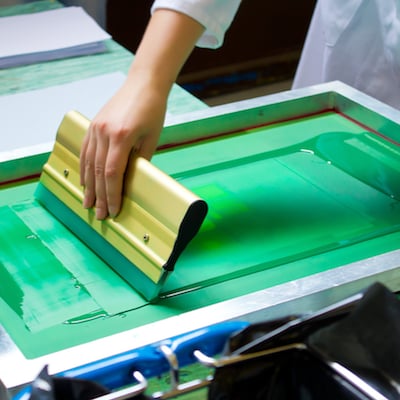
What is a screen-print?
- Show All
- Established
- Discoveries
- Show All
Artworks Related to Screen-print
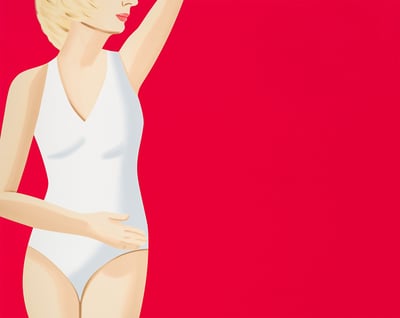
Alex Katz
Coca-Cola girl 4, 2019
Limited Edition Print
Screen-print
USD 20,000 - 25,000
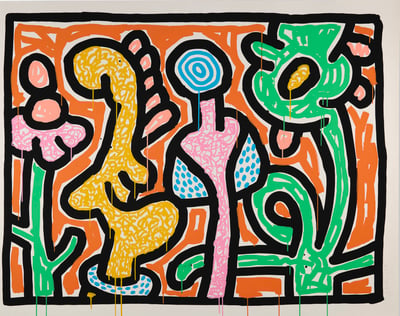
Keith Haring
Flowers IV, 1990
Limited Edition Print
Screen-print
USD 42,500

Andy Warhol
Sex Parts II.173, 1978
Limited Edition Print
Screen-print
USD 16,800

Andy Warhol
Flash - November 22, 1963, II.32, 1968
Limited Edition Print
Screen-print
USD 13,200

Andy Warhol
Muhammad Ali: Looking Down II.180, 1978
Limited Edition Print
Screen-print
USD 70,000 - 90,000
Andy Warhol
Private Listing
Limited Edition Print
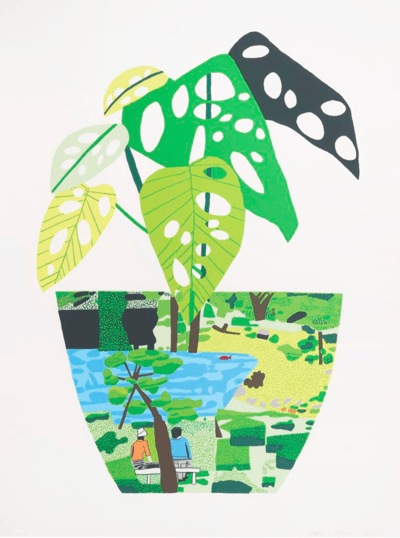
Jonas Wood
Landscape Pot with Plant, 2017
Limited Edition Print
Screen-print
USD 40,000 - 50,000

Alex Katz
Sarah, 2011
Limited Edition Print
Screen-print
USD 14,250

Kenny Scharf
Jade Pea God, 1989
Limited Edition Print
Screen-print
USD 3,750

Tom Wesselmann
Beautiful Bedroom Kate, 1998
Limited Edition Print
Screen-print
USD 18,000

Tom Wesselmann
Claire Sitting with Robe Half Off (Vivienne), 1993
Limited Edition Print
Screen-print
USD 12,500
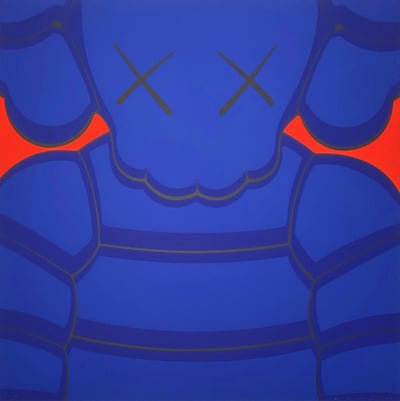
KAWS
What Party - Blue, 2020
Limited Edition Print
Screen-print
USD 25,000 - 30,000
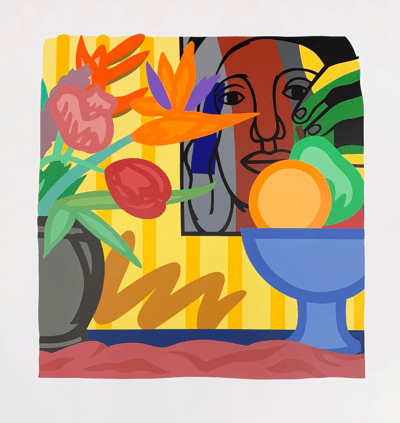
Tom Wesselmann
Mixed Bouquet with Leger, 1993
Limited Edition Print
Screen-print
USD 33,500
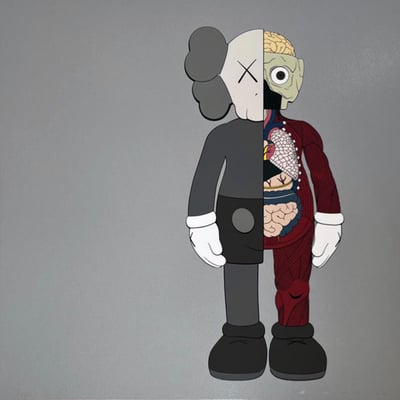
KAWS
Dissected Companion (Brown), 2006
Limited Edition Print
Screen-print
USD 30,000 - 40,000
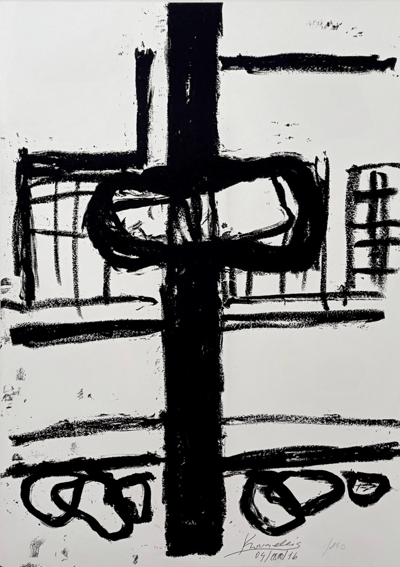
Jannis Kounellis
Opera in ricordo di Mauro Rostagno, 2000
Limited Edition Print
Screen-print
EUR 850
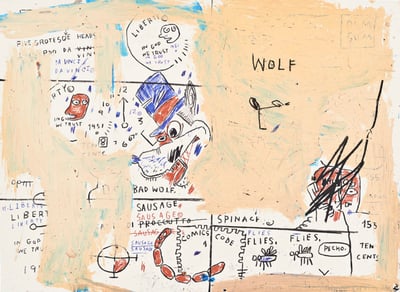
Jean-Michel Basquiat
Wolf Sausage, 1982-83/2019
Limited Edition Print
Screen-print
Inquire For Price
Related Articles
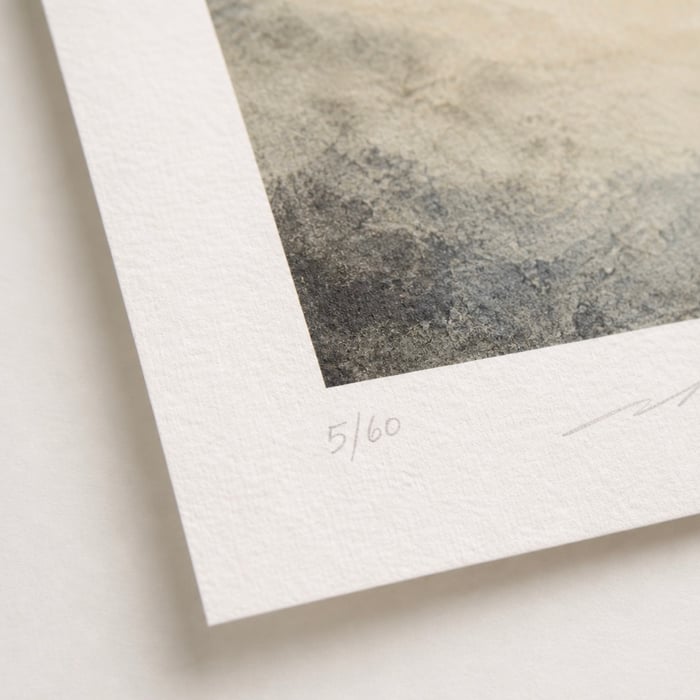


A laser print is created by using red, blue, and green lasers to expose photographic silver halide paper. After exposure, the paper is processed with photographic chemicals to produce an archival-quality print. This digital technology results in sharp images with highly uniform color and excellent detail.
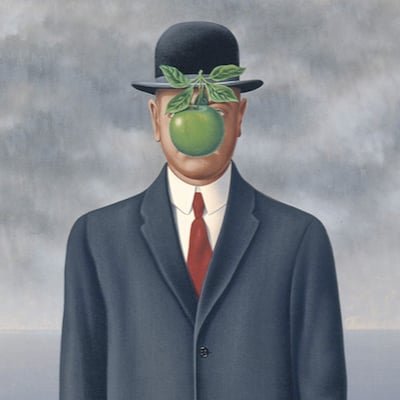
Surrealism began in the 1920s as an art and literary movement with the goal of revealing the unconscious mind and unleashing the imagination by exploring unusual and dream-like imagery. Influenced by Sigmund Freud’s theories of psychoanalysis, Surrealist artists and writers sought to bring the unconscious into rational life, blurring the lines between reality and dreams. The movement aimed to challenge conventional perceptions and express the irrational aspects of the human experience.

Systems Art refers to a group of artists who, during the late 1960s and early 1970s, used the frameworks of conceptualism and minimalism to create art that was responsive to its environment. Rejecting traditional art themes, they embraced aesthetic systems and experimented with diverse media. Systems Art often connected with contemporary political movements of the time, emphasizing the interrelationship between the artwork, its context, and the broader social and political environment.
Can't find your Answer?
Thank you! Your question has been sent — we'll get back to you shortly.
