

What is a screen-print?
- Show All
- Established
- Discoveries
- Show All
Artworks Related to Screen-print

Alex Katz
Susan, 1976
Limited Edition Print
Screen-print
USD 8,950
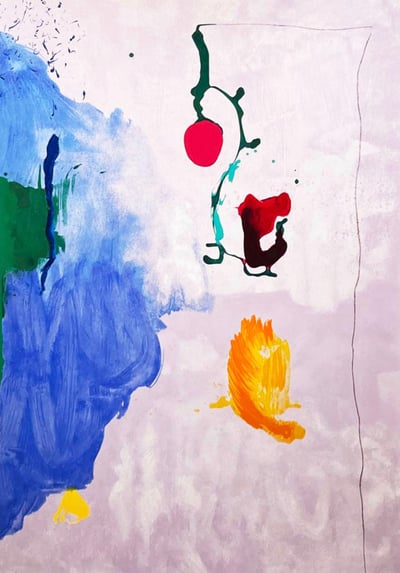
Helen Frankenthaler
Eve, 1995
Limited Edition Print
Screen-print
Currently Not Available
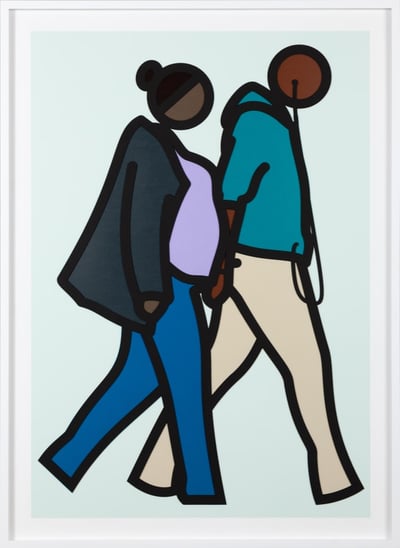
Julian Opie
New York Couple 6, 2019
Limited Edition Print
Screen-print
USD 17,800
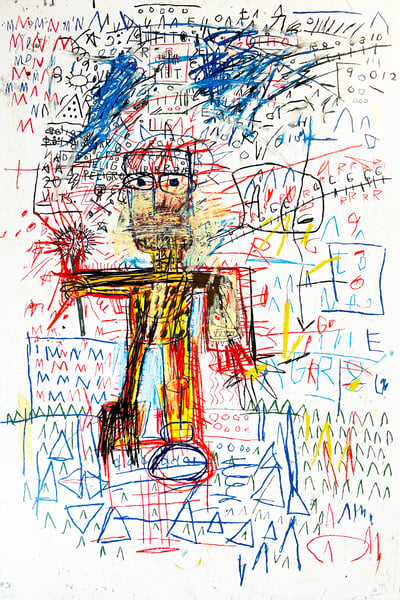
Jean-Michel Basquiat
Untitled IV from The Figures Portfolio, 1982/2023
Limited Edition Print
Screen-print
USD 50,000 - 60,000
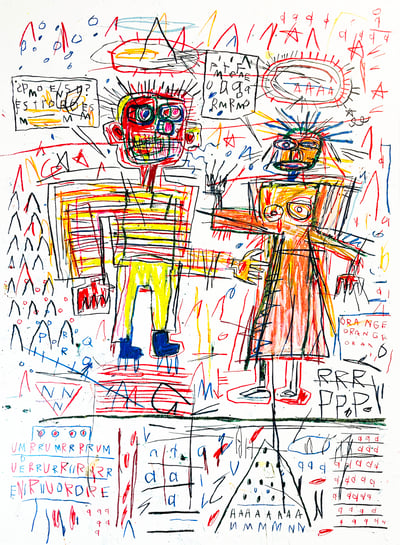
Jean-Michel Basquiat
Untitled III from The Figures Portfolio, 1982/2023
Limited Edition Print
Screen-print
USD 50,000 - 60,000
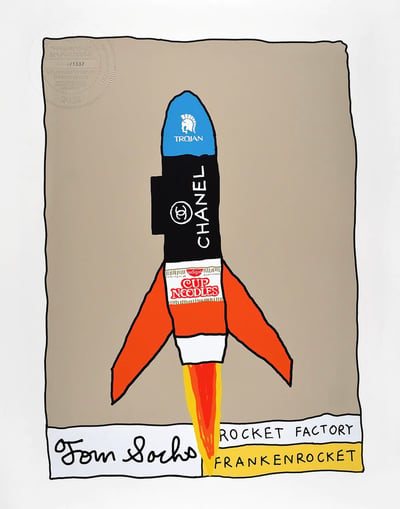
Tom Sachs
Too darn hot, 2022
Limited Edition Print
Screen-print
EUR 2,300

Carmen Herrera
Rojo y Negro (Red and Black), 1993
Limited Edition Print
Screen-print
GBP 5,400
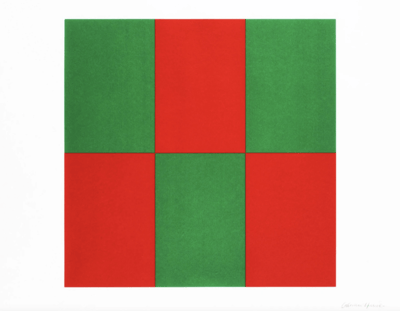
Carmen Herrera
Verde y Rojo, 2019
Limited Edition Print
Screen-print
Inquire For Price

Takashi Murakami
Making a U-Turn, The Lost Child Finds His Way Home, 2004
Limited Edition Print
Screen-print
GBP 14,800

Miles Aldridge
Doors #5, 2023
Limited Edition Print
Screen-print
Currently Not Available

Miles Aldridge
Doors #4, 2023
Limited Edition Print
Screen-print
EUR 7,000

Miles Aldridge
Doors #2, 2023
Limited Edition Print
Screen-print
EUR 7,000

Miles Aldridge
Doors #1, 2023
Limited Edition Print
Screen-print
Currently Not Available

Andy Warhol
Lincoln Centre Ticket, 1967
Limited Edition Print
Screen-print
GBP 12,500

Andy Warhol
Speed Skater (FS II.303) (from Art and Sports Portfolio), 1983
Limited Edition Print
Screen-print
GBP 50,000 - 60,000

David Shrigley
Be Nice, 2017
Limited Edition Print
Screen-print
GBP 10,000 - 12,000
Related Articles
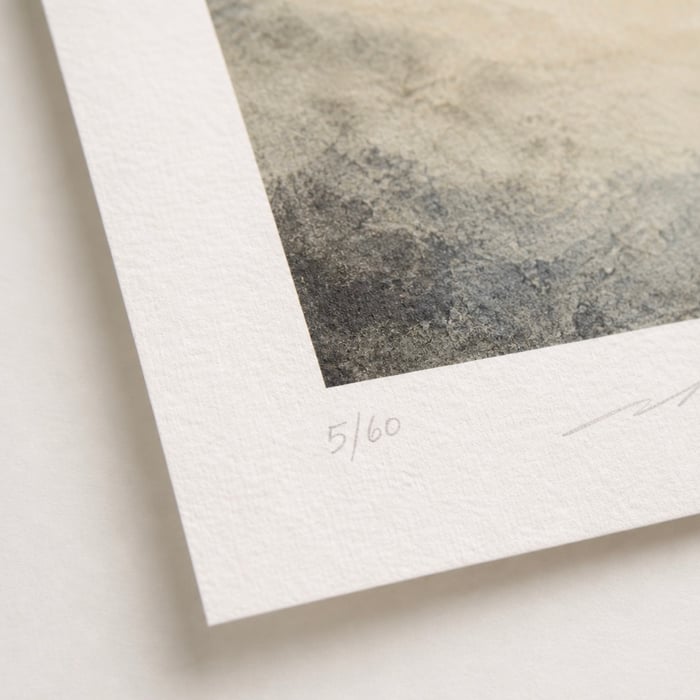


The New Leipzig School is a movement in modern German painting that represents the third generation of artists associated with the Hochschule für Grafik und Buchkunst Leipzig. This movement reflects the post-reunification landscape of Germany. Unlike the first generation of Leipzig painters, the third generation does not have clear, defined characteristics or messages. Instead, their work blends figurative and abstract elements, placing a strong emphasis on creativity and experimentation.

Multiples refer to a series of identical art objects produced in limited editions according to the artist's concept. These works are specifically created for sale and are often considered the most affordable and accessible form of contemporary art. What sets multiples apart is their lack of uniqueness, which is typically seen as essential in traditional artworks. Instead, they offer value and enjoyment while making contemporary art more widely available.
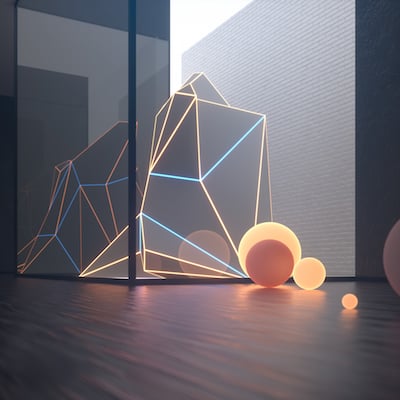
Installation art is a three-dimensional artistic genre that involves site-specific works designed to alter the viewer's perception of space. These works are typically created for interior spaces, such as museums and galleries, but can also be found in private and public locations. Installation art can be temporary or permanent, depending on its purpose and setting.
Can't find your Answer?
Thank you! Your question has been sent — we'll get back to you shortly.
