
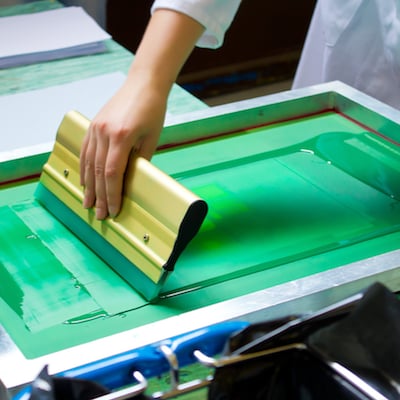
What is a screen-print?
- Show All
- Established
- Discoveries
- Show All
Artworks Related to Screen-print

David Shrigley
Untitled (Fast Train To Shitsville), 2021
Limited Edition Print
Screen-print
GBP 3,000 - 5,000

Shepard Fairey
Enhanced Disintegration (Pink), 2019
Limited Edition Print
Screen-print
GBP 1,000

Mr. Brainwash
Mondrian, 2019
Limited Edition Print
Screen-print
Currently Not Available

Invader
Alert (Gray), 2021
Limited Edition Print
Screen-print
GBP 5,400

Alex Katz
Coca-Cola Girl 8, 2019
Limited Edition Print
Screen-print
USD 14,500

Victor Vasarely
Hommage a Bartók, 1981
Limited Edition Print
Screen-print
EUR 1,500

David Shrigley
Untitled (Old Dog), 2021
Limited Edition Print
Screen-print
GBP 5,000 - 8,000

Heinz Mack
Terzett (against black), 2021
Limited Edition Print
Screen-print
Currently Not Available

Sigmar Polke
Tisch mit umgekippter Kanne I, 1970
Limited Edition Print
Screen-print
Currently Not Available
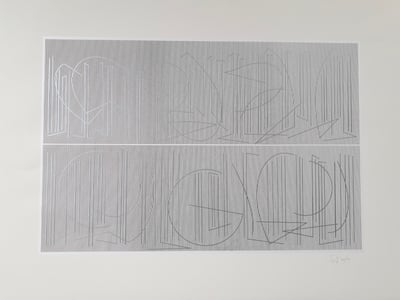
Rafael Jesus Soto
Untitled (Silver Lines)
Limited Edition Print
Screen-print
GBP 2,800

Joseph Kosuth
Titled Quotation (for L.C.), 1997
Limited Edition Print
Screen-print
Currently Not Available
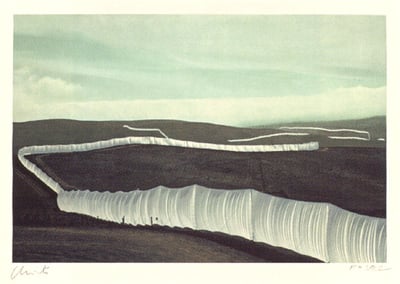
Javacheff Christo
Running Fence, California, 1976
Photography
Screen-print
EUR 3,900

Donald Sultan
Untitled IX, 2008
Limited Edition Print
Screen-print
Inquire For Price
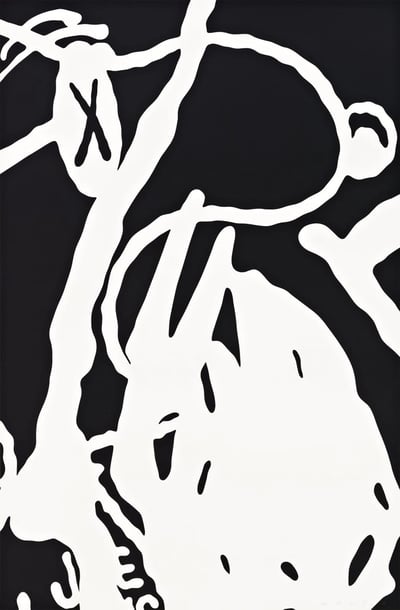
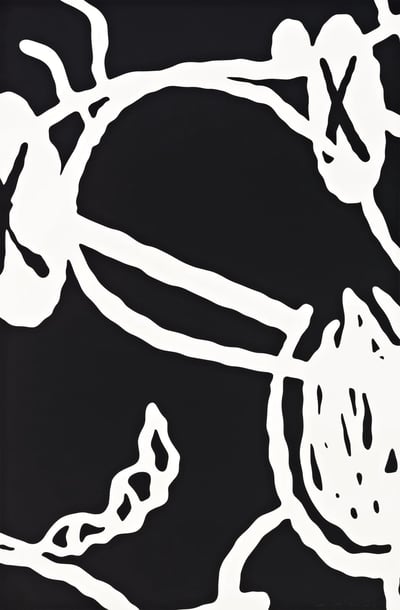
KAWS
Man's Best Friend #9, 2016
Limited Edition Print
Screen-print
GBP 8,990
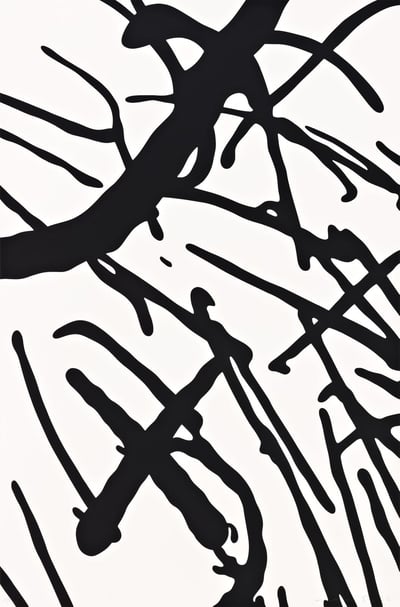
KAWS
Man's Best Friend #7, 2016
Limited Edition Print
Screen-print
GBP 8,990
KAWS
Man's Best Friend #6, 2016
Limited Edition Print
Screen-print
GBP 8,990
Related Articles
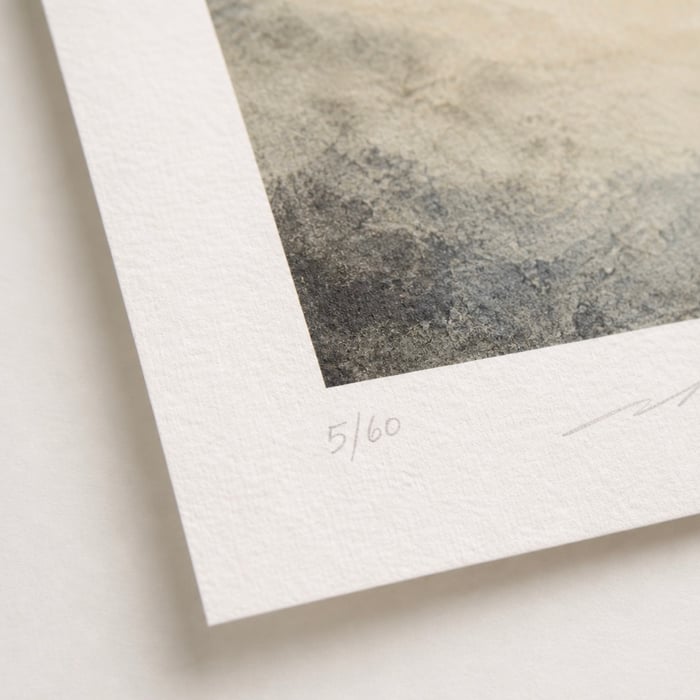



Mezzotint is a printmaking technique in which a copper or steel plate is roughened to produce a solid black print. The artist smooths specific areas of the plate to create a range of tones, from deep blacks to delicate grays and whites. By varying the degree of smoothing, the artist can achieve detailed gradations of light and shadow, resulting in prints with rich, velvety textures and subtle transitions between light and dark.

The Light and Space Movement refers to loosely affiliated art movements connected to minimalism, geometric abstraction, and op art that originated in Southern California in the 1960s. Greatly influenced by artist John McLaughlin, these artists focused on sensory phenomena such as light, perception, and space as central elements of their work. They also incorporated cutting-edge technologies from the aerospace and engineering industries to develop light-filled and sensuous objects, creating immersive experiences that emphasize the viewer's perception.

Found objects (or objet trouvé in French) are everyday items that an artist finds and incorporates into a work of art. While collectors have displayed aesthetically pleasing objects for centuries, modern art often uses objects that originally had non-artistic functions, such as recycled or repurposed materials.
Can't find your Answer?
Thank you! Your question has been sent — we'll get back to you shortly.
