
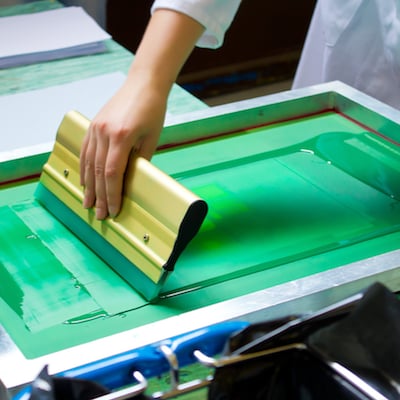
What is a screen-print?
- Show All
- Established
- Discoveries
- Show All
Artworks Related to Screen-print
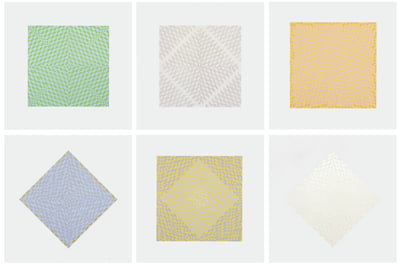
Anni Albers
DO. I - VI, 1973
Limited Edition Print
Screen-print
Currently Not Available

David Shrigley
Be Kind To Everyone, 2021
Limited Edition Print
Screen-print
GBP 4,000 - 6,000
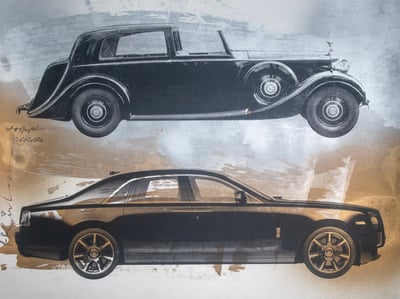
Mr. Brainwash
Rolls Royce, 2017
Limited Edition Print
Screen-print
Inquire For Price

David Shrigley
Black Cats, 2021
Limited Edition Print
Screen-print
GBP 3,000

Jim Dine
Tool Box II, 1966
Limited Edition Print
Screen-print
USD 1,350
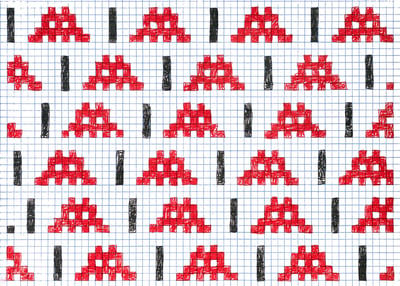
Invader
Homeworks, 2006
Limited Edition Print
Screen-print
USD 34,700

Donald Sultan
Wall flower 8, 2008
Limited Edition Print
Screen-print
USD 2,000

Donald Sultan
Wall flower 7, 2008
Limited Edition Print
Screen-print
USD 2,000

Donald Sultan
Wall flower 4, 2008
Limited Edition Print
Screen-print
USD 2,000

Donald Sultan
Wall flower 3, 2008
Limited Edition Print
Screen-print
USD 2,000
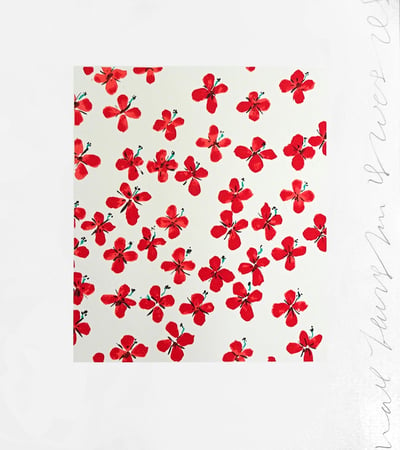
Donald Sultan
Wall flower 2, 2008
Limited Edition Print
Screen-print
USD 2,000
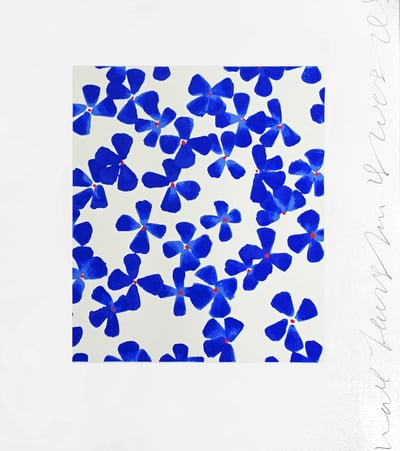
Donald Sultan
Wall flower 1, 2008
Limited Edition Print
Screen-print
USD 2,000

Robert Indiana
Metamorphosis of Norma Jean, 1998
Limited Edition Print
Screen-print
USD 10,150
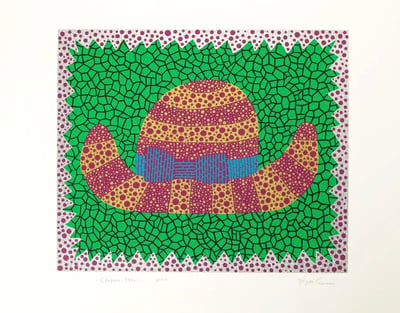
Yayoi Kusama
Chapeau (II), 2000
Limited Edition Print
Screen-print
GBP 28,000 - 40,000
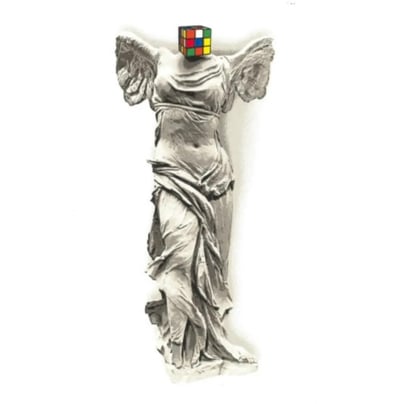
Mr. Brainwash
Rubik's Victory, 2020
Limited Edition Print
Screen-print
USD 1,200

Frank Stella
Double grey scramble (AXSOM 93), 1973
Limited Edition Print
Screen-print
Currently Not Available
Related Articles


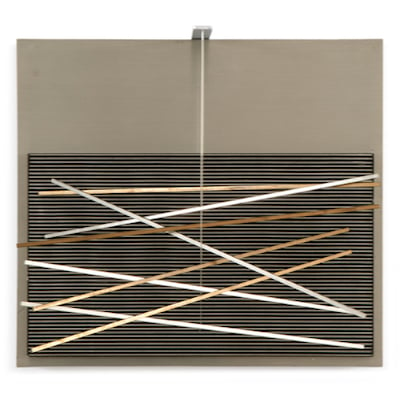
Kinetic art is an international movement that emerged in the 1920s and gained prominence in the 1960s, referring to art that involves both apparent and real motion. It encompasses any medium that includes movement, either relying on actual motion for its effect or being perceived as moving by the viewer. Early examples include canvas paintings designed to create optical illusions of movement. Today, kinetic art often refers to three-dimensional figures and sculptures, such as those operated by machines or those that move naturally. The movement covers a variety of styles and techniques that frequently overlap.
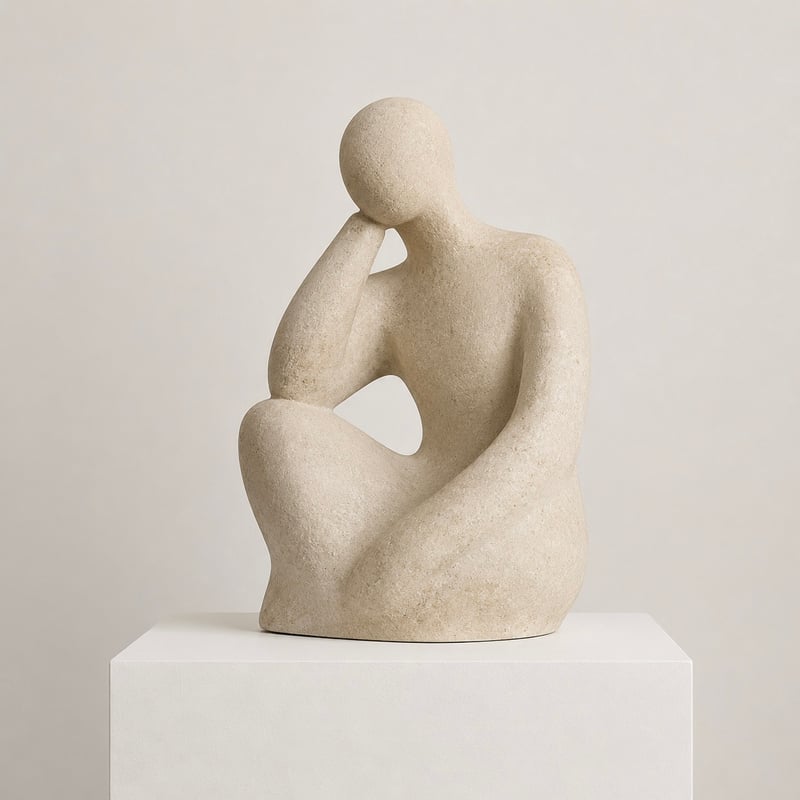
A sculpture is a three-dimension object made using any one of the basic sculpting processes. These include carving, casting, constructing or modeling. Carving materials may be bone, ivory, stone or wood. Modeling and casting use clay or wax, while constructions glue materials together.
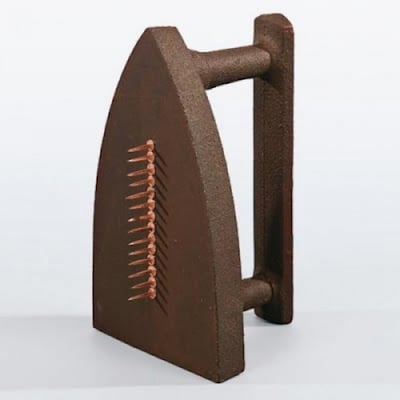
Readymade is the term coined by French artist Marcel Duchamp to describe artworks created from manufactured objects. Duchamp selected ordinary, functional items that he felt had visual indifference, turning them into art simply by choosing and presenting them in a new context. This concept challenged traditional notions of art and continues to influence artists who adopt similar approaches today.
Can't find your Answer?
Thank you! Your question has been sent — we'll get back to you shortly.
