
What is abstract expressionism?
- Show All
- Established
- Discoveries
- Show All
Artworks Related to Abstract expressionism

Donald Sultan
Playing Card (Three of Diamonds), 1990
Limited Edition Print
Aquatint
USD 1,450

Robert Rauschenberg
Tribute 21: Art, 1994
Limited Edition Print
Lithograph
USD 4,950

Robert Rauschenberg
Tibetan Keys (Rectangle), 1987
Sculpture / Object
Mixed Media
USD 14,250

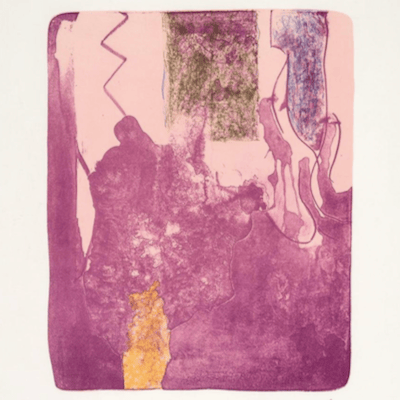
Robert Motherwell
Untitled (Gesture #6), 1976
Limited Edition Print
Etching
USD 11,900

Robert Rauschenberg
Tibetan Keys (Double Bevel), 1987
Sculpture / Object
Mixed Media
USD 16,500

Robert Rauschenberg
Tribute 21: Labor, 1994
Limited Edition Print
Lithograph
USD 6,750
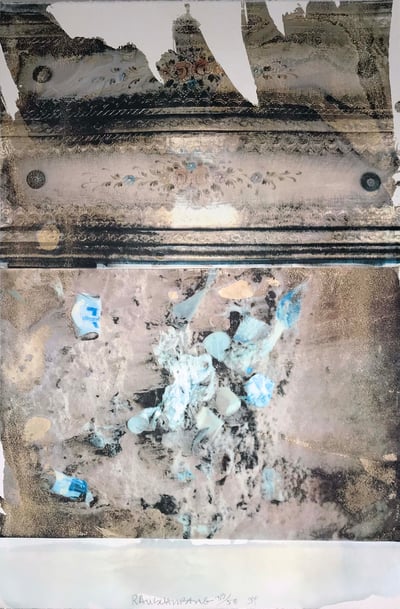
Robert Rauschenberg
Tribute 21: Cinema, 1994
Limited Edition Print
Lithograph
USD 4,950

Robert Rauschenberg
Relic (Speculations), 1997
Limited Edition Print
Screen-print
USD 11,900

Robert Rauschenberg
Site, 2000
Limited Edition Print
Lithograph
USD 6,750

Robert Rauschenberg
Tibetan Keys (Bevel), 1987
Sculpture / Object
Mixed Media
USD 14,250

Robert Rauschenberg
Daydream (Speculations), 1997
Limited Edition Print
Screen-print
USD 12,950

Robert Rauschenberg
Tribute 21: Education, 1994
Limited Edition Print
Lithograph
USD 4,950
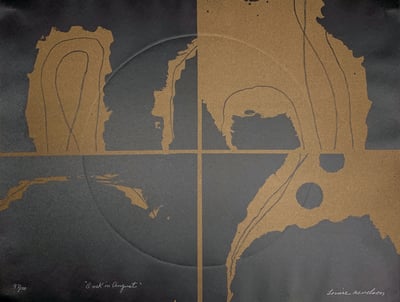
Louise Nevelson
Dusk in August from Portfolio 9, 1967
Limited Edition Print
Lithograph
USD 1,950
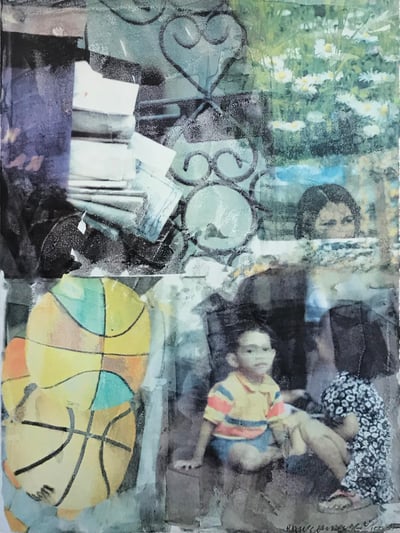
Robert Rauschenberg
Untitled (Doctor's of the world), 1997
Limited Edition Print
Lithograph
USD 6,750

Robert Rauschenberg
Rays, 1973
Limited Edition Print
Lithograph
USD 9,950

Robert Rauschenberg
Fence, 1992
Limited Edition Print
Lithograph
USD 9,250
Related Articles

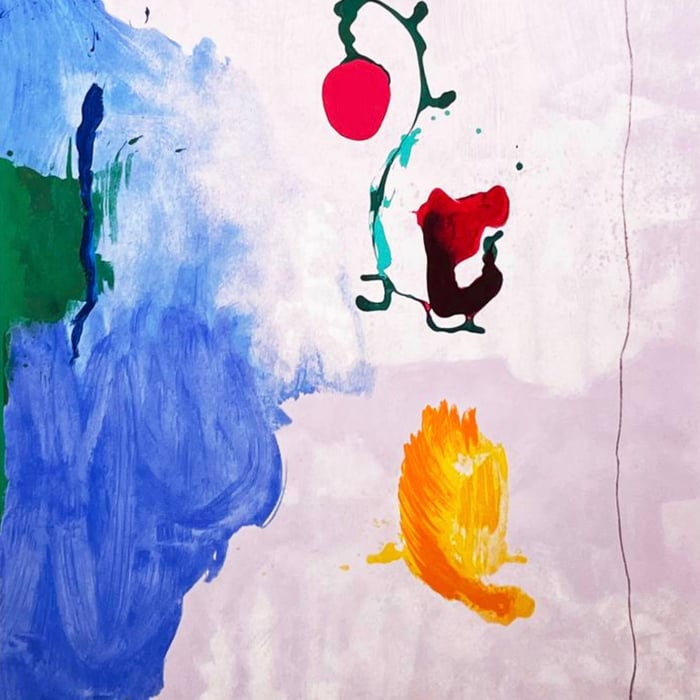
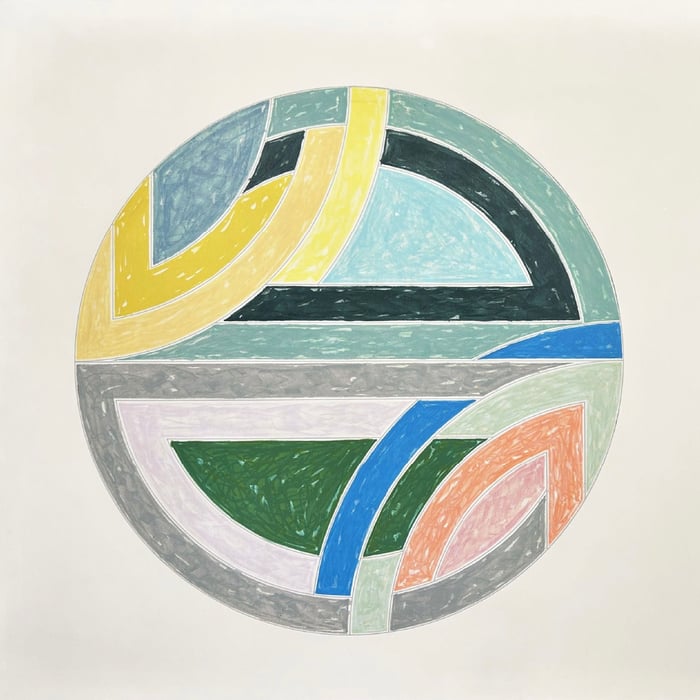

Calligraphy is a visual art closely related to writing, involving the creation of decorative lettering or handwriting using a brush or pen. Contemporary calligraphy is the art of giving form to letters and symbols in a harmonious, expressive, and skillful manner. It ranges from functional designs and inscriptions to fine art pieces where the letters may be readable or abstract.
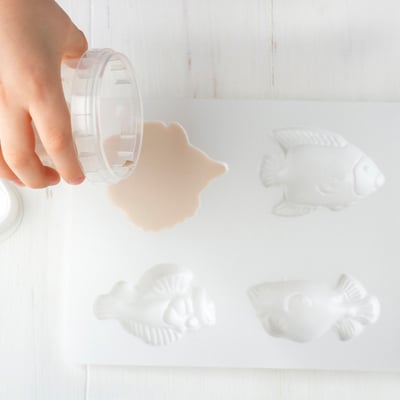
A cast is a form created by pouring a liquid material, such as plastic, plaster, acrylic, concrete, or mixed media, into a mold. Once the liquid cools and fully solidifies, the cast is removed from the mold, revealing the final shape. This process is widely used in sculpture, manufacturing, and various forms of art to replicate intricate designs and shapes.

ZERO was an art movement founded by Otto Piene and Heinz Mack, aiming to develop into a large international and cross-border movement. The name ZERO originated from a magazine founded by Heinz Mack in 1957, which became a platform for the group's ideas. The magazine was published for several years before ceasing in 1967. The ZERO movement sought to create a new beginning in art, emphasizing light, space, and movement, and became influential in post-war European art.
Can't find your Answer?
Thank you! Your question has been sent — we'll get back to you shortly.
