
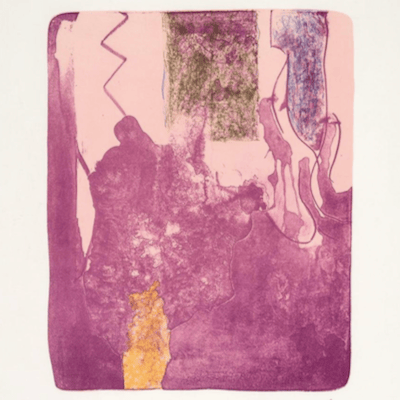
What is abstract expressionism?
- Show All
- Established
- Discoveries
- Show All
Artworks Related to Abstract expressionism

Robert Rauschenberg
One More & We Will Be More Than Halfway There, 1979
Limited Edition Print
Screen-print
USD 4,350
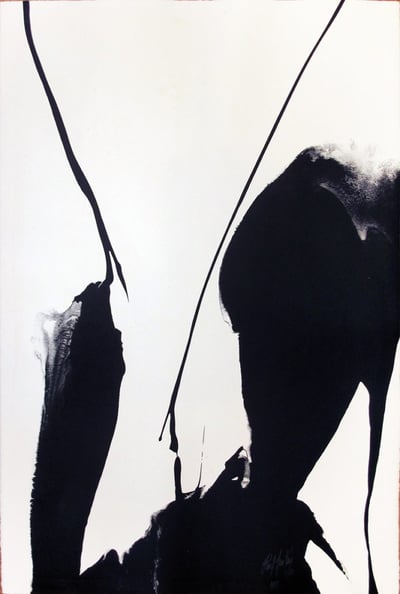
Paul Jenkins
Untitled (Black Strokes), 1971
Limited Edition Print
Lithograph
USD 1,580

Jasper Johns
Untitled (Fragmented Frame), 1992
Limited Edition Print
Lithograph
USD 10,700
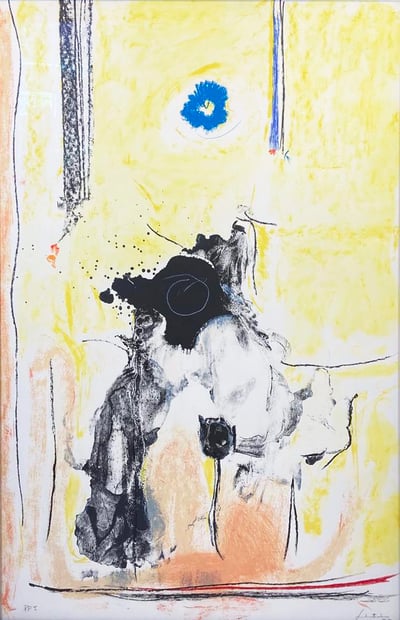
Helen Frankenthaler
Madame de Pompadour, 1985
Limited Edition Print
Lithograph
USD 14,250
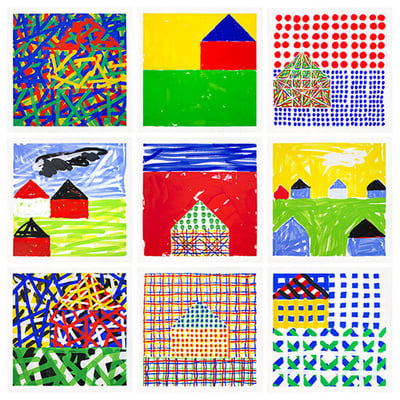
Jennifer Bartlett
House II (Suite of 9), 2014
Limited Edition Print
Serigraph
USD 18,000 - 25,000

Jennifer Bartlett
House II #7, 2014-2015
Limited Edition Print
Screen-print
USD 3,900

Jennifer Bartlett
House II #6, 2014-2015
Limited Edition Print
Screen-print
Currently Not Available
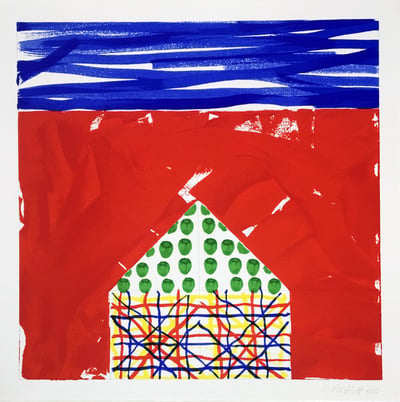
Jennifer Bartlett
House II #5, 2014-2015
Limited Edition Print
Screen-print
USD 5,200
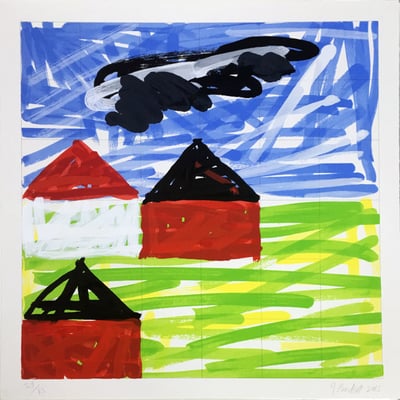
Jennifer Bartlett
House II #4, 2014-2015
Limited Edition Print
Screen-print
USD 5,200
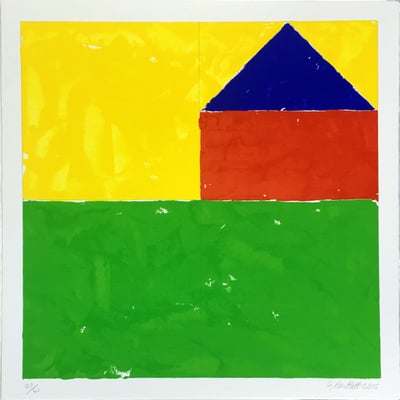
Jennifer Bartlett
House II #2, 2014-2015
Limited Edition Print
Screen-print
USD 5,200

Robert Rauschenberg
Page III, 1974
Limited Edition Print
Mixed Media
Inquire For Price
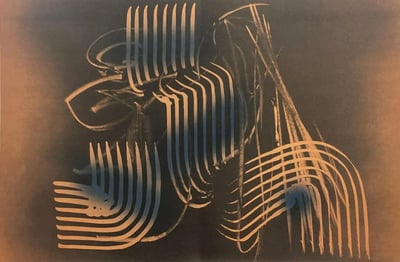
Hans Hartung
Lithograph V from Farandole, 1971
Limited Edition Print
Lithograph
USD 1,280
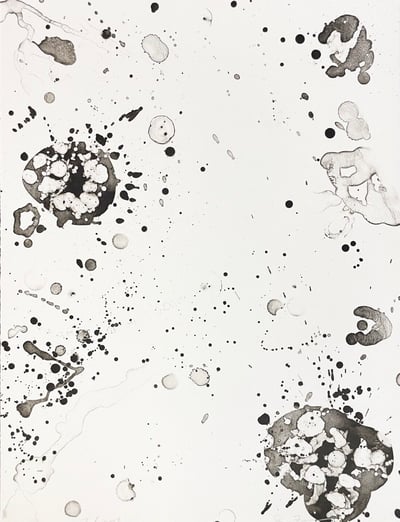
Sam Francis
Spring Solution, 1972
Limited Edition Print
Lithograph
Inquire For Price
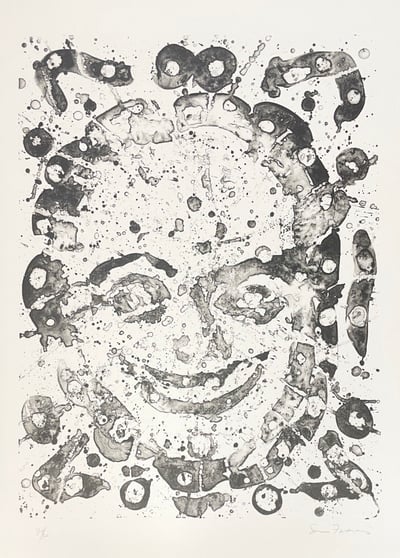
Sam Francis
Self Portrait (SF-051), 1976
Limited Edition Print
Lithograph
Inquire For Price
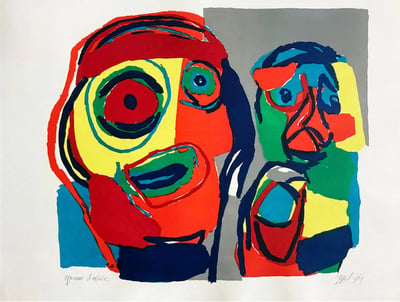
Karel Appel
Serie Personages, 1969
Limited Edition Print
Lithograph
USD 780
Frank Stella
Private Listing
Sculpture / Object
Related Articles

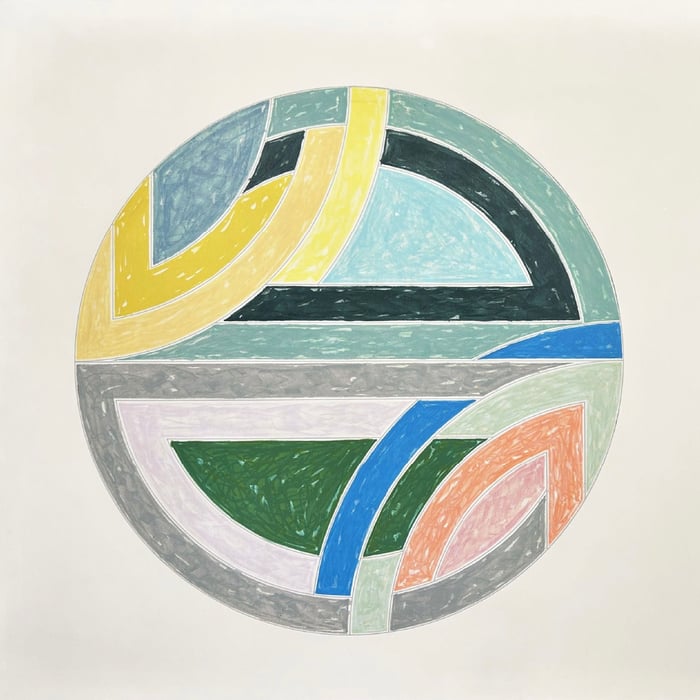

Hypermodernism is a cultural and artistic movement that emerged in the late 20th and early 21st centuries, characterized by an intense embrace of technology and a focus on speed, complexity, and the future. This movement often challenges traditional modernist values by emphasizing hyper-reality, where the boundaries between reality and virtuality blur. Hypermodernism is evident in architecture, design, and visual arts, where artists and creators use advanced digital tools and futuristic aesthetics to explore themes of globalization, identity, and the impact of technology on society.
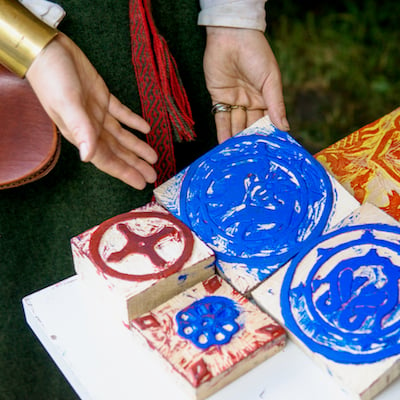
Woodcut is a printing technique where an image is carved into the surface of a woodblock using gouges, with the remaining flat surface holding the ink for printing. The areas cut away by the artist do not carry ink, while the uncut areas do, producing the desired print. The carving follows the wood's grain, unlike wood engraving, where the block is cut across the end-grain. Ink is applied to the surface with a roller, ensuring only the flat, uncarved areas receive ink, leaving the recessed, non-printing areas clean.

Intaglio is a printmaking technique where a design is incised below the surface of a metal or stone plate. Ink is applied to the plate, filling the incised lines or depressions, while the surface is wiped clean. The ink in the depressions is then transferred to paper using an etching press. Common intaglio techniques include engraving, etching, and drypoint.
Can't find your Answer?
Thank you! Your question has been sent — we'll get back to you shortly.
