
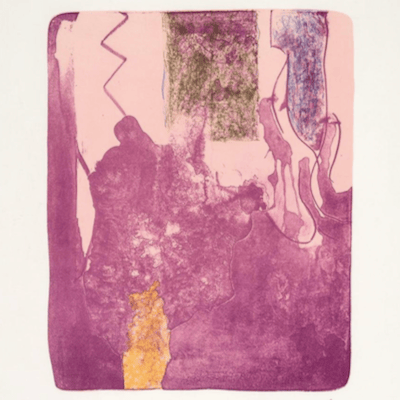
What is abstract expressionism?
- Show All
- Established
- Discoveries
- Show All
Artworks Related to Abstract expressionism

Karel Appel
About a Cat, 1979
Limited Edition Print
Lithograph
USD 750
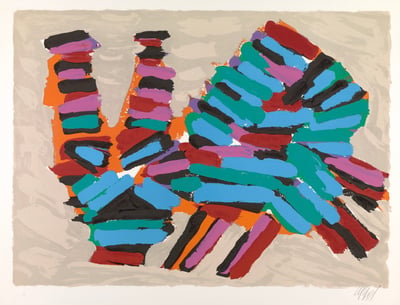
Karel Appel
Frightened Cat, 1979
Limited Edition Print
Lithograph
USD 750
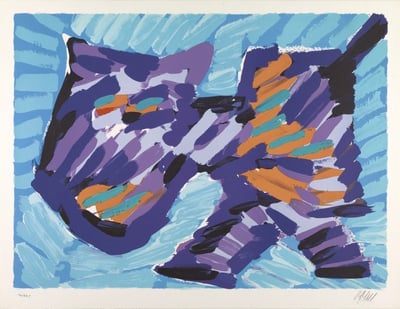
Karel Appel
Walking Cat, 1979
Limited Edition Print
Lithograph
USD 750
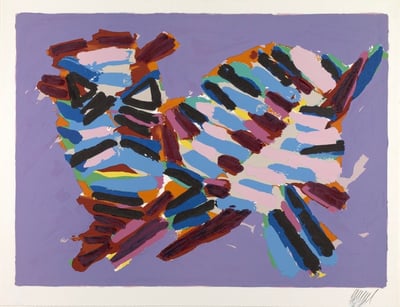
Karel Appel
Innocent Cat, 1979
Limited Edition Print
Lithograph
USD 750
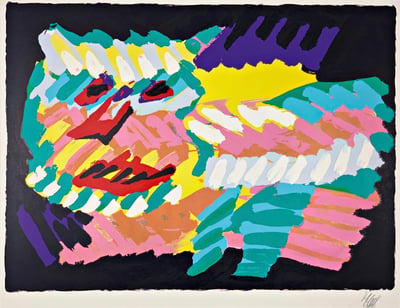
Karel Appel
Pink Cat, 1979
Limited Edition Print
Lithograph
USD 750

Roberto Matta
Coigitum, 1975
Limited Edition Print
Etching and Aquatint
USD 750

Robert Motherwell
The Paris Review, 1965
Limited Edition Print
Screen-print
USD 2,350
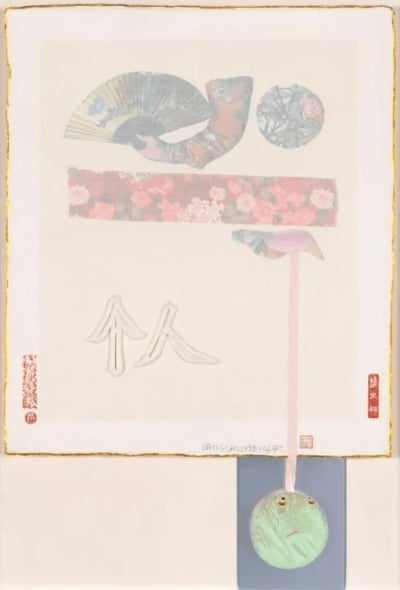
Robert Rauschenberg
Individual, 1982
Limited Edition Print
Collage
USD 8,500
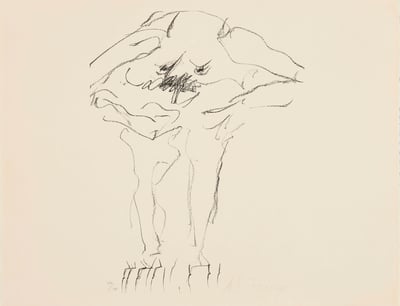
Willem de Kooning
Clam Digger, 1966
Limited Edition Print
Lithograph
USD 3,950

Roberto Matta
Untitled X, 1962
Limited Edition Print
Lithograph
Inquire For Price
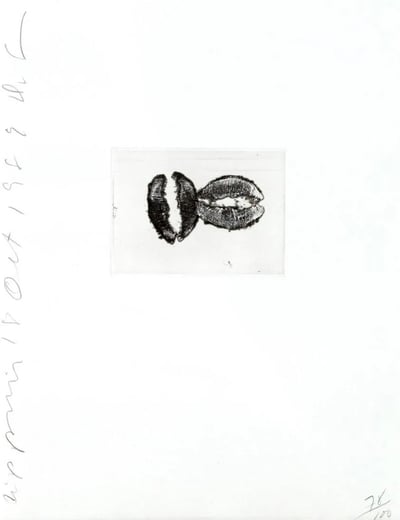
Donald Sultan
Lip Print II, 1989
Limited Edition Print
Aquatint
Inquire For Price

Roberto Matta
Untitled XIV, 1962
Limited Edition Print
Lithograph
USD 1,250

Robert Motherwell
Nocturne II (from Octavio Paz suit), 1988
Limited Edition Print
Lithograph
USD 2,990

Jordi Alcaraz
Formes d’escriure (I), 2022
Limited Edition Print
Mixed Media
Currently Not Available

Donald Sultan
Wall flower 8, 2008
Limited Edition Print
Screen-print
USD 2,000

Donald Sultan
Wall flower 7, 2008
Limited Edition Print
Screen-print
USD 2,000
Related Articles


Bronze is a metal alloy made primarily of copper and tin, with a typical modern composition of 88% copper and 12% tin. Over time, bronze develops a patina, a surface color that often turns deep green due to oxidation. Large bronze objects, such as sculptures, are typically made in foundries. Bronze is valued for its durability and has been widely used throughout history for art, tools, and weapons.

Décollage is an art technique involving the removal, cutting, or tearing away of parts of an original image. The term comes from the French word meaning to take off or to unstick. Artists use this method to challenge or replace existing values, often symbolically tearing away influences from media or conventional thinking.

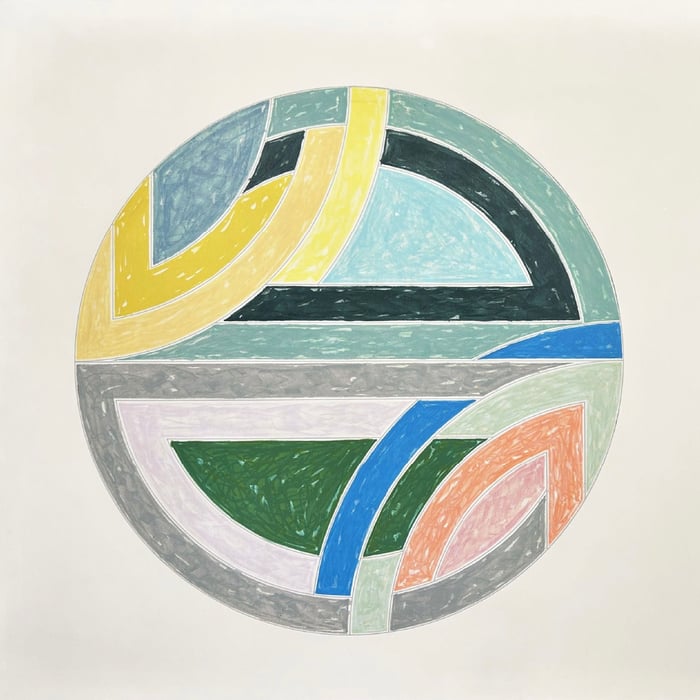
Geometric abstraction is a form of abstract art that uses geometric shapes arranged in a non-illusionistic space (though not always) and combined into non-representational (non-objective) compositions. Based on years of artistic research, some artists have proposed that geometric abstraction offers a solution to modern challenges by rejecting traditional illusionistic practices in favor of clarity and simplicity.
Can't find your Answer?
Thank you! Your question has been sent — we'll get back to you shortly.
