
What is abstract expressionism?
- Show All
- Established
- Discoveries
- Show All
Artworks Related to Abstract expressionism

Karel Appel
Lying in Red, 1979
Limited Edition Print
Mixed Media
USD 1,400

Kenneth Noland
Untitled (Target), 2004
Limited Edition Print
Lithograph
Currently Not Available
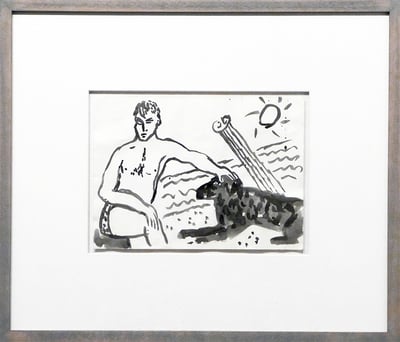
Miquel Barceló
Sin título, 1984
Drawing / Watercolor
Ink
Inquire For Price

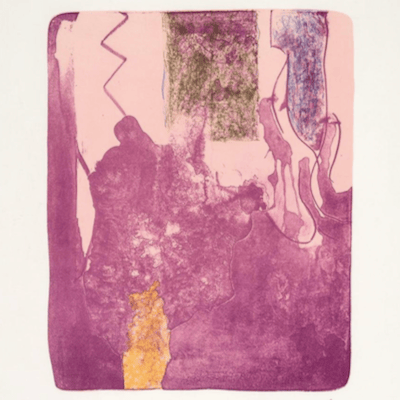
Al Held
Pradorama, 1991
Limited Edition Print
Lithograph
EUR 4,200

Karel Appel
Deux Personnages, 1978
Limited Edition Print
Mixed Media
USD 1,570
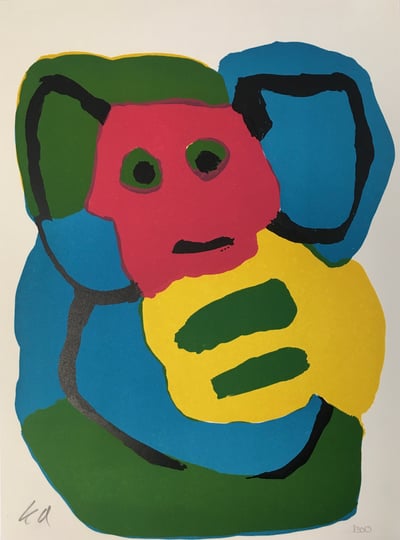
Karel Appel
The Bear
Limited Edition Print
Lithograph
USD 775
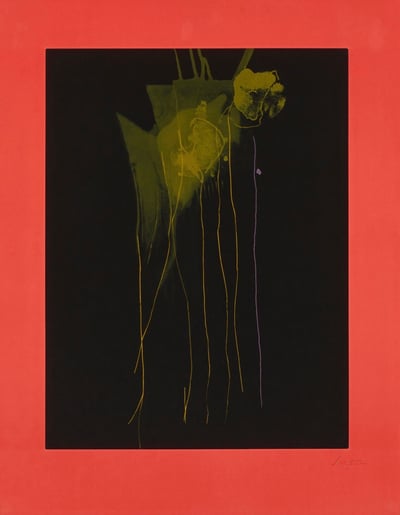
Helen Frankenthaler
Ramblas, 1987-1988
Limited Edition Print
Mixed Media
USD 9,600

Walasse Ting
Conversation, 1985
Limited Edition Print
Lithograph
EUR 990
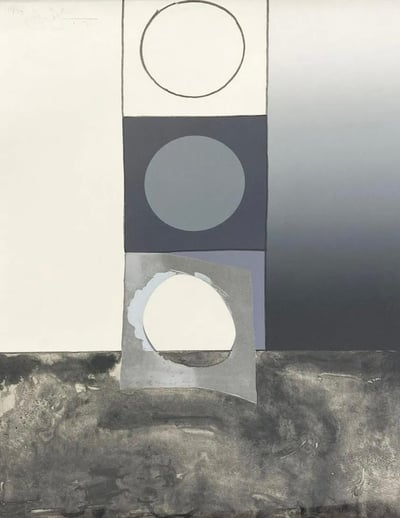
Jasper Johns
Bent Stencil, 1971
Limited Edition Print
Lithograph
USD 7,650

Robert Rauschenberg
Best Buddies, 1992
Limited Edition Print
Screen-print
USD 3,060

Robert Motherwell
Untitled 23, 1988
Limited Edition Print
Lithograph
USD 1,390
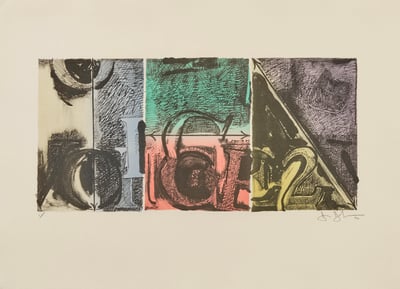
Jasper Johns
Voice 2, 1982
Limited Edition Print
Lithograph
USD 7,670

Donald Sultan
Untitled (from Visual Poetics), 1998
Limited Edition Print
Serigraph
Inquire For Price
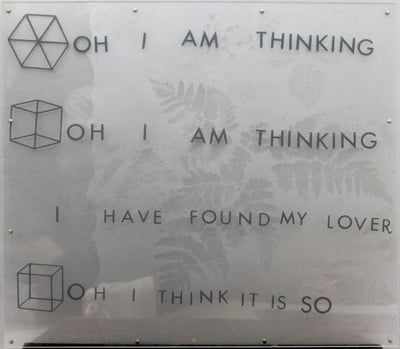
Robert Rauschenberg
Opal Gospel Panel II, 1971
Limited Edition Print
Screen-print
USD 1,650

Robert Rauschenberg
Opal Gospel Panel V, 1971
Limited Edition Print
Screen-print
Inquire For Price

Willem de Kooning
Composition for lisa, 1984
Limited Edition Print
Lithograph
USD 10,000
Related Articles

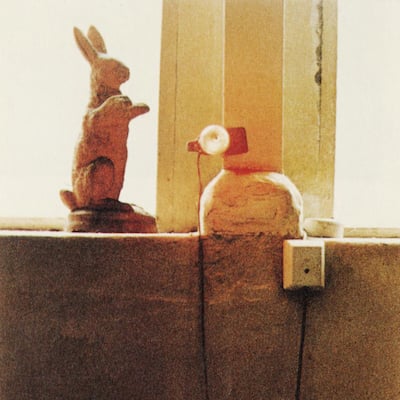
Derived from the Latin word meaning flow, Fluxus is an international movement of designers, composers, and artists known for blending various artistic disciplines and media during the 1960s. The movement remains active in visual art, performance, design, architecture, urban planning, and other creative fields. Fluxus is sometimes referred to as nter-media and continues to play a pivotal role in expanding the definitions of what art can be.

Acrylic paint is a fast-drying paint made from pigment suspended in an acrylic polymer emulsion. It is water-soluble when wet but becomes water-resistant once dry. Acrylic paints offer unique characteristics that are not easily achieved with other media, allowing for effects similar to both oil and watercolor paintings while providing their own distinct qualities.

Recto and verso are terms used to describe the right and left pages of an open book, or the front and back of a sheet of paper. In both cases, recto refers to the right-hand page or the front of the paper, while verso refers to the left-hand page or the back of the paper. These terms are commonly used in bookbinding, printmaking, and art to distinguish between the two sides of a sheet.
Can't find your Answer?
Thank you! Your question has been sent — we'll get back to you shortly.
